THE ADVENTURE COLLECTIVE® · Independent discovery and booking for outdoor travel

Head to Gansbaai for high-probability great white encounters in Walker Bay. This concise guide covers what to expect on a 2–4 hour cage dive, safety basics, and seasonal tips to plan your trip.
Head to Gansbaai for high-probability great white encounters in Walker Bay. This concise guide covers what to expect on a 2–4 hour cage dive, safety basics, and seasonal tips to plan your trip.
Salt spray stings the face as the boat pushes off from Kleinbaai, the low headland sliding away and Walker Bay opening like a moving horizon. In minutes the crew are setting lines, the steel cage humming against the hull while guides run a calm, methodical briefing — the ritual before the sea decides its part.
Verified experiences and guided adventures in the surrounding area.
Operated by Joel · Gansbaai, Western Cape
Salt spray stings the face as the boat pushes off from Kleinbaai, the low headland sliding away and Walker Bay opening like a moving horizon. In minutes the crew are setting lines, the steel cage humming against the hull while guides run a calm, methodical briefing — the ritual before the sea decides its part.
Gansbaai sits on the southern edge of the Cape coast where cool Atlantic upwellings meet shallow shoals, creating a feeding ground that has drawn great white sharks for generations. The area’s maritime history stretches from fishing and whaling to modern conservation efforts; Dyer Island and nearby seal colonies are both ecological magnets and historical markers of changing local economies.
Geology here is coastal sandstone and submerged reefs, currents that can flip a quiet surface into boiling swells. Local culture blends small-town fishing life with seasoned ocean guides who read weather, tide and shark behavior the way farmers read soil.
Practically: the whole outing is typically 2–4 hours, including briefing, transit, gear-up and cage time. Depths are shallow — cages sit around 3–5 meters below the surface — but conditions can be rough; basic swimming ability and comfort on a boat help. Operators supply wetsuits, masks, snorkels, weight belts and a sturdy cage; photos are often available for purchase.
Respect the rhythm of the sea, follow crew instructions exactly, and plan for boat motion and wind chill. Whether you stay dry and watch from the deck or hang in the cage, Gansbaai’s waters offer a clear, uncompromising encounter with one of the ocean’s most powerful predators.
moderate.
2–4 hours.
Suitable for people with basic fitness and no major mobility issues; be comfortable with short swims and stairs on and off the boat.
Reputable operators use certified cages, lifejackets and trained crew; following briefings and crew instructions is essential for safety.
Peak sightings are generally May–September when water is cooler, though operators report sightings year-round in Walker Bay.
No advanced skills required, but you should be comfortable in the water and able to follow basic snorkel instructions; a wetsuit and weight belt help with buoyancy.
Yes — compact waterproof cameras or phones in a waterproof housing are fine; large DSLRs are discouraged unless in a secure waterproof case.
Gansbaai evolved from a working fishing village into an eco-tourism hub; its maritime past and whale- and shark-related industries shaped local livelihoods.
Great white sharks are protected in South Africa and responsible operators follow codes to limit disturbance, avoid unnecessary baiting, and support research and rescue work.
Joel operates guided outdoor trips and adventures with an emphasis on safety, stewardship, and memorable experiences.
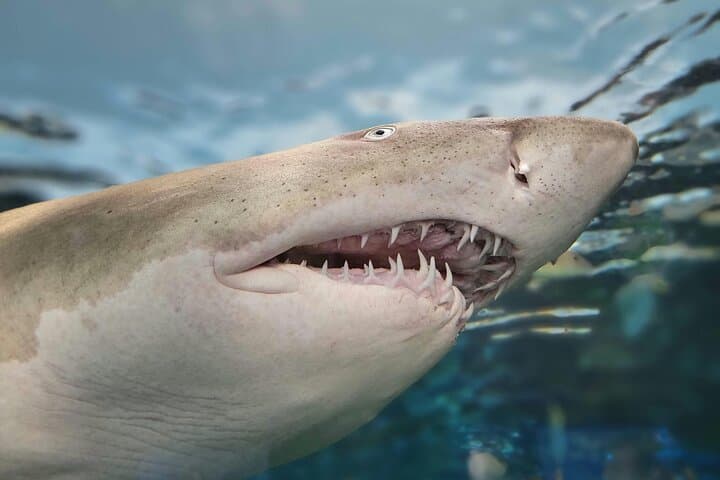
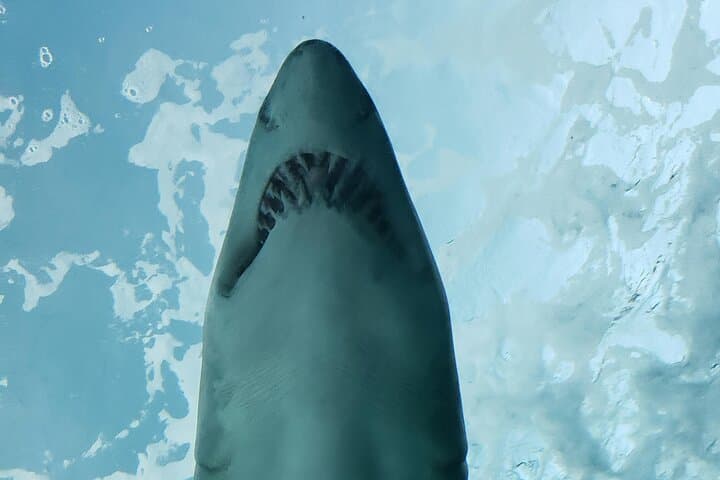
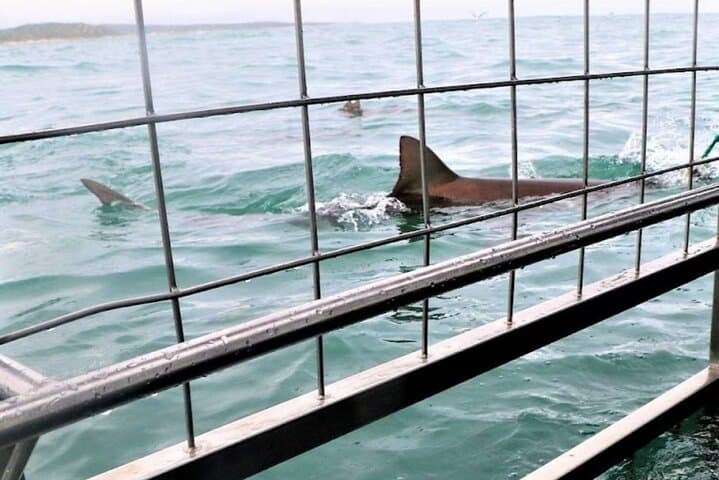
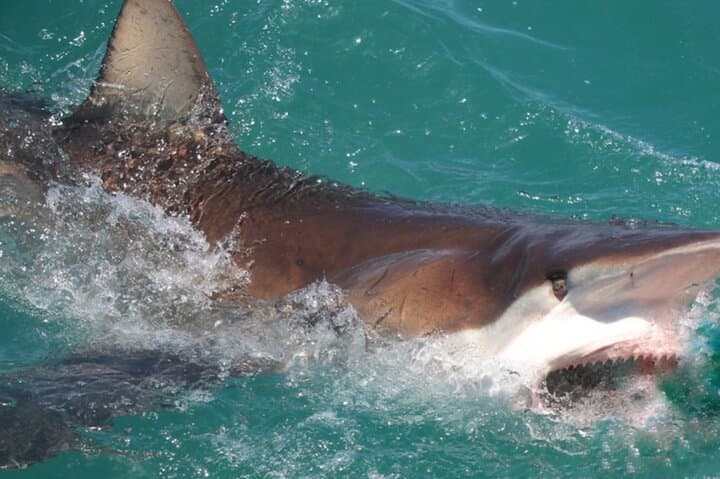
Salt spray stings the face as the boat pushes off from Kleinbaai, the low headland sliding away and Walker Bay opening like a moving horizon. In minutes the crew are setting lines, the steel cage humming against the hull while guides run a calm, methodical briefing — the ritual before the sea decides its part.
Salt spray stings the face as the boat pushes off from Kleinbaai, the low headland sliding away and Walker Bay opening like a moving horizon. In minutes the crew are setting lines, the steel cage humming against the hull while guides run a calm, methodical briefing — the ritual before the sea decides its part.
Gansbaai sits on the southern edge of the Cape coast where cool Atlantic upwellings meet shallow shoals, creating a feeding ground that has drawn great white sharks for generations. The area’s maritime history stretches from fishing and whaling to modern conservation efforts; Dyer Island and nearby seal colonies are both ecological magnets and historical markers of changing local economies.
Geology here is coastal sandstone and submerged reefs, currents that can flip a quiet surface into boiling swells. Local culture blends small-town fishing life with seasoned ocean guides who read weather, tide and shark behavior the way farmers read soil.
Practically: the whole outing is typically 2–4 hours, including briefing, transit, gear-up and cage time. Depths are shallow — cages sit around 3–5 meters below the surface — but conditions can be rough; basic swimming ability and comfort on a boat help. Operators supply wetsuits, masks, snorkels, weight belts and a sturdy cage; photos are often available for purchase.
Respect the rhythm of the sea, follow crew instructions exactly, and plan for boat motion and wind chill. Whether you stay dry and watch from the deck or hang in the cage, Gansbaai’s waters offer a clear, uncompromising encounter with one of the ocean’s most powerful predators.