THE ADVENTURE COLLECTIVE® · Independent discovery and booking for outdoor travel

Board a full-day trip from Cape Town to Gansbaai for cage diving near Dyer Island, penguin viewing at Stony Point and optional wine tasting in Stellenbosch. Expect a long day, close encounters with great whites, and briefing-led wildlife interpretation.
Board a full-day trip from Cape Town to Gansbaai for cage diving near Dyer Island, penguin viewing at Stony Point and optional wine tasting in Stellenbosch. Expect a long day, close encounters with great whites, and briefing-led wildlife interpretation.
A low, salt-sweet wind meets the N2 as the van peels away from Cape Town before dawn; surf hisses against the hull and the Atlantic dares you closer. By mid-morning the boat slips into the patch of sea around Dyer Island—an arena where great whites patrol and divas of the penguin world cluster onshore. The cage feels small against a vast blue that moves with intent.
Verified experiences and guided adventures in the surrounding area.
Operated by african macaw dmc and Safaris · Gansbaai, Western Cape
A low, salt-sweet wind meets the N2 as the van peels away from Cape Town before dawn; surf hisses against the hull and the Atlantic dares you closer. By mid-morning the boat slips into the patch of sea around Dyer Island—an arena where great whites patrol and divas of the penguin world cluster onshore. The cage feels small against a vast blue that moves with intent.
This route threads human history and geology: the Cape’s rugged coastline was carved by uplifted sandstone and granite, channels that funnel prey and draw apex predators. Gansbaai’s fisheries and seal colonies made this stretch famous to naturalists; nearby Hermanus became a whale-watch hub when Southern Right Whales began returning yearly. Local wine culture—Stellenbosch estates like Peter Falke—speaks to a long agricultural rhythm shaped by cool maritime breezes.
Practical guidance steadies the drama. The trip is a full day (expect long drives and a 3–4 hour boat window), so plan for unpredictable sea states and sudden weather shifts. All basic dive gear, towels and a briefing are provided; dress in layers, bring seasickness remedies if you’re sensitive, and lock cameras into waterproof housings or leave them ashore. Respect the animals: operators work under permits and marine biologists often explain behavior—observe quietly and follow crew instructions.
Return to land with salt-stiff hair, a sharper sense of scale, and possibly a bottle of local wine to sip while the memory settles—proof that the ocean still keeps its edge, and that a responsible close encounter can change how you read a coastline.
moderate.
10–12 hours.
Reasonable mobility — must climb boat ladder, stand for periods, and tolerate rolling seas.
Expect about 3–4 hours of time on the boat near Dyer Island within a full-day (10–12 hour) itinerary including transfers.
Yes—cage entry does not require SCUBA certification; crew provide briefings, and the cage and operators are designed for surface-based viewing.
Yes, rough seas are possible; take preventive medication and inform crew—they can accommodate breaks and seating arrangements.
Wildlife sightings cannot be guaranteed; operators visit colonies like Stony Point and whale hotspots when timing and permits allow.
The Western Cape coast has long supported fishing communities and maritime trade; Gansbaai developed into a shark-diving hub as tourism and marine research grew in the late 20th century.
Tour operators work under local permits and collaborate with marine biologists; visitors should follow guidelines to minimize disturbance to seals, penguins and whales.
african macaw dmc and Safaris operates guided outdoor trips and adventures with an emphasis on safety, stewardship, and memorable experiences.
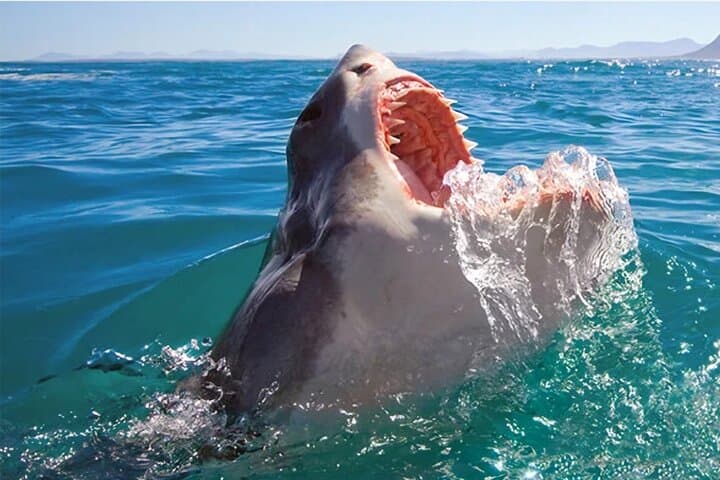
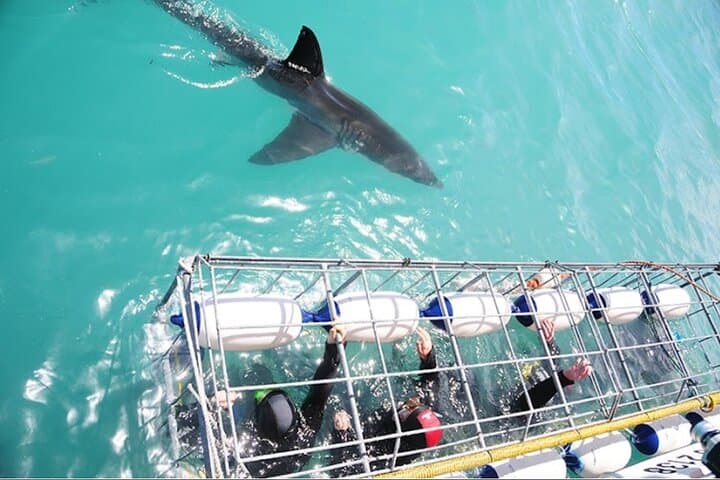
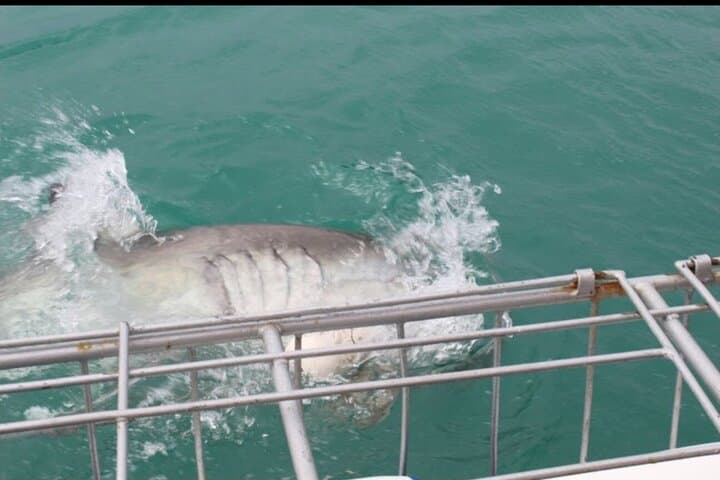
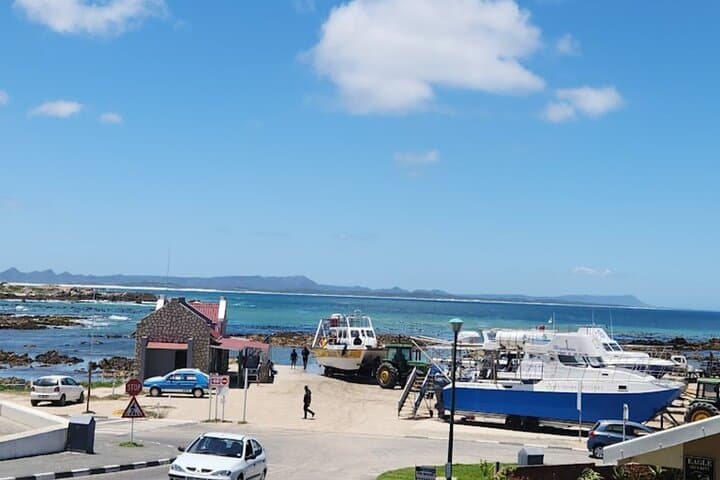
A low, salt-sweet wind meets the N2 as the van peels away from Cape Town before dawn; surf hisses against the hull and the Atlantic dares you closer. By mid-morning the boat slips into the patch of sea around Dyer Island—an arena where great whites patrol and divas of the penguin world cluster onshore. The cage feels small against a vast blue that moves with intent.
A low, salt-sweet wind meets the N2 as the van peels away from Cape Town before dawn; surf hisses against the hull and the Atlantic dares you closer. By mid-morning the boat slips into the patch of sea around Dyer Island—an arena where great whites patrol and divas of the penguin world cluster onshore. The cage feels small against a vast blue that moves with intent.
This route threads human history and geology: the Cape’s rugged coastline was carved by uplifted sandstone and granite, channels that funnel prey and draw apex predators. Gansbaai’s fisheries and seal colonies made this stretch famous to naturalists; nearby Hermanus became a whale-watch hub when Southern Right Whales began returning yearly. Local wine culture—Stellenbosch estates like Peter Falke—speaks to a long agricultural rhythm shaped by cool maritime breezes.
Practical guidance steadies the drama. The trip is a full day (expect long drives and a 3–4 hour boat window), so plan for unpredictable sea states and sudden weather shifts. All basic dive gear, towels and a briefing are provided; dress in layers, bring seasickness remedies if you’re sensitive, and lock cameras into waterproof housings or leave them ashore. Respect the animals: operators work under permits and marine biologists often explain behavior—observe quietly and follow crew instructions.
Return to land with salt-stiff hair, a sharper sense of scale, and possibly a bottle of local wine to sip while the memory settles—proof that the ocean still keeps its edge, and that a responsible close encounter can change how you read a coastline.