THE ADVENTURE COLLECTIVE® · Independent discovery and booking for outdoor travel

Board a custom vessel from Kleinbaai and lower into a steel cage as Great Whites and other sharks patrol Walker Bay. This three- to four-hour excursion balances close-up encounters with clear conservation protocols.
Board a custom vessel from Kleinbaai and lower into a steel cage as Great Whites and other sharks patrol Walker Bay. This three- to four-hour excursion balances close-up encounters with clear conservation protocols.
Salt spray and engine rumble announce the departure from Kleinbaai harbour as the coastline of Walker Bay slips aft. On a clear morning the boat threads past rocky points toward Dyer Island, where currents and seals pull large predators into view; the crew lowers a steel cage and the ocean becomes a staged encounter with apex animals.
Verified experiences and guided adventures in the surrounding area.
Operated by Great White Shark Tours · Gansbaai, Western Cape
Salt spray and engine rumble announce the departure from Kleinbaai harbour as the coastline of Walker Bay slips aft. On a clear morning the boat threads past rocky points toward Dyer Island, where currents and seals pull large predators into view; the crew lowers a steel cage and the ocean becomes a staged encounter with apex animals.
Gansbaai’s reputation as a premier shark site grew from commercial fishing and sealing in the 19th and 20th centuries to modern marine tourism and research. The seabed here is a mix of cool Benguela upwelling and shelf-edge structure that concentrates baitfish and, in turn, sharks. Locals balance tourism with conservation rules that regulate chumming and distance from breeding colonies.
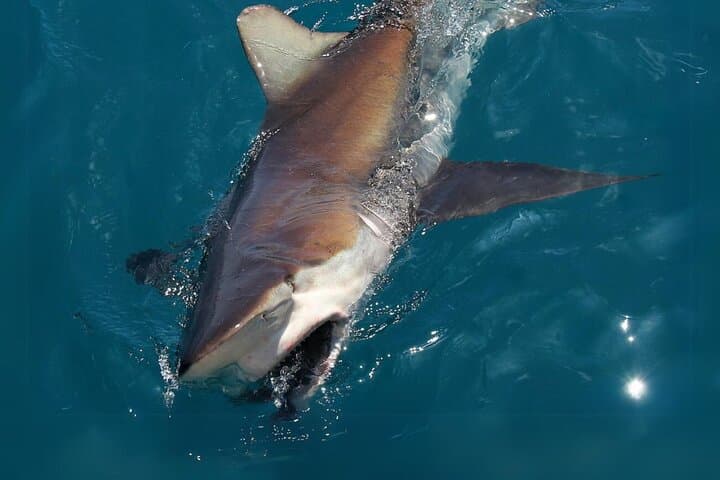
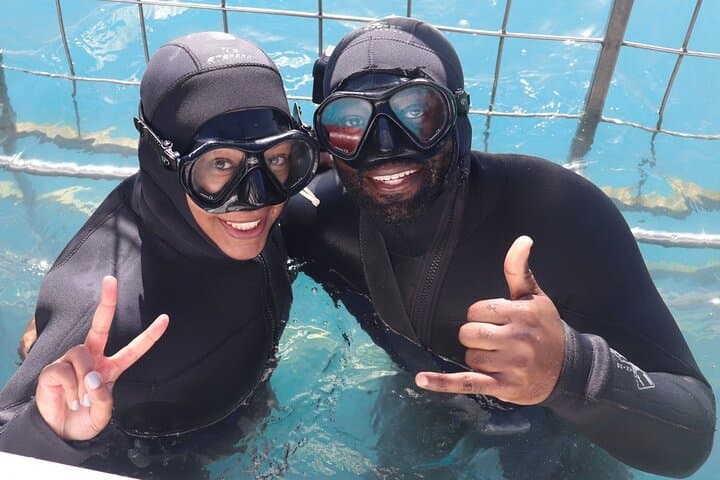
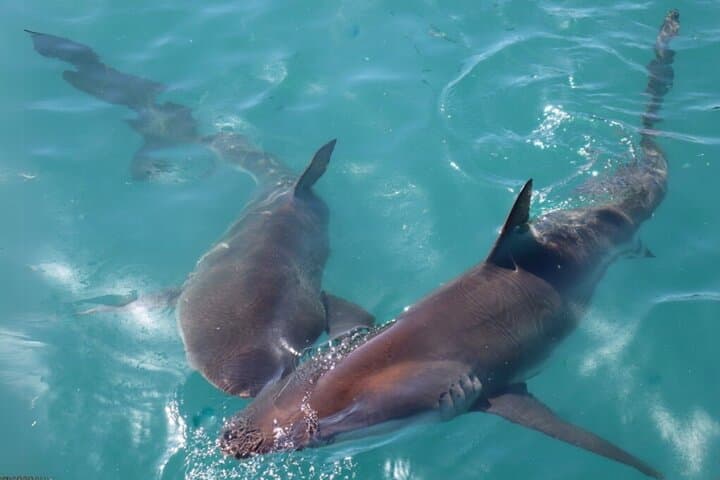
Expect tactile, immediate experiences: a briefing on the boat, gingerly stepping into a wetsuit, and the measured cadence of lowering the cage. Sightings are not guaranteed—shark activity fluctuates with tide and season—but operators use legal chum mixtures and sighting knowledge to maximize chances. Bronze whaler and great white sharks have both been encountered here.
Practicalities matter: trips leave early, last about three to four hours, and can be delayed by weather. Wear layered, weatherproof outerwear, bring motion-sickness prevention, and carry a waterproof camera with a wrist strap. Fitness requirements are modest but include basic mobility for climbing ladders and steadying yourself on a moving deck.
For travelers, pairing this excursion with whale watching or a shoreline visit to Gansbaai’s viewing platform makes a full day of marine wildlife observation.
moderate.
3–4 hours.
Suitable for most people with basic mobility and the ability to climb a short ladder; expect getting in/out of a cage and standing on deck.
No; sightings depend on tide, season, and shark activity. Operators use legal chumming and local knowledge to improve chances, but there are no guarantees.
Age policies vary by operator; many allow children but require parental consent and that the child meets fit-for-purpose safety requirements—confirm when booking.
No. Wetsuits and basic equipment are provided and the activity is designed for surface viewing and cage immersion without needing SCUBA certification.
Trips will be rescheduled or refunded according to the operator’s policy; cancellations due to unsafe sea conditions are common and handled the day before or morning of departure.
Gansbaai evolved from a 19th-century fishing and sealing community into a center for marine research and ecotourism, with Dyer Island long noted for its dense seal populations that attract large predators.
Operators follow local regulations on chumming and maintain protocols to minimize disturbance; support operators who contribute to monitoring and research programs.
Great White Shark Tours operates guided outdoor trips and adventures with an emphasis on safety, stewardship, and memorable experiences.
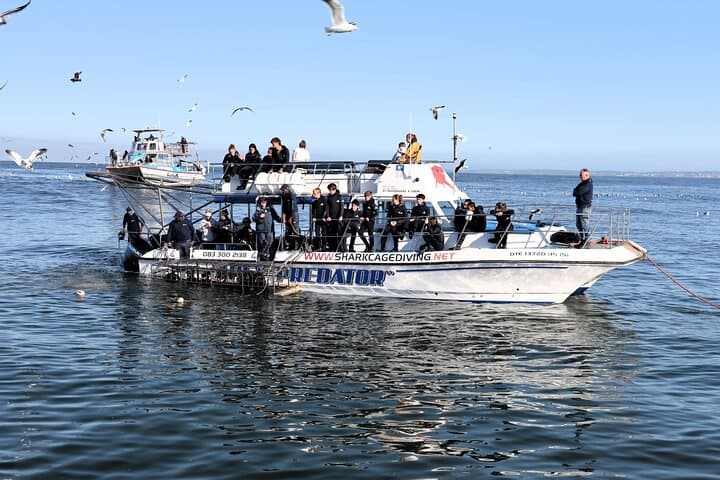
Salt spray and engine rumble announce the departure from Kleinbaai harbour as the coastline of Walker Bay slips aft. On a clear morning the boat threads past rocky points toward Dyer Island, where currents and seals pull large predators into view; the crew lowers a steel cage and the ocean becomes a staged encounter with apex animals.
Salt spray and engine rumble announce the departure from Kleinbaai harbour as the coastline of Walker Bay slips aft. On a clear morning the boat threads past rocky points toward Dyer Island, where currents and seals pull large predators into view; the crew lowers a steel cage and the ocean becomes a staged encounter with apex animals.
Gansbaai’s reputation as a premier shark site grew from commercial fishing and sealing in the 19th and 20th centuries to modern marine tourism and research. The seabed here is a mix of cool Benguela upwelling and shelf-edge structure that concentrates baitfish and, in turn, sharks. Locals balance tourism with conservation rules that regulate chumming and distance from breeding colonies.
Expect tactile, immediate experiences: a briefing on the boat, gingerly stepping into a wetsuit, and the measured cadence of lowering the cage. Sightings are not guaranteed—shark activity fluctuates with tide and season—but operators use legal chum mixtures and sighting knowledge to maximize chances. Bronze whaler and great white sharks have both been encountered here.
Practicalities matter: trips leave early, last about three to four hours, and can be delayed by weather. Wear layered, weatherproof outerwear, bring motion-sickness prevention, and carry a waterproof camera with a wrist strap. Fitness requirements are modest but include basic mobility for climbing ladders and steadying yourself on a moving deck.
For travelers, pairing this excursion with whale watching or a shoreline visit to Gansbaai’s viewing platform makes a full day of marine wildlife observation.