THE ADVENTURE COLLECTIVE® · Independent discovery and booking for outdoor travel

Board the Apex Predator in Kleinbaai and lower into a steel cage as the Atlantic answers your call. This 3–4 hour shark cage diving trip from Hermanus blends controlled boat operations with unpredictable ocean encounters—ideal for travelers seeking close, ethical views of large sharks.
Board the Apex Predator in Kleinbaai and lower into a steel cage as the Atlantic answers your call. This 3–4 hour shark cage diving trip from Hermanus blends controlled boat operations with unpredictable ocean encounters—ideal for travelers seeking close, ethical views of large sharks.
The morning light off Kleinbaai cuts across the water as the custom vessel, Apex Predator, pushes out of the harbour. Salt spray stings the face, gulls wheel, and the boat’s hum keeps time while the crew checks cages and radios. When the metal frame lowers and the chum line arcs into the sea, the ocean seems to lean forward, daring you to watch.
Verified experiences and guided adventures in the surrounding area.
Operated by Great White Shark Tours · Kleinbaai, Western Cape
The morning light off Kleinbaai cuts across the water as the custom vessel, Apex Predator, pushes out of the harbour. Salt spray stings the face, gulls wheel, and the boat’s hum keeps time while the crew checks cages and radios. When the metal frame lowers and the chum line arcs into the sea, the ocean seems to lean forward, daring you to watch.
This stretch of coastline — Gansbaai and nearby Dyer Island — is among the world’s most reliable places to see large sharks. The shoreline is a product of Cape Granite meeting cool Atlantic currents, concentrating prey and drawing predators. Local fishers, marine biologists and tour operators have long shaped a cautious culture around viewing; note that great white behaviour shifted after documented orca interactions in 2017, and operators now adapt to changing patterns.
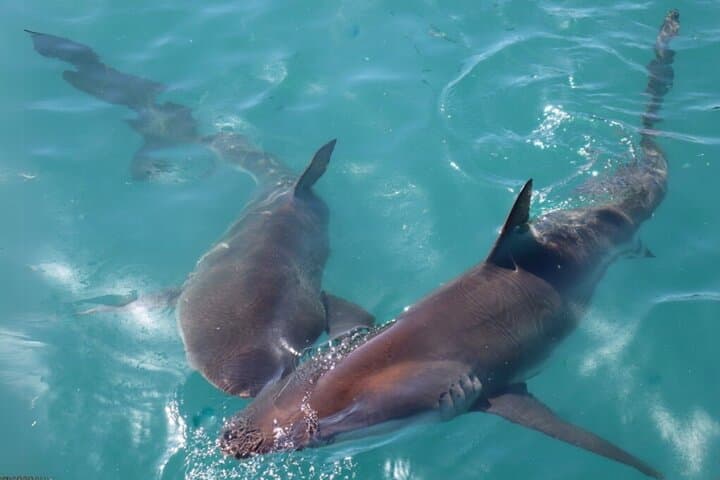
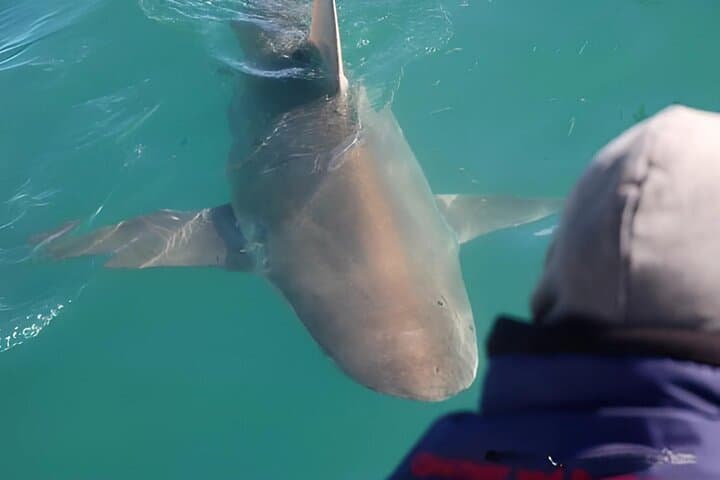
Expect a concise safety briefing, supplied wetsuit and boots, and a 3–4 hour outing that includes surface viewing and optional cage time. Wildlife you may encounter includes great whites when present, plus bronze whaler and sevengill sharks; seabirds and sometimes whales can make the trip feel larger than the cage itself.
Practical edge: book for a morning tide window, allow a weather buffer of at least one extra day, and bring sea-sickness prevention if you’re susceptible. Wear quick-dry layers under the wetsuit, secure cameras with straps, and follow crew instructions precisely — the operation is controlled, but the sea and its visitors set the pace. The trip returns to shore with a debrief and a simple hot snack to warm up before the drive back to Hermanus.
moderate.
3–4 hours.
Suitable for people in average fitness who can climb a boat ladder, step into a cage and remain steady on a moving deck.
No—operators attract sharks with a regulated chum mixture, but sightings depend on seasonal movements and recent changes in behaviour; other shark species are common.
No—no technical diving skills are needed; the cage experience is surface‑based and staff provide a full safety briefing and wetsuit fitting.
Trips typically last 3–4 hours dock‑to‑dock. If weather cancels, operators commonly offer a full refund or rescheduling—book with a weather buffer day.
The vessel is crewed by experienced guides, cages and ladders meet regulatory standards, and briefings cover procedures; always follow crew instructions during the outing.
Gansbaai developed as a fishing community and later gained fame for Dyer Island’s large seal colonies, which in turn attracted shark-focused tourism and marine research.
Operators follow strict baiting and interaction rules and work with regional marine researchers; visitors should avoid single‑use plastics and respect wildlife distances.
Great White Shark Tours operates guided outdoor trips and adventures with an emphasis on safety, stewardship, and memorable experiences.
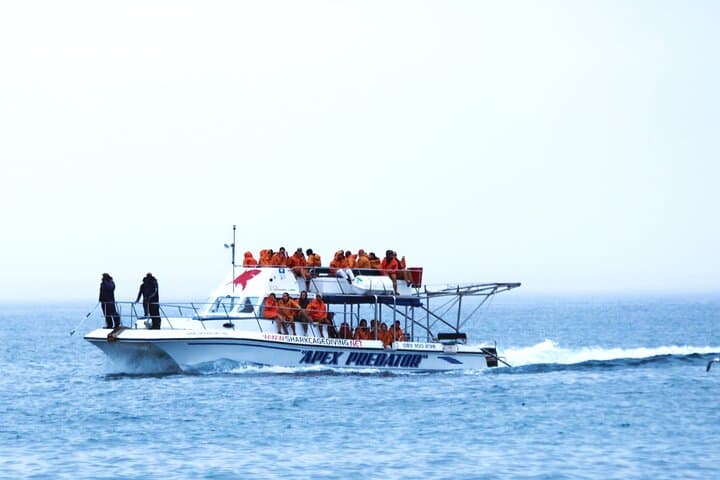
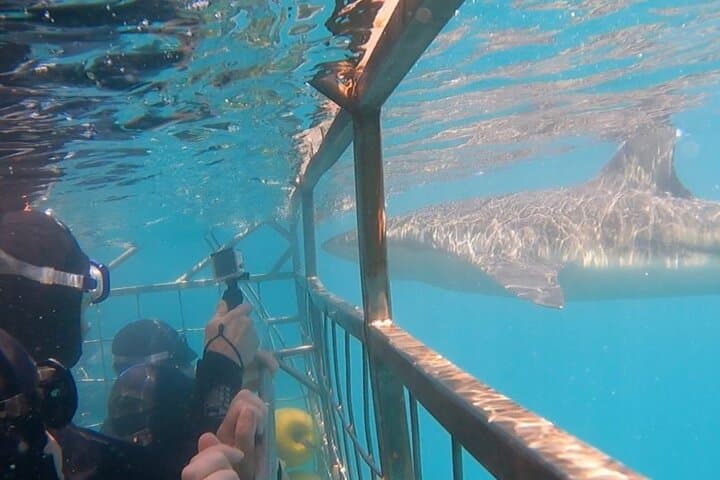
The morning light off Kleinbaai cuts across the water as the custom vessel, Apex Predator, pushes out of the harbour. Salt spray stings the face, gulls wheel, and the boat’s hum keeps time while the crew checks cages and radios. When the metal frame lowers and the chum line arcs into the sea, the ocean seems to lean forward, daring you to watch.
The morning light off Kleinbaai cuts across the water as the custom vessel, Apex Predator, pushes out of the harbour. Salt spray stings the face, gulls wheel, and the boat’s hum keeps time while the crew checks cages and radios. When the metal frame lowers and the chum line arcs into the sea, the ocean seems to lean forward, daring you to watch.
This stretch of coastline — Gansbaai and nearby Dyer Island — is among the world’s most reliable places to see large sharks. The shoreline is a product of Cape Granite meeting cool Atlantic currents, concentrating prey and drawing predators. Local fishers, marine biologists and tour operators have long shaped a cautious culture around viewing; note that great white behaviour shifted after documented orca interactions in 2017, and operators now adapt to changing patterns.
Expect a concise safety briefing, supplied wetsuit and boots, and a 3–4 hour outing that includes surface viewing and optional cage time. Wildlife you may encounter includes great whites when present, plus bronze whaler and sevengill sharks; seabirds and sometimes whales can make the trip feel larger than the cage itself.
Practical edge: book for a morning tide window, allow a weather buffer of at least one extra day, and bring sea-sickness prevention if you’re susceptible. Wear quick-dry layers under the wetsuit, secure cameras with straps, and follow crew instructions precisely — the operation is controlled, but the sea and its visitors set the pace. The trip returns to shore with a debrief and a simple hot snack to warm up before the drive back to Hermanus.