THE ADVENTURE COLLECTIVE® · Independent discovery and booking for outdoor travel

Head out from Cape Town to Gansbaai and Dyer Island for a close, secure encounter with great white sharks. This full-day trip combines hotel transfers, a briefing by a marine biologist, wetsuit fitting, and cage time with professional photography available.
Head out from Cape Town to Gansbaai and Dyer Island for a close, secure encounter with great white sharks. This full-day trip combines hotel transfers, a briefing by a marine biologist, wetsuit fitting, and cage time with professional photography available.
A fog-thin morning lifts off the Atlantic as a minibus peels away from Cape Town toward Gansbaai. By the time the boat bows cut through the swell, the sea has a will of its own—pushing, testing, then settling around Dyer Island where seals gather and great whites circle below. Participants suit up, feel the cold neoprene cinch like a promise, and listen as the marine biologist sketches shark behavior against the horizon.
Verified experiences and guided adventures in the surrounding area.
Operated by Okapi Safari Tours cape town · Gansbaai, Western Cape
A fog-thin morning lifts off the Atlantic as a minibus peels away from Cape Town toward Gansbaai. By the time the boat bows cut through the swell, the sea has a will of its own—pushing, testing, then settling around Dyer Island where seals gather and great whites circle below. Participants suit up, feel the cold neoprene cinch like a promise, and listen as the marine biologist sketches shark behavior against the horizon.
The Walker Bay coastline carries a maritime past of sealing and fishing; granite outcrops and offshore islands are remnants of ancient uplift and wave-carved geology that concentrate marine life. Dyer Island and nearby Seal Island create a compact food web—pinnipeds, schooling fish, and the predators that follow—and locals have developed a careful, research-driven approach to encounters here.
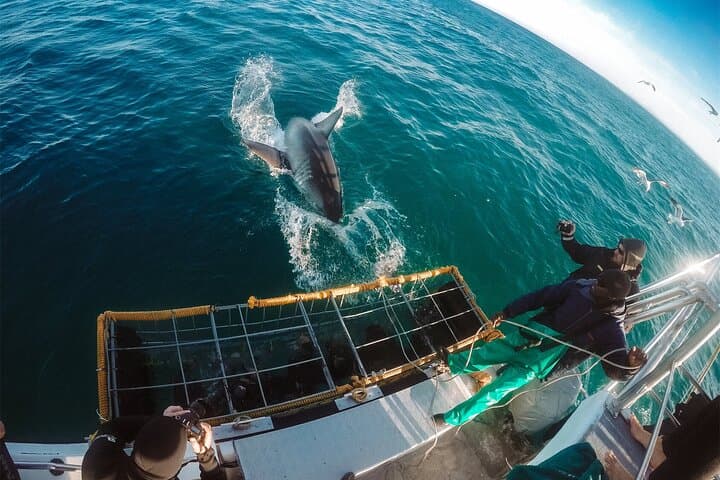
Practically speaking, expect a long day: hotel pickup in Cape Town, breakfast and briefing in Gansbaai, a short cruise to the dive site, roughly two hours of cage time, and return transfer. Seas can be calm or notoriously rough; operators provide wetsuits, towels, and safety briefings, and professional photographers often document the encounter. Bring motion-sickness meds, a waterproof camera, and warm layers for wind on deck.
For travelers, the experience balances adrenaline with education—this is a viewing encounter from a secure cage, not free diving. Respect operator guidance, follow biosecurity and conservation rules, and plan the day around sea conditions. With sensible prep, a cage dive here is a rare chance to see an apex predator up close while supporting local research and tourism that keeps the ecosystem healthy.
moderate.
10 hours.
Light to moderate fitness; must be able to climb boat ladders, step into a cage, and stand on deck for periods.
Operators use sturdy cages, provide safety briefings, and have crew trained in emergency procedures; the cage keeps you separated from sharks while allowing close observation.
No prior diving skills are required—this is a surface cage experience and is suitable for people with varying levels of water experience.
Wear swimwear under the supplied wetsuit, and bring warm, layered clothing for time on deck and after exiting the water.
Pregnant travelers and those with significant heart or cardiovascular issues are advised not to participate; operators typically request age and health information at booking.
Gansbaai and Walker Bay have a history tied to sealing and fishing; offshore islands were historically important haul-out sites that now underpin marine tourism and research.
Local operators work with researchers and follow codes of conduct to minimize disturbance; responsible tourism funds tagging and education programs that monitor shark populations.
Okapi Safari Tours cape town operates guided outdoor trips and adventures with an emphasis on safety, stewardship, and memorable experiences.
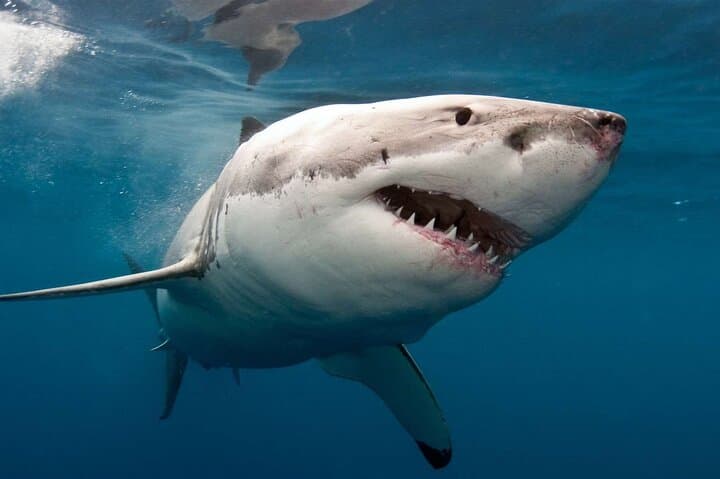
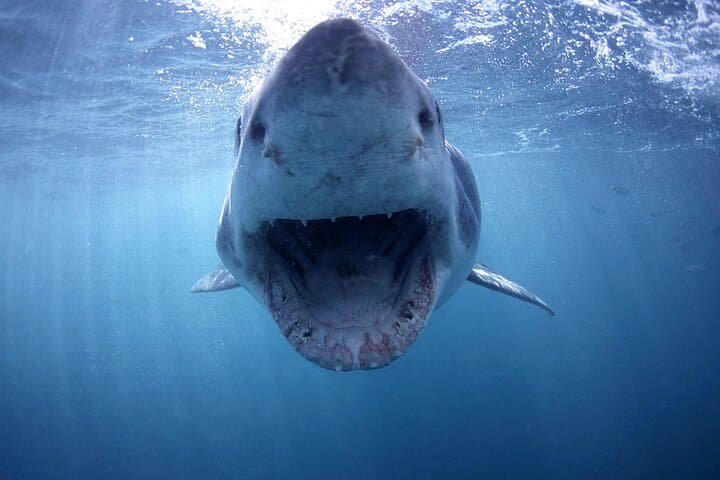
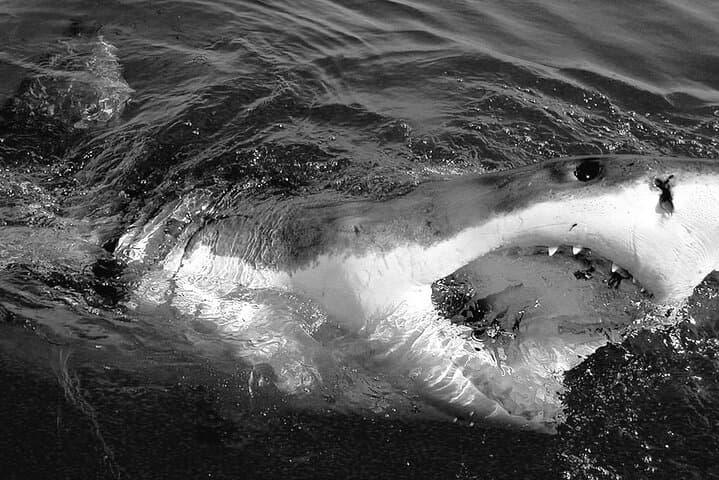
A fog-thin morning lifts off the Atlantic as a minibus peels away from Cape Town toward Gansbaai. By the time the boat bows cut through the swell, the sea has a will of its own—pushing, testing, then settling around Dyer Island where seals gather and great whites circle below. Participants suit up, feel the cold neoprene cinch like a promise, and listen as the marine biologist sketches shark behavior against the horizon.
A fog-thin morning lifts off the Atlantic as a minibus peels away from Cape Town toward Gansbaai. By the time the boat bows cut through the swell, the sea has a will of its own—pushing, testing, then settling around Dyer Island where seals gather and great whites circle below. Participants suit up, feel the cold neoprene cinch like a promise, and listen as the marine biologist sketches shark behavior against the horizon.
The Walker Bay coastline carries a maritime past of sealing and fishing; granite outcrops and offshore islands are remnants of ancient uplift and wave-carved geology that concentrate marine life. Dyer Island and nearby Seal Island create a compact food web—pinnipeds, schooling fish, and the predators that follow—and locals have developed a careful, research-driven approach to encounters here.
Practically speaking, expect a long day: hotel pickup in Cape Town, breakfast and briefing in Gansbaai, a short cruise to the dive site, roughly two hours of cage time, and return transfer. Seas can be calm or notoriously rough; operators provide wetsuits, towels, and safety briefings, and professional photographers often document the encounter. Bring motion-sickness meds, a waterproof camera, and warm layers for wind on deck.
For travelers, the experience balances adrenaline with education—this is a viewing encounter from a secure cage, not free diving. Respect operator guidance, follow biosecurity and conservation rules, and plan the day around sea conditions. With sensible prep, a cage dive here is a rare chance to see an apex predator up close while supporting local research and tourism that keeps the ecosystem healthy.