THE ADVENTURE COLLECTIVE® · Independent discovery and booking for outdoor travel

Head east from Santa Maria for a private encounter with a natural lemon shark nursery on Sal Island. This two-hour guided visit combines a beachside briefing and a supervised shallow-water observation — water shoes and safety gear included.
Head east from Santa Maria for a private encounter with a natural lemon shark nursery on Sal Island. This two-hour guided visit combines a beachside briefing and a supervised shallow-water observation — water shoes and safety gear included.
Waves thin into a pale foamy line as your guide steers a quiet course east from Santa Maria; the island’s low volcanic ridges lay flat against the sky and the surf smells of salt and warm sand. After a roughly 30-minute transfer you step onto the beach where a natural lemon shark nursery unfolds — sand-colored shapes cruising shallow water while the guide points out fins and explains behavior.
Verified experiences and guided adventures in the surrounding area.
Operated by Sal Experiences · Santa Maria, Sal
Waves thin into a pale foamy line as your guide steers a quiet course east from Santa Maria; the island’s low volcanic ridges lay flat against the sky and the surf smells of salt and warm sand. After a roughly 30-minute transfer you step onto the beach where a natural lemon shark nursery unfolds — sand-colored shapes cruising shallow water while the guide points out fins and explains behavior.
Sal’s story is plain in the landscape. “Sal” means salt: the island rose from volcanic activity and its economy has long tied to salt pans and coastal fishing. Geologically, the east coast is basaltic and worn smooth, with pockets of sand where lemon sharks (Negaprion brevirostris) gather to pup and feed. Culturally, Santa Maria is a small fishing town with Creole influences; local guides often balance tourism with fishing traditions and conservation priorities.
The experience is short and focused: about 40 minutes observing or wading with sharks under guide supervision inside a two-hour private tour. Water shoes and basic safety gear are provided; you can stay onshore with binoculars or enter shallow water. Expect rocky entry, gentle current on calm days, and salt-slick air. Practical notes: bring reef-safe sunscreen, a waterproof camera or GoPro, and a swimsuit; wear clothes that dry quickly. The tour is family-friendly but not recommended for those with limited mobility. Follow the guide’s instructions closely — the rookery is protected and interactions are managed to minimize stress on animals. This is an accessible, close-to-nature wildlife encounter that pairs short field biology with a brief coastal drive back to Santa Maria.
moderate.
2 hours.
Comfortable for travelers who can wade in shallow water and walk on rocky shorelines; basic swimming ability recommended.
Yes—these lemon sharks are accustomed to shallow water and the tour is supervised by experienced guides; always follow instructions and do not attempt to touch the animals.
Private round-trip transport from Santa Maria, guide, water shoes and basic safety gear, and a guided 40-minute shark observation period within a two-hour visit.
Yes; infant car seats are available on request and the activity is family-friendly, but the operator notes it isn’t recommended for travelers with reduced mobility.
Swimsuit, towel, waterproof camera/GoPro, reef-safe sunscreen, and any personal medication—water shoes are provided.
Sal grew around salt production and Portuguese colonial trade; the island’s name reflects its historical salt pans, and fishing villages like Santa Maria retain Creole cultural ties.
Shark Bay functions as an informal rookery; local guides emphasize minimal disturbance, no-touch policies, and support for community-led conservation to protect pups and coastal habitat.
Sal Experiences operates guided outdoor trips and adventures with an emphasis on safety, stewardship, and memorable experiences.
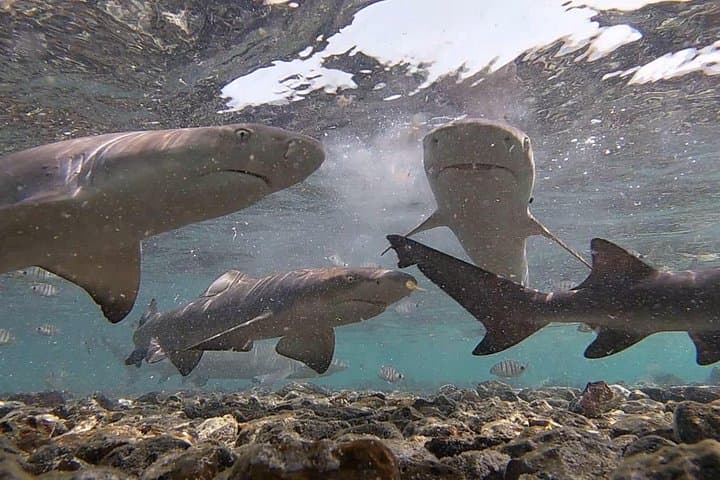
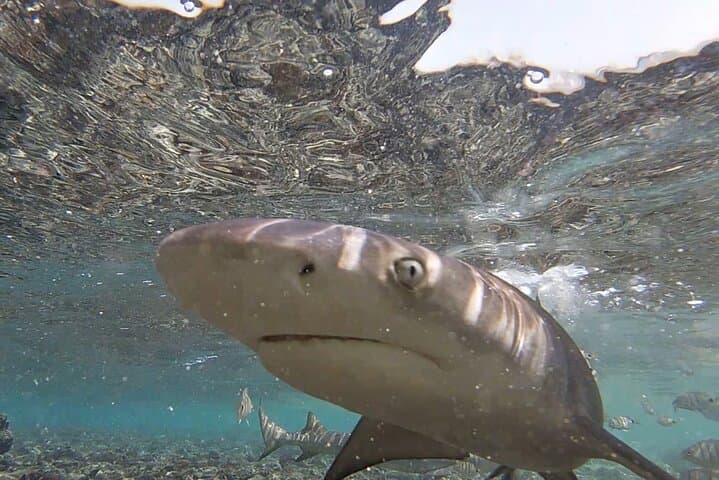
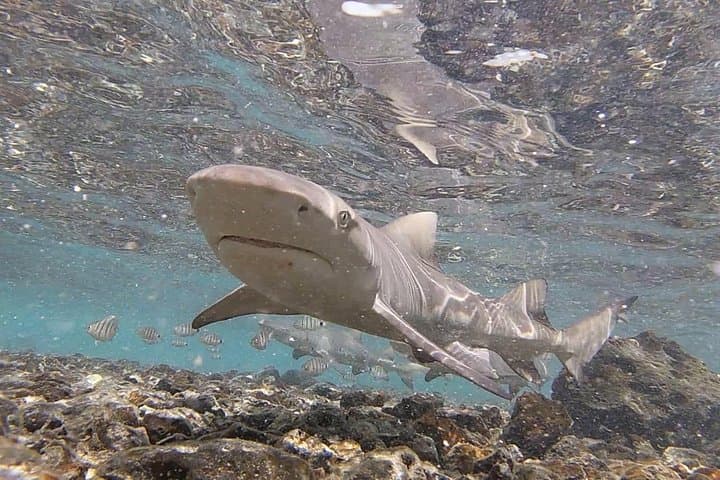
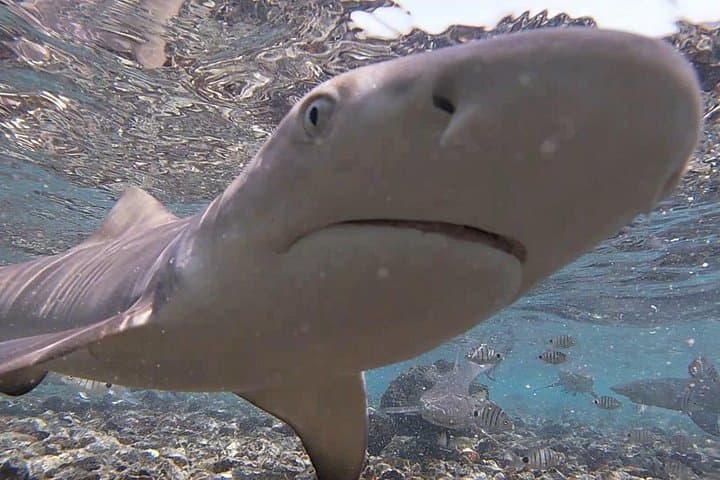
Waves thin into a pale foamy line as your guide steers a quiet course east from Santa Maria; the island’s low volcanic ridges lay flat against the sky and the surf smells of salt and warm sand. After a roughly 30-minute transfer you step onto the beach where a natural lemon shark nursery unfolds — sand-colored shapes cruising shallow water while the guide points out fins and explains behavior.
Waves thin into a pale foamy line as your guide steers a quiet course east from Santa Maria; the island’s low volcanic ridges lay flat against the sky and the surf smells of salt and warm sand. After a roughly 30-minute transfer you step onto the beach where a natural lemon shark nursery unfolds — sand-colored shapes cruising shallow water while the guide points out fins and explains behavior.
Sal’s story is plain in the landscape. “Sal” means salt: the island rose from volcanic activity and its economy has long tied to salt pans and coastal fishing. Geologically, the east coast is basaltic and worn smooth, with pockets of sand where lemon sharks (Negaprion brevirostris) gather to pup and feed. Culturally, Santa Maria is a small fishing town with Creole influences; local guides often balance tourism with fishing traditions and conservation priorities.
The experience is short and focused: about 40 minutes observing or wading with sharks under guide supervision inside a two-hour private tour. Water shoes and basic safety gear are provided; you can stay onshore with binoculars or enter shallow water. Expect rocky entry, gentle current on calm days, and salt-slick air. Practical notes: bring reef-safe sunscreen, a waterproof camera or GoPro, and a swimsuit; wear clothes that dry quickly. The tour is family-friendly but not recommended for those with limited mobility. Follow the guide’s instructions closely — the rookery is protected and interactions are managed to minimize stress on animals. This is an accessible, close-to-nature wildlife encounter that pairs short field biology with a brief coastal drive back to Santa Maria.