THE ADVENTURE COLLECTIVE® · Independent discovery and booking for outdoor travel

Swap Dubai’s skyline for Sharjah’s museums, forts, and bustling souks on a private half-day tour. It’s a compact, customizable cultural run that pairs guided history with easy walking and included admissions.
Swap Dubai’s skyline for Sharjah’s museums, forts, and bustling souks on a private half-day tour. It’s a compact, customizable cultural run that pairs guided history with easy walking and included admissions.
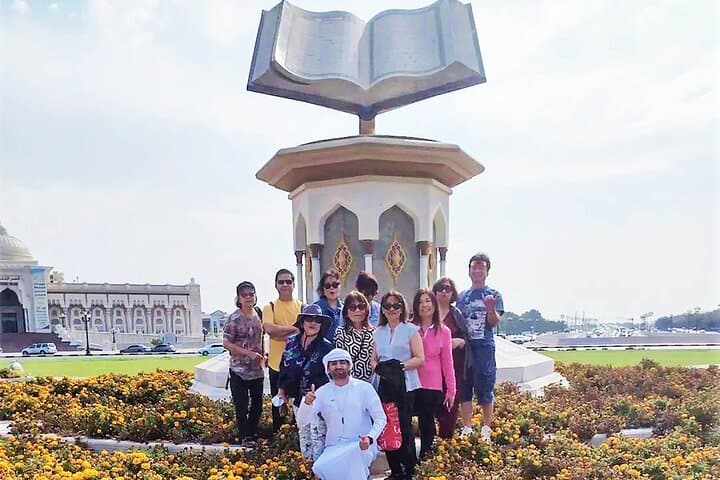
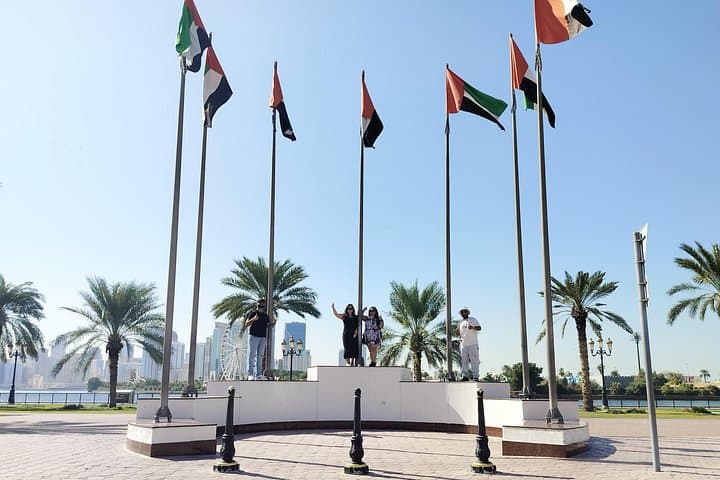
You step out of a luxury vehicle as the Arabian light slants over Khalid Lagoon, the water daring you to trade Dubai’s skyscrapers for low-slung heritage buildings and narrow souk alleys.
Verified experiences and guided adventures in the surrounding area.
Operated by Tours By Rafiq Tourism LLC · Sharjah, Sharjah
You step out of a luxury vehicle as the Arabian light slants over Khalid Lagoon, the water daring you to trade Dubai’s skyscrapers for low-slung heritage buildings and narrow souk alleys.
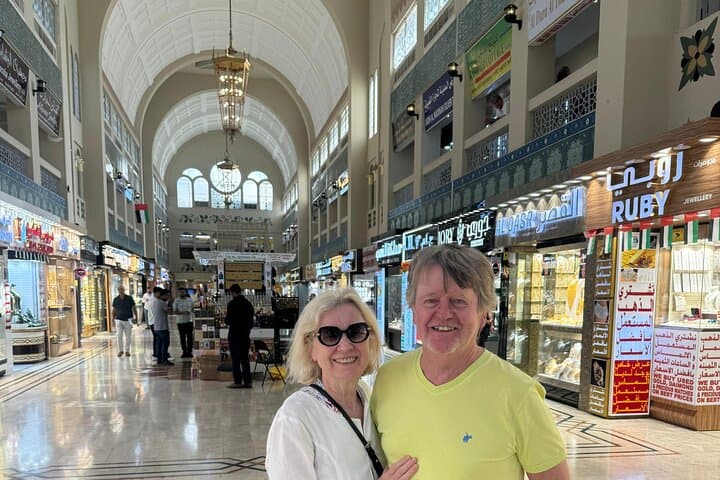
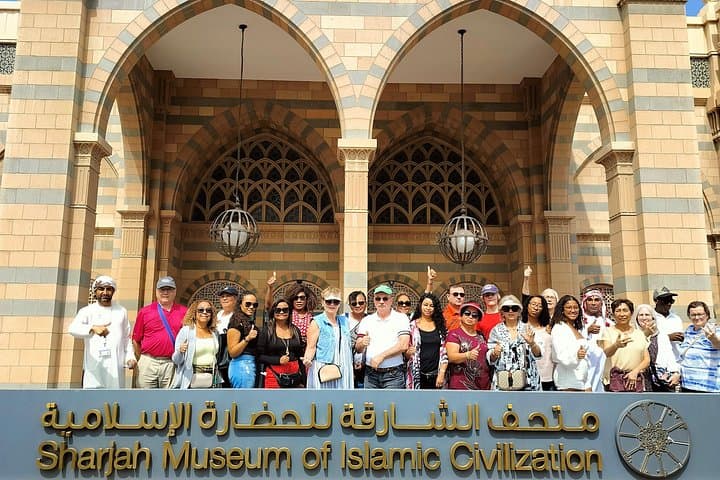
In five hours you move from the contemplative galleries of the Sharjah Museum of Islamic Civilization—where manuscripts and astrolabes map centuries of scholarship—to the crenellated walls of Sharjah Fort that hold stories of pearling boats and coastal trade. The Blue Souk’s cobalt tiles and covered arcades create a practical maze of shops; vendors’ voices and the scent of saffron and oud feel immediate, tactile.
Sharjah’s built landscape sits on a coastline shaped by shallow lagoons and long-term maritime commerce; the emirate’s archaeology museums display pottery and tools from cultures that exploited both desert and sea. Culturally, Sharjah was named the Arab Cultural Capital (1998) and has cultivated museums and conservation projects that emphasize living tradition rather than spectacle.
Plan your visit for early morning or late afternoon to avoid peak heat. Dress modestly for mosque exteriors and museums—light, breathable fabrics that cover shoulders and knees work best. Expect short walks on paved and sometimes uneven historic surfaces; bring comfortable shoes, a sunhat, and a reusable water bottle. Photography is welcomed at many stops but be respectful at religious sites.
Logistics are simple: hotel pickup in Dubai, private guide, and admissions included for major museums. The pace is relaxed but packed with context—an efficient half-day that gives a clear picture of Sharjah’s material history and contemporary civic pride.
easy.
5–6 hours.
Light walking and short stands; suitable for most fitness levels who can walk on paved and slightly uneven surfaces.
Yes—hotel pickup and drop-off from Dubai are included; pickups from other emirates can be arranged for an additional fee.
Admissions for the Sharjah Museum of Islamic Civilization, Sharjah Fort, and the Archaeology Museum are included in the tour price.
The tour is advertised as wheelchair accessible, but some historic sites may have limited access—contact the operator ahead to confirm specific needs.
Guides typically speak English and often Arabic; request other languages when booking to ensure availability.
Sharjah’s economy grew from pearling and maritime trade; the emirate was named Arab Cultural Capital in 1998 and focuses heavily on museums and heritage preservation.
Sharjah manages coastal and archaeological sites with conservation programs; visitors are asked to minimize plastic, stick to marked areas, and respect fragile exhibits.
Tours By Rafiq Tourism LLC operates guided outdoor trips and adventures with an emphasis on safety, stewardship, and memorable experiences.
You step out of a luxury vehicle as the Arabian light slants over Khalid Lagoon, the water daring you to trade Dubai’s skyscrapers for low-slung heritage buildings and narrow souk alleys.
You step out of a luxury vehicle as the Arabian light slants over Khalid Lagoon, the water daring you to trade Dubai’s skyscrapers for low-slung heritage buildings and narrow souk alleys.
In five hours you move from the contemplative galleries of the Sharjah Museum of Islamic Civilization—where manuscripts and astrolabes map centuries of scholarship—to the crenellated walls of Sharjah Fort that hold stories of pearling boats and coastal trade. The Blue Souk’s cobalt tiles and covered arcades create a practical maze of shops; vendors’ voices and the scent of saffron and oud feel immediate, tactile.
Sharjah’s built landscape sits on a coastline shaped by shallow lagoons and long-term maritime commerce; the emirate’s archaeology museums display pottery and tools from cultures that exploited both desert and sea. Culturally, Sharjah was named the Arab Cultural Capital (1998) and has cultivated museums and conservation projects that emphasize living tradition rather than spectacle.
Plan your visit for early morning or late afternoon to avoid peak heat. Dress modestly for mosque exteriors and museums—light, breathable fabrics that cover shoulders and knees work best. Expect short walks on paved and sometimes uneven historic surfaces; bring comfortable shoes, a sunhat, and a reusable water bottle. Photography is welcomed at many stops but be respectful at religious sites.
Logistics are simple: hotel pickup in Dubai, private guide, and admissions included for major museums. The pace is relaxed but packed with context—an efficient half-day that gives a clear picture of Sharjah’s material history and contemporary civic pride.