THE ADVENTURE COLLECTIVE® · Independent discovery and booking for outdoor travel

A 4–5 hour private tour from Dubai that pairs Sharjah’s restored forts and Islamic museums with Ajman’s compact coastal museum and lively souks. Ideal for travelers who want cultural depth with light walking and local shopping stops.
A 4–5 hour private tour from Dubai that pairs Sharjah’s restored forts and Islamic museums with Ajman’s compact coastal museum and lively souks. Ideal for travelers who want cultural depth with light walking and local shopping stops.
You step out of Dubai’s glassed skyline into an older rhythm: the air carries a faint sea-salt and spice market tang as the vehicle rolls toward Sharjah’s low-rise stone façades and the soft curve of Ajman’s shoreline.
Verified experiences and guided adventures in the surrounding area.
Operated by Oman Day Tours · Sharjah, Sharjah
You step out of Dubai’s glassed skyline into an older rhythm: the air carries a faint sea-salt and spice market tang as the vehicle rolls toward Sharjah’s low-rise stone façades and the soft curve of Ajman’s shoreline.
The day pivots between two emirates—Sharjah’s 19th-century Al Hisn (the fort) and museums that trace regional life, and Ajman’s compact coastal citadel and low-key souks. Geology here is flat coastal plain, reclaimed mangrove fringes give way to sandy beaches and salt flats; the land’s simplicity shaped a maritime culture built on fishing, pearling and trade rather than elevation or peaks.
Sharjah carved an identity as the UAE’s cultural center, preserving wooden doors, mosque tile work and carved stucco; Ajman keeps the quieter feel of a traditional port where the Ajman Museum occupies an 18th-century fortress. Local life still orbits small markets—scented incense, textiles and silverwork—where bargaining is part of the rhythm.
Practical guidance: tours run 4–5 hours and are low-intensity—expect short walks, stairs at historical sites and time for shopping. Dress conservatively at religious sites: shoulders and knees covered; women may be asked to wear headscarves in some mosques. Summer sun is intense—start early or late afternoon, carry bottled water (provided on this tour), and wear closed-toe shoes for uneven souk alleys. Bring small cash for local purchases and phone camera space; guides often help with photos. If you’re arriving by cruise, note pickup details and passport requirements ahead of booking. The route is ideal for couples seeking cultural depth with minimal exertion—quiet streets, bright mosaics and simple coastal vistas that move at human pace.
easy.
4–5 hours.
Suitable for most fitness levels; involves short, mostly flat walks and some stairs at historical sites
Yes—your passport is required on the day of travel, and cruise passengers must provide ship and docking details at booking.
Yes; the itinerary includes a visit to King Faisal Mosque with time to view architecture (note that some areas may be restricted during prayer times).
The tour is private and allows for a tailored pace, so couples can request more time at specific sites or quieter photo stops.
Admissions to listed museums are included per the tour information, and bottled water is provided.
Sharjah developed as a regional center of trade and Islamic scholarship; Ajman grew as a small trading and pearling port with a compact urban fort at its core.
Coastal habitats are sensitive—avoid littering, stick to marked beaches, and support local businesses that follow sustainable practices.
Oman Day Tours operates guided outdoor trips and adventures with an emphasis on safety, stewardship, and memorable experiences.
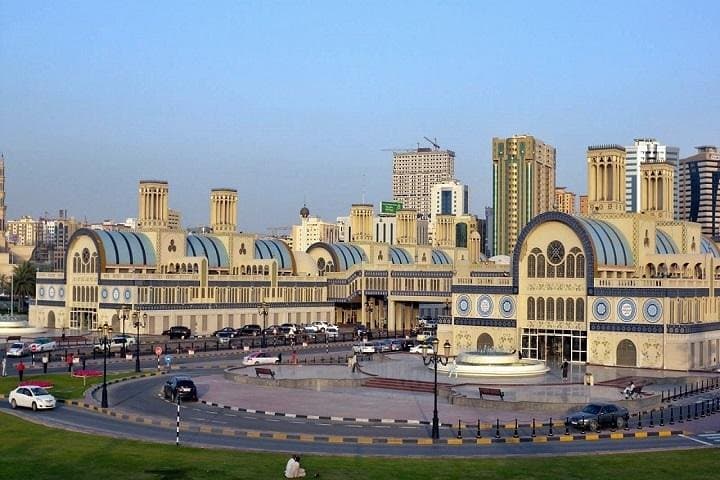
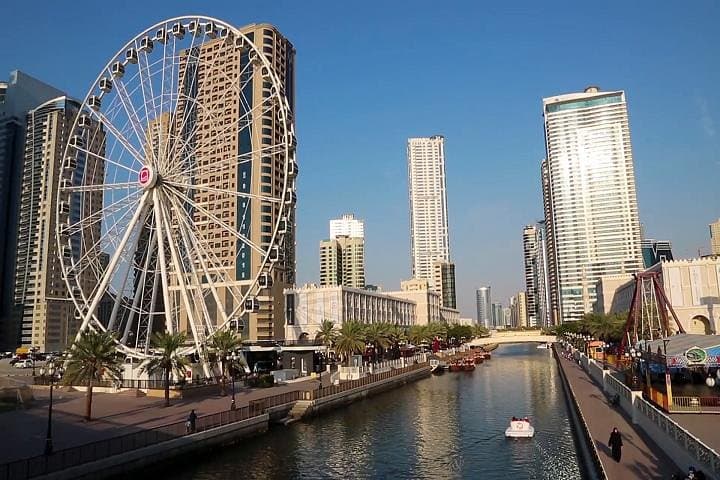

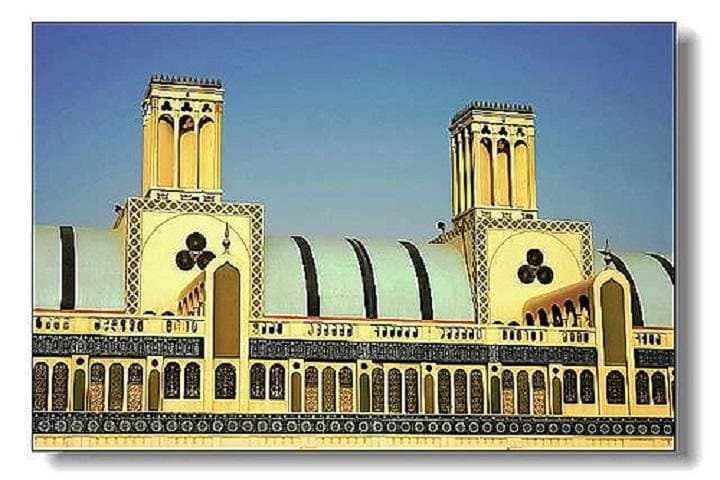
You step out of Dubai’s glassed skyline into an older rhythm: the air carries a faint sea-salt and spice market tang as the vehicle rolls toward Sharjah’s low-rise stone façades and the soft curve of Ajman’s shoreline.
You step out of Dubai’s glassed skyline into an older rhythm: the air carries a faint sea-salt and spice market tang as the vehicle rolls toward Sharjah’s low-rise stone façades and the soft curve of Ajman’s shoreline.
The day pivots between two emirates—Sharjah’s 19th-century Al Hisn (the fort) and museums that trace regional life, and Ajman’s compact coastal citadel and low-key souks. Geology here is flat coastal plain, reclaimed mangrove fringes give way to sandy beaches and salt flats; the land’s simplicity shaped a maritime culture built on fishing, pearling and trade rather than elevation or peaks.
Sharjah carved an identity as the UAE’s cultural center, preserving wooden doors, mosque tile work and carved stucco; Ajman keeps the quieter feel of a traditional port where the Ajman Museum occupies an 18th-century fortress. Local life still orbits small markets—scented incense, textiles and silverwork—where bargaining is part of the rhythm.
Practical guidance: tours run 4–5 hours and are low-intensity—expect short walks, stairs at historical sites and time for shopping. Dress conservatively at religious sites: shoulders and knees covered; women may be asked to wear headscarves in some mosques. Summer sun is intense—start early or late afternoon, carry bottled water (provided on this tour), and wear closed-toe shoes for uneven souk alleys. Bring small cash for local purchases and phone camera space; guides often help with photos. If you’re arriving by cruise, note pickup details and passport requirements ahead of booking. The route is ideal for couples seeking cultural depth with minimal exertion—quiet streets, bright mosaics and simple coastal vistas that move at human pace.