THE ADVENTURE COLLECTIVE® · Independent discovery and booking for outdoor travel

A practical, comfortable way to travel Costa Rica’s central valley to the Central Pacific, this shared shuttle includes hotel pickup, onboard Wi‑Fi and restroom stops. Read on for timing, luggage rules, and tips to arrive ready for Manuel Antonio’s beaches and rainforest.
A practical, comfortable way to travel Costa Rica’s central valley to the Central Pacific, this shared shuttle includes hotel pickup, onboard Wi‑Fi and restroom stops. Read on for timing, luggage rules, and tips to arrive ready for Manuel Antonio’s beaches and rainforest.
You step onto the air‑conditioned minivan as San José’s traffic thins and the landscape loosens its grip—coffee farms give way to palm‑dotted hills and the Pacific draws nearer, a low, constant promise on the horizon.
Verified experiences and guided adventures in the surrounding area.
Operated by Faro Travel Costa Rica · Manuel Antonio, Puntarenas
You step onto the air‑conditioned minivan as San José’s traffic thins and the landscape loosens its grip—coffee farms give way to palm‑dotted hills and the Pacific draws nearer, a low, constant promise on the horizon.
The route linking Costa Rica’s central valley to the Central Pacific has roots in the country’s mid‑20th‑century road expansion that opened Manuel Antonio to visitors; geology here shifts from volcanic uplands to coastal terraces carved by ocean and rain. Local culture along the highway is equally varied: roadside sodas serve casados and fresh fruit, while bilingual drivers double as informal guides, flagging wildlife and town names as you pass.
Manuel Antonio itself sits on a small headland of humid forest and beaches where the Pacific tugs at rocky points and mangroves nibble at estuaries. Expect monkeys, scarlet macaws, and the occasional lazy sloth in the roadside canopy if you’re watchful.
Practical guidance: shared shuttles are door‑to‑door for most hotels but sometimes require a short taxi transfer if your lodging sits off the main route. Trips typically take 3.5–4.5 hours depending on traffic; morning and afternoon departures have different minimum passenger requirements. Services include onboard Wi‑Fi, a short restroom/snack stop, and occasional vehicle changes. Be ready 15 minutes before pickup, confirm exact pickup/drop locations in advance, and pack a small daypack with water, sunscreen, and motion‑sickness remedies. Keep important documents and devices with you; larger luggage is stored in the hold. With reliable drivers and scheduled stops, the shuttle is a practical way to move between Costa Rica’s capital energy and the relaxed coastal forests of Manuel Antonio.
easy.
3.5–4.5 hours.
No special fitness required; able to board and exit a low‑step minivan and handle basic luggage.
Typical travel time is about 3.5 to 4.5 hours, depending on traffic and the number of hotel stops.
Yes—shared shuttles include at least one short rest stop where passengers can use facilities and buy snacks.
Most hotels in the main zones receive door‑to‑door service; remote hotels may require a short taxi transfer to the shuttle pickup point.
Large luggage is stowed in the vehicle hold; infant seats are available on request—confirm during booking and note them on your reservation.
The road linking San José to the Central Pacific expanded visitor access in the late 20th century, helping Manuel Antonio grow from fishing village to protected park gateway.
Manuel Antonio National Park is one of Costa Rica’s most visited protected areas; visitors should follow park rules, stay on trails, and minimize single‑use plastics to reduce impact.
Faro Travel Costa Rica operates guided outdoor trips and adventures with an emphasis on safety, stewardship, and memorable experiences.
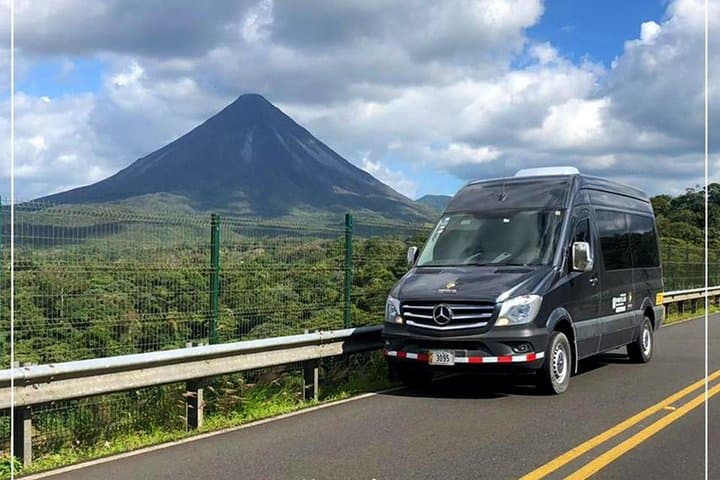

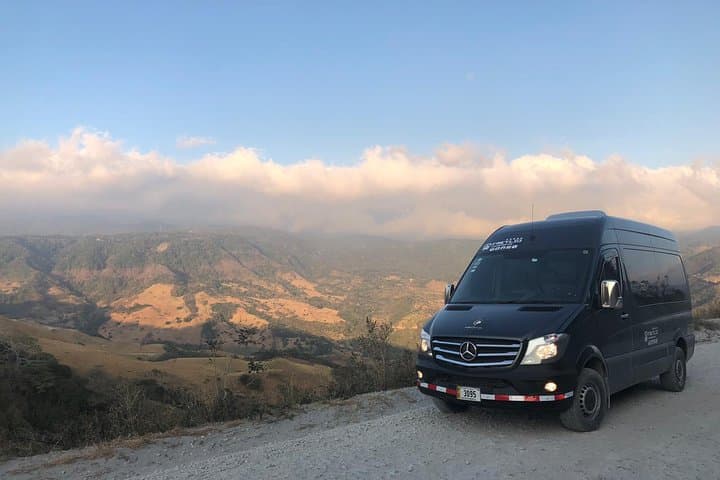

You step onto the air‑conditioned minivan as San José’s traffic thins and the landscape loosens its grip—coffee farms give way to palm‑dotted hills and the Pacific draws nearer, a low, constant promise on the horizon.
You step onto the air‑conditioned minivan as San José’s traffic thins and the landscape loosens its grip—coffee farms give way to palm‑dotted hills and the Pacific draws nearer, a low, constant promise on the horizon.
The route linking Costa Rica’s central valley to the Central Pacific has roots in the country’s mid‑20th‑century road expansion that opened Manuel Antonio to visitors; geology here shifts from volcanic uplands to coastal terraces carved by ocean and rain. Local culture along the highway is equally varied: roadside sodas serve casados and fresh fruit, while bilingual drivers double as informal guides, flagging wildlife and town names as you pass.
Manuel Antonio itself sits on a small headland of humid forest and beaches where the Pacific tugs at rocky points and mangroves nibble at estuaries. Expect monkeys, scarlet macaws, and the occasional lazy sloth in the roadside canopy if you’re watchful.
Practical guidance: shared shuttles are door‑to‑door for most hotels but sometimes require a short taxi transfer if your lodging sits off the main route. Trips typically take 3.5–4.5 hours depending on traffic; morning and afternoon departures have different minimum passenger requirements. Services include onboard Wi‑Fi, a short restroom/snack stop, and occasional vehicle changes. Be ready 15 minutes before pickup, confirm exact pickup/drop locations in advance, and pack a small daypack with water, sunscreen, and motion‑sickness remedies. Keep important documents and devices with you; larger luggage is stored in the hold. With reliable drivers and scheduled stops, the shuttle is a practical way to move between Costa Rica’s capital energy and the relaxed coastal forests of Manuel Antonio.