THE ADVENTURE COLLECTIVE® · Independent discovery and booking for outdoor travel

A convenient shared shuttle connects San José and Manuel Antonio in about four hours, blending practical door-to-door service with scenic coastal and highland views. Expect air-conditioned minibuses, bilingual drivers, onboard Wi‑Fi and a short rest stop en route.
A convenient shared shuttle connects San José and Manuel Antonio in about four hours, blending practical door-to-door service with scenic coastal and highland views. Expect air-conditioned minibuses, bilingual drivers, onboard Wi‑Fi and a short rest stop en route.
The van hums to life in San José before the city drops away and the road climbs toward the Central Valley foothills. Windows frame coffee terraces that tilt down into river-cut ravines, then open onto a stretch of coast where the Pacific glints and the air tastes of salt and heat. On this shared shuttle you travel like a local: bilingual drivers who know the route, air-conditioned minibuses, and a steady rhythm of short stops where the road stretches its legs and you stretch yours.
Verified experiences and guided adventures in the surrounding area.
Operated by Faro Travel Costa Rica · Manuel Antonio, Puntarenas
The van hums to life in San José before the city drops away and the road climbs toward the Central Valley foothills. Windows frame coffee terraces that tilt down into river-cut ravines, then open onto a stretch of coast where the Pacific glints and the air tastes of salt and heat. On this shared shuttle you travel like a local: bilingual drivers who know the route, air-conditioned minibuses, and a steady rhythm of short stops where the road stretches its legs and you stretch yours.
The drive traces a corridor of Costa Rican history — from agricultural estates that fed the capital to the coastal towns that grew into surf and nature destinations in the late 20th century. Geologically, the route slips off the volcanic highlands, negotiating folds and ridges before easing onto the coastal plain that holds Manuel Antonio and Quepos. Culturally, you’ll pass roadside sodas serving casados, and small towns where fishing and ecotourism share the economy.
Practically: the trip is scheduled around four hours but varies with traffic; the operator provides onboard Wi‑Fi, bottled water, and door-to-door stops in main hotel zones. Expect a 10‑minute restroom/snack break and possibly a vehicle change on longer routes. Confirm exact pickup/drop-off points and be ready 15 minutes early; drivers will wait a maximum of 10 minutes. Pack motion‑sickness remedies if you’re sensitive to winding mountain roads, bring sun protection for the coastal stretches, and keep conservation in mind — Manuel Antonio National Park charges entry fees that support habitat protection. This shuttle is a straightforward, economical link between the capital and one of Costa Rica’s most visited coastal parks.
easy.
3–4 hours.
No special fitness required; passengers should be able to enter and exit a minivan and manage carry-on luggage.
The listed duration is about 4 hours, but actual travel time varies with traffic and pickup stops; plan for 3–5 hours on busy travel days.
Door-to-door service covers most main hotel zones; if your lodging is outside the main area you may need a short taxi transfer to the designated pickup point.
Standard carry-on and one medium suitcase are typical; confirm any oversized items with the operator when booking.
Drivers will wait up to 10 minutes. If you miss that window you may be considered a no‑show and charged in full—contact the operator immediately using the booking contact details.
Manuel Antonio’s coastal town grew alongside mid-20th century fishing communities and later expanded in the 1970s and ’80s with tourism tied to the national park established in 1972.
Manuel Antonio National Park operates entry fees and strict wildlife rules to protect fragile coastal rainforest; visitors should stay on trails and never feed animals.
Faro Travel Costa Rica operates guided outdoor trips and adventures with an emphasis on safety, stewardship, and memorable experiences.
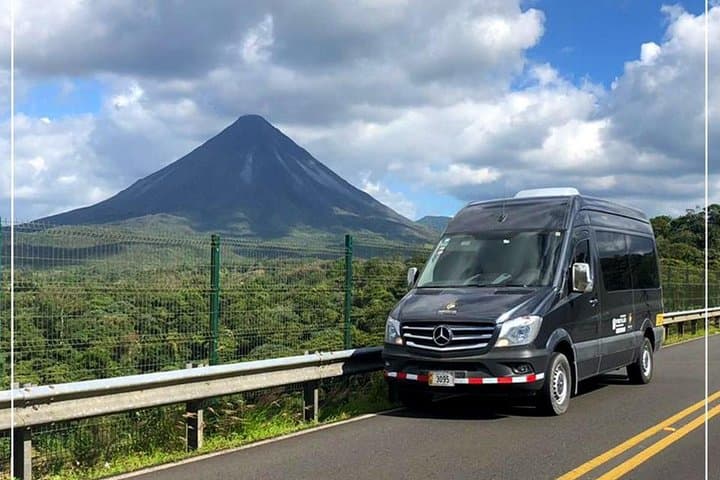
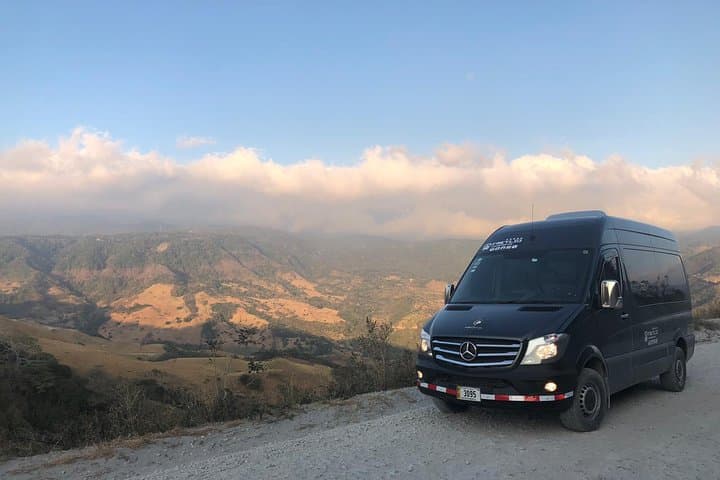
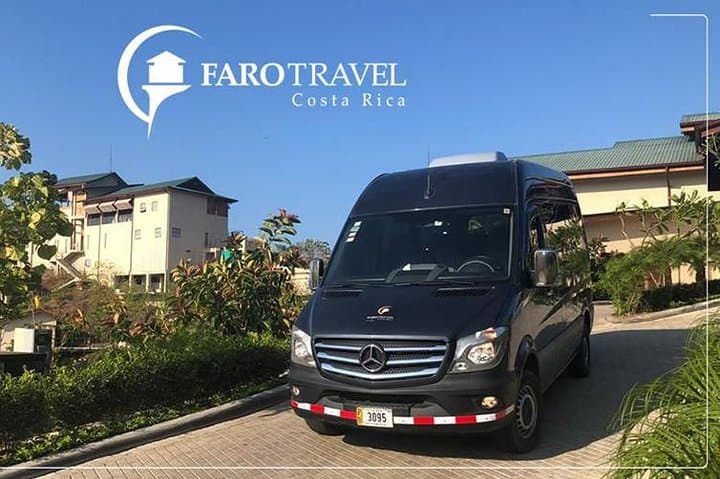
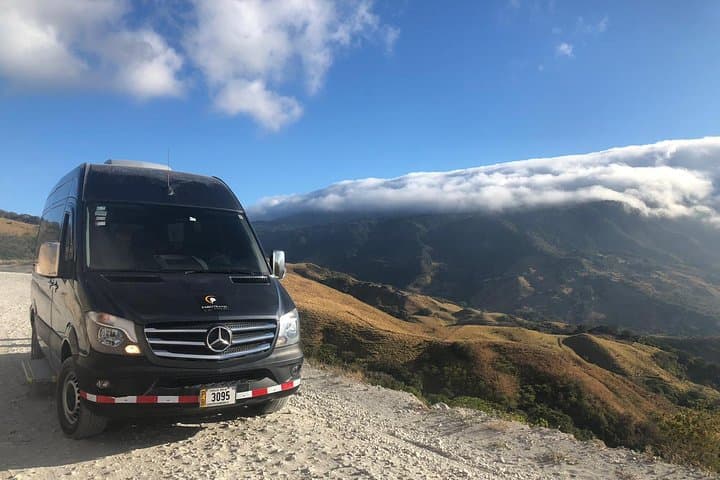
The van hums to life in San José before the city drops away and the road climbs toward the Central Valley foothills. Windows frame coffee terraces that tilt down into river-cut ravines, then open onto a stretch of coast where the Pacific glints and the air tastes of salt and heat. On this shared shuttle you travel like a local: bilingual drivers who know the route, air-conditioned minibuses, and a steady rhythm of short stops where the road stretches its legs and you stretch yours.
The van hums to life in San José before the city drops away and the road climbs toward the Central Valley foothills. Windows frame coffee terraces that tilt down into river-cut ravines, then open onto a stretch of coast where the Pacific glints and the air tastes of salt and heat. On this shared shuttle you travel like a local: bilingual drivers who know the route, air-conditioned minibuses, and a steady rhythm of short stops where the road stretches its legs and you stretch yours.
The drive traces a corridor of Costa Rican history — from agricultural estates that fed the capital to the coastal towns that grew into surf and nature destinations in the late 20th century. Geologically, the route slips off the volcanic highlands, negotiating folds and ridges before easing onto the coastal plain that holds Manuel Antonio and Quepos. Culturally, you’ll pass roadside sodas serving casados, and small towns where fishing and ecotourism share the economy.
Practically: the trip is scheduled around four hours but varies with traffic; the operator provides onboard Wi‑Fi, bottled water, and door-to-door stops in main hotel zones. Expect a 10‑minute restroom/snack break and possibly a vehicle change on longer routes. Confirm exact pickup/drop-off points and be ready 15 minutes early; drivers will wait a maximum of 10 minutes. Pack motion‑sickness remedies if you’re sensitive to winding mountain roads, bring sun protection for the coastal stretches, and keep conservation in mind — Manuel Antonio National Park charges entry fees that support habitat protection. This shuttle is a straightforward, economical link between the capital and one of Costa Rica’s most visited coastal parks.