THE ADVENTURE COLLECTIVE® · Independent discovery and booking for outdoor travel

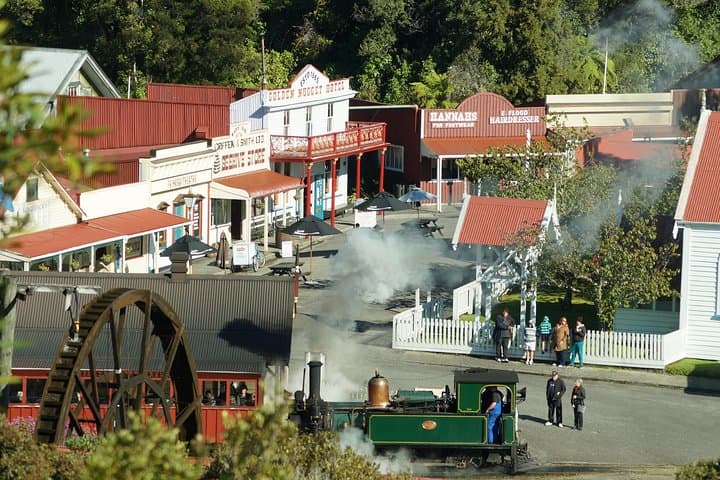
Ride a steam train through native rainforest, try your hand at gold‑panning, and explore more than 30 recreated 19th‑century buildings at Shantytown Heritage Park. This accessible, family‑friendly living museum delivers hands‑on demonstrations and short walks close to Greymouth.
Ride a steam train through native rainforest, try your hand at gold‑panning, and explore more than 30 recreated 19th‑century buildings at Shantytown Heritage Park. This accessible, family‑friendly living museum delivers hands‑on demonstrations and short walks close to Greymouth.
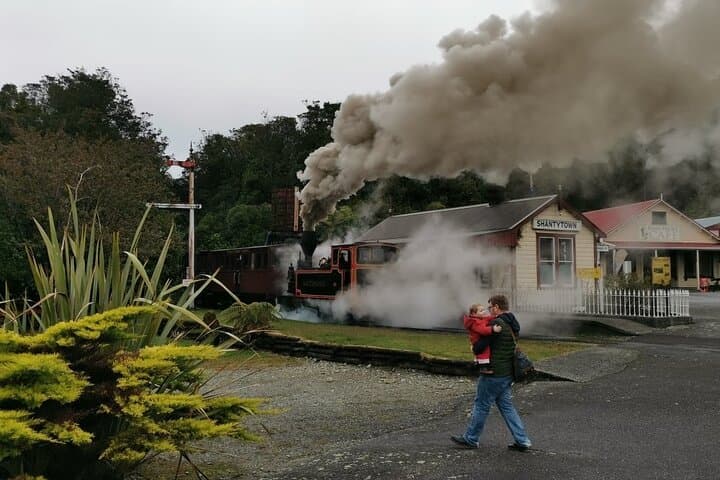
Steam hisses as the train leaves the station, iron wheels clacking a rhythm that belongs to another century. The air is cool and green here; rainforest slopes press close to the track and the scent of damp wood and coal follows visitors through the gates.
Verified experiences and guided adventures in the surrounding area.
Operated by Shantytown Heritage Park · Greymouth, West Coast
Steam hisses as the train leaves the station, iron wheels clacking a rhythm that belongs to another century. The air is cool and green here; rainforest slopes press close to the track and the scent of damp wood and coal follows visitors through the gates.
Shantytown Heritage Park reconstructs a West Coast gold‑rush settlement, and walking its streets feels like stepping into a working film set where sawmills creak and sluice guns throw clouds of dust. Founded as a living museum, Shantytown interprets late‑1800s mining and timber industries that shaped Greymouth and the surrounding coastline.
Geologically the area sits on river‑laid gravels that once hosted gold-bearing deposits; the landscape still remembers sluiced channels and prospectors' claims. Local culture blends Māori and settler histories—exhibits highlight the hard labor and community life that sustained the town.
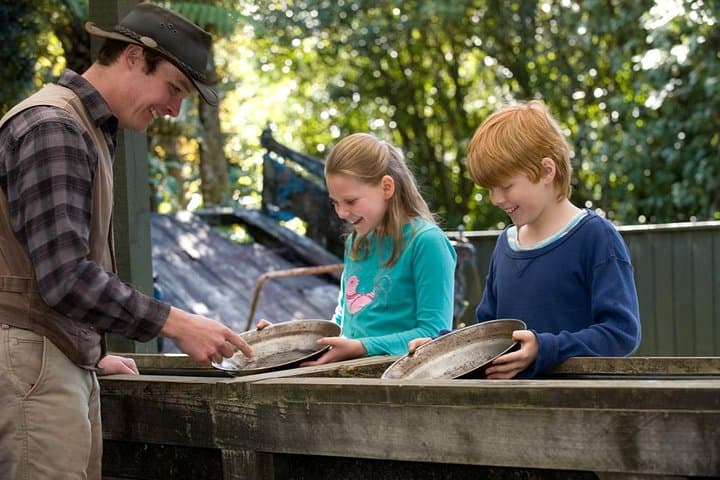
Visitors can ride a short steam train through native forest, watch a working sawmill demonstration, and pan for gold at the claim where staff teach traditional techniques; a pan is inexpensive and a strike is usually guaranteed. Expect pathways of compacted dirt and boardwalks, modest elevation change, and facilities including a cafe, toilets and a small playground.
Plan to time your visit around train departures (11:00, 12:30, 14:00). Bring a waterproof layer, sturdy shoes, and small change for the gold‑panning and cafe. Allow 90–180 minutes for a full visit, arrive early on busy summer days, and stick to marked paths to protect fragile native flora. Photography is welcome; drone use is restricted—ask staff before flying, please.
easy.
1–4 hours.
Suitable for all fitness levels; involves light walking on mostly level paths and some boardwalks.
Plan 90–180 minutes to ride the train, watch key demonstrations and pan for gold; full exploration of all buildings can take longer.
Yes—train services and many main paths are wheelchair accessible; contact staff at arrival for assistance.
Gold panning typically costs around NZD 7 per pan on site; staff offer instruction and pans commonly yield small flakes or 'strikes.'
Yes—Shantytown has a cafe and public toilets on site; a licensed bar and picnic areas are also available during opening hours.
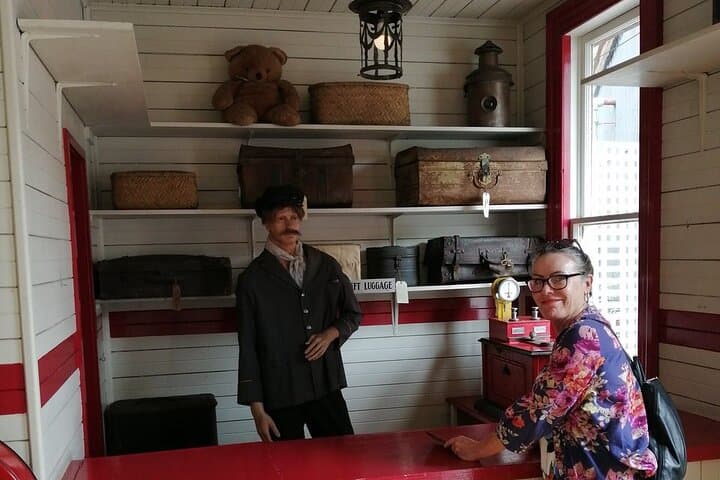
Shantytown preserves West Coast gold‑rush and timber industry heritage from the late 1800s, recreating buildings and working equipment to demonstrate daily life during that era.
The park supports native revegetation and pest control; visitors are asked to stay on paths, pack out waste, and avoid disturbing wildlife or historic structures.
Shantytown Heritage Park operates guided outdoor trips and adventures with an emphasis on safety, stewardship, and memorable experiences.
Steam hisses as the train leaves the station, iron wheels clacking a rhythm that belongs to another century. The air is cool and green here; rainforest slopes press close to the track and the scent of damp wood and coal follows visitors through the gates.
Steam hisses as the train leaves the station, iron wheels clacking a rhythm that belongs to another century. The air is cool and green here; rainforest slopes press close to the track and the scent of damp wood and coal follows visitors through the gates.
Shantytown Heritage Park reconstructs a West Coast gold‑rush settlement, and walking its streets feels like stepping into a working film set where sawmills creak and sluice guns throw clouds of dust. Founded as a living museum, Shantytown interprets late‑1800s mining and timber industries that shaped Greymouth and the surrounding coastline.
Geologically the area sits on river‑laid gravels that once hosted gold-bearing deposits; the landscape still remembers sluiced channels and prospectors' claims. Local culture blends Māori and settler histories—exhibits highlight the hard labor and community life that sustained the town.
Visitors can ride a short steam train through native forest, watch a working sawmill demonstration, and pan for gold at the claim where staff teach traditional techniques; a pan is inexpensive and a strike is usually guaranteed. Expect pathways of compacted dirt and boardwalks, modest elevation change, and facilities including a cafe, toilets and a small playground.
Plan to time your visit around train departures (11:00, 12:30, 14:00). Bring a waterproof layer, sturdy shoes, and small change for the gold‑panning and cafe. Allow 90–180 minutes for a full visit, arrive early on busy summer days, and stick to marked paths to protect fragile native flora. Photography is welcome; drone use is restricted—ask staff before flying, please.