
Shangri-La Private Scenic Drive from Lijiang — Tiger Leaping Gorge, Haba & Meili
Drive a dramatic corridor between Lijiang and Shangri‑La, stopping at Tiger Leaping Gorge, Haba Snow Mountain, Pudacuo National Park and Meili’s golden sunrise. This private multi‑day route mixes cinematic geology, Tibetan and Naxi culture, and high‑altitude nature.
An Adventure In Lijiang.
Drive a dramatic corridor between Lijiang and Shangri‑La, stopping at Tiger Leaping Gorge, Haba Snow Mountain, Pudacuo National Park and Meili’s golden sunrise. This private multi‑day route mixes cinematic geology, Tibetan and Naxi culture, and high‑altitude nature.
Read the full experience
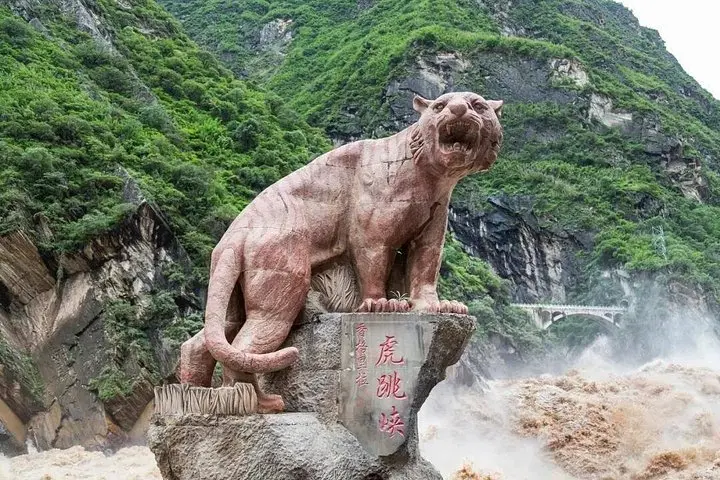
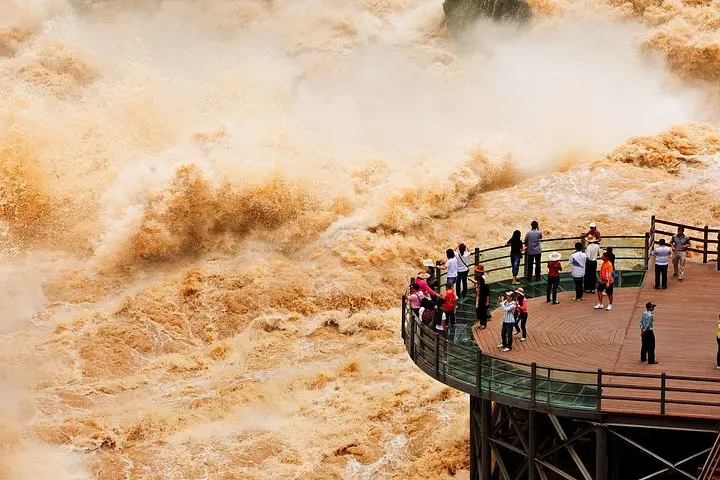
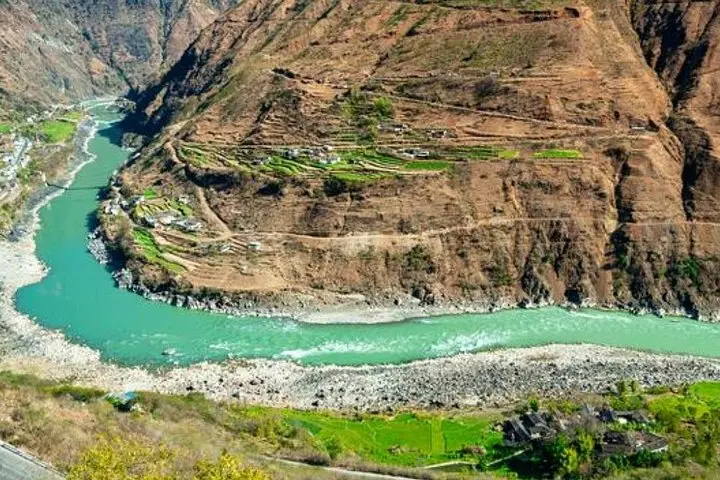
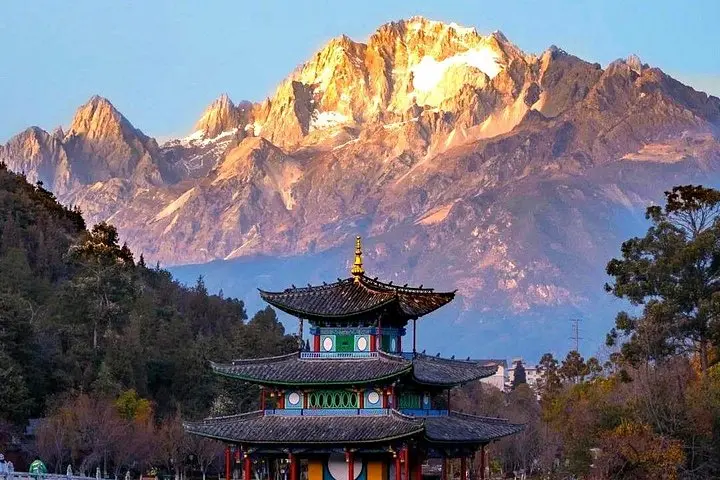
The road lifts and falls like a ribbon of asphalt between soaring peaks and a river that seems to dare you to keep watching. On the drive from Lijiang to Shangri‑La, observation decks at Tiger Leaping Gorge frame the Jinsha River as it hammers through a narrow canyon; Haba Snow Mountain and Jade Dragon Snow Mountain stand like watchful guardians while terraced limestone pools glow in the sun.
The road lifts and falls like a ribbon of asphalt between soaring peaks and a river that seems to dare you to keep watching. On the drive from Lijiang to Shangri‑La, observation decks at Tiger Leaping Gorge frame the Jinsha River as it hammers through a narrow canyon; Haba Snow Mountain and Jade Dragon Snow Mountain stand like watchful guardians while terraced limestone pools glow in the sun.
This corridor sits on the eastern edge of the Tibetan Plateau where tectonic uplift and river incision carved dramatic canyons and alpine ridges. Human history here blends Naxi and Tibetan culture — wooden Naxi houses in Haba Village, ancient trade stops such as Benzilan on the old Tea‑Horse Road, and Songzanlin Monastery’s 17th‑century architecture testify to centuries of pilgrimage and cross‑cultural exchange.
Expect a multi‑day rhythm: long drives with frequent photo and short walking stops, a morning ascent for Meili Snow Mountain’s golden sunrise, and calmer days exploring Napahai wetlands and Pudacuo’s highland lakes. Altitude rises quickly — some passes sit above 3,000 m — so pace yourself, hydrate, and allow time to acclimatize.
Practical edge: plan early starts for clear mountain light, carry layered clothing for large temperature swings, and bring cash for small village shops. Private transport makes timing flexible, but weather can close high passes; build an extra day if you want the Meili sunrise. This trip suits travelers who want cinematic mountain scenery, meaningful cultural stops, and a vehicle‑based route that still leaves room for short hikes and wildlife watching.
Frequently asked questions
Yes — park entrance tickets are required at Pudacuo (Potatso) National Park and are typically purchased on arrival at the park gate or via official vendors.
High passes and viewing points are weather‑dependent; heavy snow or rain can reduce visibility or close roads, so flexibility and extra days are recommended.
Children can join but infants must sit on laps in the vehicle; travelers with cardiovascular issues should avoid high altitudes without medical advice.
Private options commonly include English‑speaking guides; confirm language and guide availability when booking.
About This Experience
Yunnan Tours operates guided outdoor trips and adventures with an emphasis on safety, stewardship, and memorable experiences.
Adventure tips
Recommended gear
- Layered clothing (base, insulating, shell): Temperature swings between valleys and passes are large; layers allow quick adjustment.
- Sturdy trail shoes: Useful for observation decks, short trails, and uneven village streets.
- Daypack with water and snacks: Keeps hydration and essentials handy during short stops and walks.
- Camera with polarizing filter: Polarizer reduces glare on alpine lakes and enhances the dramatic sky and ridgelines.
Photos of the experience
Related adventures & guides
Read the full experience
The road lifts and falls like a ribbon of asphalt between soaring peaks and a river that seems to dare you to keep watching. On the drive from Lijiang to Shangri‑La, observation decks at Tiger Leaping Gorge frame the Jinsha River as it hammers through a narrow canyon; Haba Snow Mountain and Jade Dragon Snow Mountain stand like watchful guardians while terraced limestone pools glow in the sun.
The road lifts and falls like a ribbon of asphalt between soaring peaks and a river that seems to dare you to keep watching. On the drive from Lijiang to Shangri‑La, observation decks at Tiger Leaping Gorge frame the Jinsha River as it hammers through a narrow canyon; Haba Snow Mountain and Jade Dragon Snow Mountain stand like watchful guardians while terraced limestone pools glow in the sun.
This corridor sits on the eastern edge of the Tibetan Plateau where tectonic uplift and river incision carved dramatic canyons and alpine ridges. Human history here blends Naxi and Tibetan culture — wooden Naxi houses in Haba Village, ancient trade stops such as Benzilan on the old Tea‑Horse Road, and Songzanlin Monastery’s 17th‑century architecture testify to centuries of pilgrimage and cross‑cultural exchange.
Expect a multi‑day rhythm: long drives with frequent photo and short walking stops, a morning ascent for Meili Snow Mountain’s golden sunrise, and calmer days exploring Napahai wetlands and Pudacuo’s highland lakes. Altitude rises quickly — some passes sit above 3,000 m — so pace yourself, hydrate, and allow time to acclimatize.
Practical edge: plan early starts for clear mountain light, carry layered clothing for large temperature swings, and bring cash for small village shops. Private transport makes timing flexible, but weather can close high passes; build an extra day if you want the Meili sunrise. This trip suits travelers who want cinematic mountain scenery, meaningful cultural stops, and a vehicle‑based route that still leaves room for short hikes and wildlife watching.
Make a day of it nearby.
Verified experiences and guided adventures in the surrounding area.