THE ADVENTURE COLLECTIVE® · Independent discovery and booking for outdoor travel

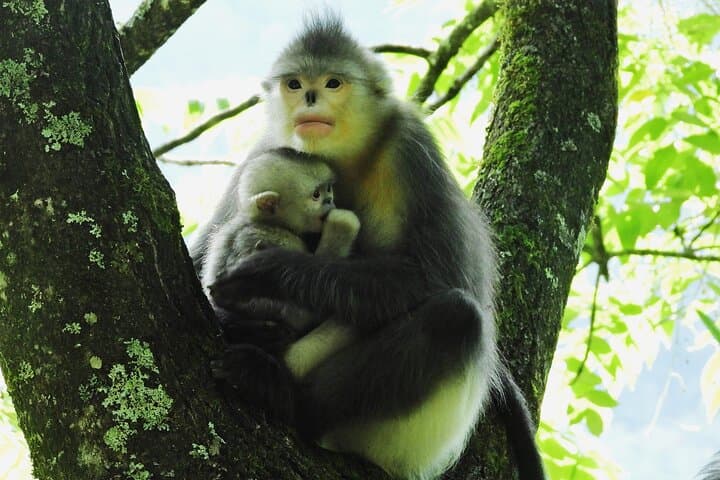
Follow hidden forest trails from Lashi Wetlands to Baima Snow Mountain to encounter the endangered Yunnan snub‑nosed monkey and engage in hands-on conservation. Expect alpine vistas, ethnic village markets, and citizen‑science camera work on this two‑day, privately guided trek.
Follow hidden forest trails from Lashi Wetlands to Baima Snow Mountain to encounter the endangered Yunnan snub‑nosed monkey and engage in hands-on conservation. Expect alpine vistas, ethnic village markets, and citizen‑science camera work on this two‑day, privately guided trek.
A thin alpine breeze carries the scent of pine and yak dung as you step from a family-run guesthouse into the high meadows outside Shangri‑La. Lashi Wetlands lie like a mirror below the plateau, waterbirds probing the shallows while the Yangtze makes its famed first bend — a river that dares you to find the viewpoint that frames it perfectly.
Verified experiences and guided adventures in the surrounding area.
Operated by Cloud Mountain Ecotours · Shangri-La (Zhongdian), Yunnan
A thin alpine breeze carries the scent of pine and yak dung as you step from a family-run guesthouse into the high meadows outside Shangri‑La. Lashi Wetlands lie like a mirror below the plateau, waterbirds probing the shallows while the Yangtze makes its famed first bend — a river that dares you to find the viewpoint that frames it perfectly.
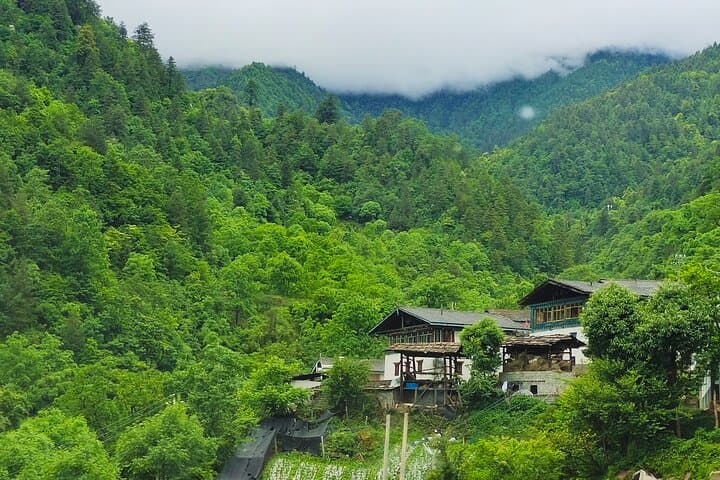
This short expedition moves fast: wetlands and birding, a quick hike to the First Bend at Shigu, market stalls in a Ming-era town, a hands-on visit to a Himalayan bee farm, and then deeper into the Laojun and Baima Snow Mountain reserves where the endangered Yunnan snub‑nosed monkey lives. Geologically, the area is the eastern edge of the Tibetan Plateau; glaciated ridges and uplifted limestone create steep valleys and ancient primeval forests. Culturally, Tibetan, Naxi and Lisu communities shape the rhythms of daily life here, from prayer flags to market barter.
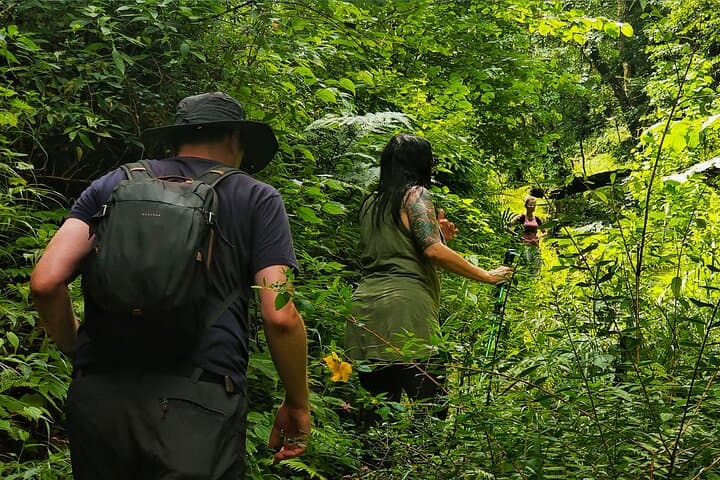
Practically: expect altitude (3,200–3,400 m), rocky singletrack and muddy forest paths, short viewpoint hikes of 1–3 km with 100–300 m gains, and a longer forest route of roughly 6–8 km with up to 600 m gain. Trails can be uneven and wet; binoculars and a telephoto lens pay dividends at monkey viewing hides. Hydrate, move deliberately to manage altitude, and plan for sudden weather shifts — sun and sleet can arrive in the same hour. The trip pairs wildlife observation with meaningful conservation work: you’ll help set camera traps and learn from rangers, turning a visit into stewardship.
moderate.
2 days.
Moderately fit—comfortable walking 5–8 km on uneven terrain and handling short climbs at altitude.
The itinerary includes guided viewing at known troop areas and hides; sightings are common on this route but not guaranteed—timing, weather and animal movement affect visibility.
Standard travel vaccinations for China apply; no special permits are required for visitors on guided conservation tours, though park entry fees and protected-area rules are enforced.
Base elevations are around 3,200–3,400 m; mild altitude symptoms are possible—acclimatize, hydrate, and avoid overexertion on day one.
Accommodations are private twin rooms in family-run guesthouses offering simple, locally prepared meals—comfortable but rustic compared with city hotels.
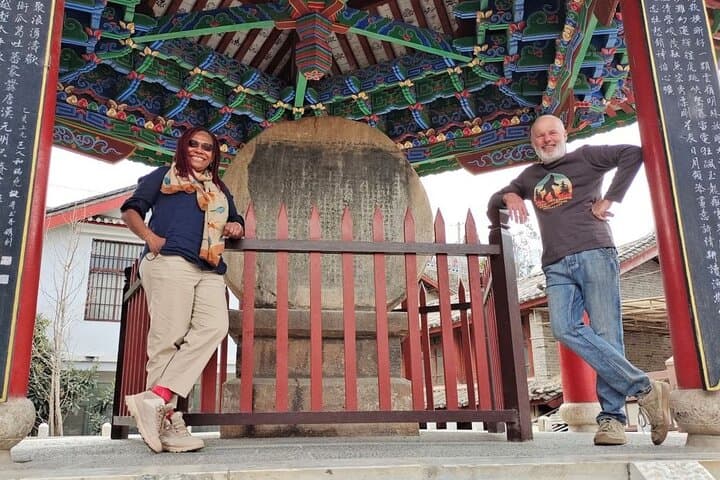
Shigu and surrounding settlements sit along historic trade routes; the First Bend has been a strategic and cultural landmark since at least the Ming era.
Conservation here combines community livelihoods and science—camera traps and ranger patrols protect critical habitat while eco-tourism provides local income and monitoring support.
Cloud Mountain Ecotours operates guided outdoor trips and adventures with an emphasis on safety, stewardship, and memorable experiences.
A thin alpine breeze carries the scent of pine and yak dung as you step from a family-run guesthouse into the high meadows outside Shangri‑La. Lashi Wetlands lie like a mirror below the plateau, waterbirds probing the shallows while the Yangtze makes its famed first bend — a river that dares you to find the viewpoint that frames it perfectly.
A thin alpine breeze carries the scent of pine and yak dung as you step from a family-run guesthouse into the high meadows outside Shangri‑La. Lashi Wetlands lie like a mirror below the plateau, waterbirds probing the shallows while the Yangtze makes its famed first bend — a river that dares you to find the viewpoint that frames it perfectly.
This short expedition moves fast: wetlands and birding, a quick hike to the First Bend at Shigu, market stalls in a Ming-era town, a hands-on visit to a Himalayan bee farm, and then deeper into the Laojun and Baima Snow Mountain reserves where the endangered Yunnan snub‑nosed monkey lives. Geologically, the area is the eastern edge of the Tibetan Plateau; glaciated ridges and uplifted limestone create steep valleys and ancient primeval forests. Culturally, Tibetan, Naxi and Lisu communities shape the rhythms of daily life here, from prayer flags to market barter.
Practically: expect altitude (3,200–3,400 m), rocky singletrack and muddy forest paths, short viewpoint hikes of 1–3 km with 100–300 m gains, and a longer forest route of roughly 6–8 km with up to 600 m gain. Trails can be uneven and wet; binoculars and a telephoto lens pay dividends at monkey viewing hides. Hydrate, move deliberately to manage altitude, and plan for sudden weather shifts — sun and sleet can arrive in the same hour. The trip pairs wildlife observation with meaningful conservation work: you’ll help set camera traps and learn from rangers, turning a visit into stewardship.