THE ADVENTURE COLLECTIVE® · Independent discovery and booking for outdoor travel

Ride the bullet train from Shanghai to explore Confucius’ Qufu and climb Mount Tai by cable car over two days. This private tour pairs world heritage sites with panoramic mountain views and local cuisine.
Ride the bullet train from Shanghai to explore Confucius’ Qufu and climb Mount Tai by cable car over two days. This private tour pairs world heritage sites with panoramic mountain views and local cuisine.
Morning light on the high-speed rail blurs city edges into fields, and four hours later you step into the quieter, stone-lined lanes of Qufu. The first day moves at the pace of history: courtyards, roof tiles, and the slow geometry of Confucian ritual. Pine trees watch the courtyards; inscriptions and steles hold the voices of scholars.
Verified experiences and guided adventures in the surrounding area.
Operated by Unique Beijing Tours · Tai'an, Shandong
Morning light on the high-speed rail blurs city edges into fields, and four hours later you step into the quieter, stone-lined lanes of Qufu. The first day moves at the pace of history: courtyards, roof tiles, and the slow geometry of Confucian ritual. Pine trees watch the courtyards; inscriptions and steles hold the voices of scholars.
Qufu’s Temple of Confucius, the Kong Family Mansion and the Confucius Cemetery trace more than two millennia of Chinese intellectual life. The temple complex — rebuilt repeatedly across dynasties — reads like an architectural ledger: yellow tiles, red walls, hundreds of preserved halls. The family mansion, once a working household for Confucius’ descendants, and the so‑called Forest of Confucius cemetery, with its thousands of trees and ancient tombstones, reveal the social reach of Confucian tradition.
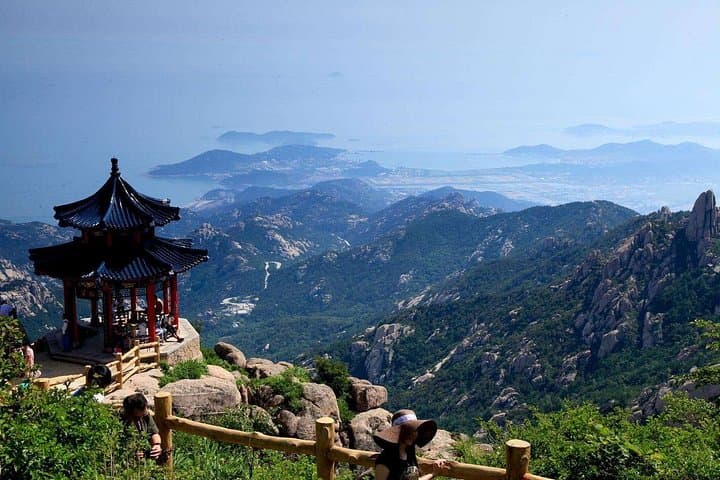
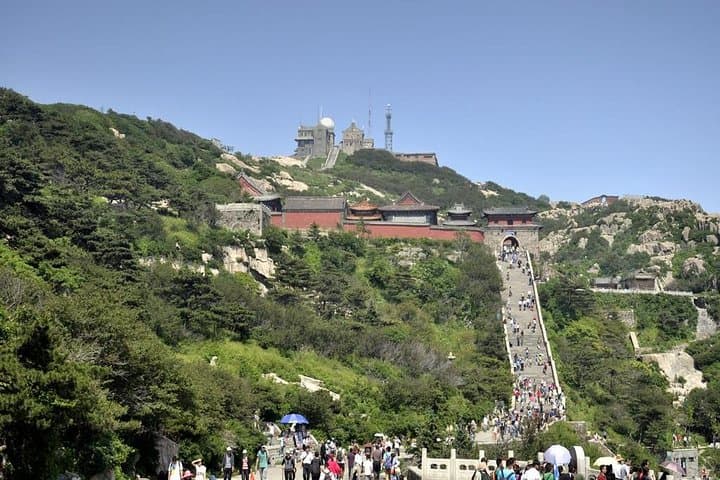
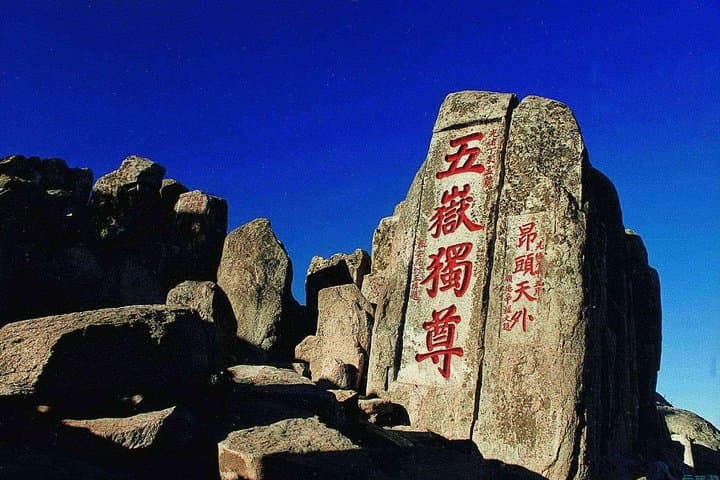
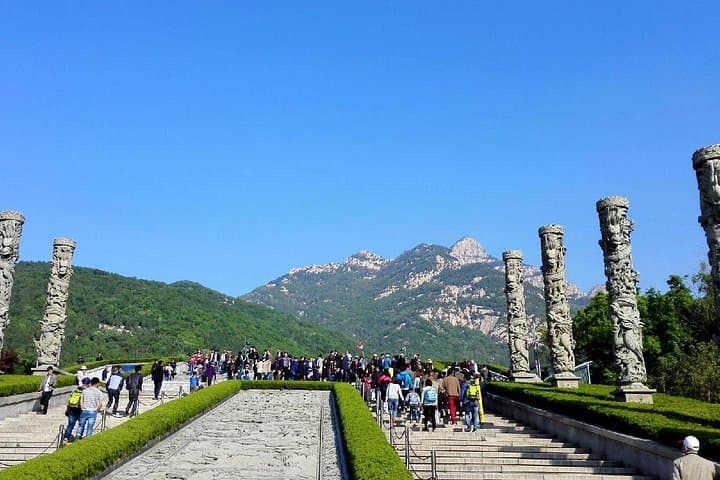
Day two focuses on Mount Tai (Taishan), a geological spine of granite and carved steps that ancient pilgrims and emperors climbed to claim legitimacy. A shuttle and a panoramic cable car cut the most strenuous ascent, dropping you near South Heaven Gate and Jade Emperor Peak where stone inscriptions and Taoist temples stand on exposed granite.
Practical guidance: expect moderate walking on uneven stone and paved paths, stair sections if you opt to explore beyond cable car endpoints, and variable weather — sun can be sudden, wind can slice. Bring rechargers and comfortable footwear; plan for two full travel days with hotel in Qufu and return by bullet train. The trip blends cultural depth with the elemental drama of Taishan’s granite ridgelines.
easy.
2 days.
Suitable for travelers in light to moderate fitness: short to medium walking on uneven ground, mostly accessible via transport and cable car
Yes — round-trip bullet train tickets between Shanghai and Tai'an are included in the tour package.
Yes — when booking you can choose to finish your tour in Tai’an, Qufu, or return to Shanghai as offered by the operator.
The tour uses shuttle buses and a panoramic cable car to avoid much of the climb; however short walks at altitude and steps near the summit are part of the visit.
Yes — the tour includes an English-speaking private guide for both days.
Qufu’s Confucian sites date to the 5th century BC and expanded through imperial patronage; Mount Tai has been a site of imperial pilgrimage and Taoist practice for millennia.
Both Qufu and Mount Tai manage visitor flow to protect delicate stonework and temple structures; stick to marked paths and avoid littering to reduce wear on heritage sites.
Unique Beijing Tours operates guided outdoor trips and adventures with an emphasis on safety, stewardship, and memorable experiences.
Morning light on the high-speed rail blurs city edges into fields, and four hours later you step into the quieter, stone-lined lanes of Qufu. The first day moves at the pace of history: courtyards, roof tiles, and the slow geometry of Confucian ritual. Pine trees watch the courtyards; inscriptions and steles hold the voices of scholars.
Morning light on the high-speed rail blurs city edges into fields, and four hours later you step into the quieter, stone-lined lanes of Qufu. The first day moves at the pace of history: courtyards, roof tiles, and the slow geometry of Confucian ritual. Pine trees watch the courtyards; inscriptions and steles hold the voices of scholars.
Qufu’s Temple of Confucius, the Kong Family Mansion and the Confucius Cemetery trace more than two millennia of Chinese intellectual life. The temple complex — rebuilt repeatedly across dynasties — reads like an architectural ledger: yellow tiles, red walls, hundreds of preserved halls. The family mansion, once a working household for Confucius’ descendants, and the so‑called Forest of Confucius cemetery, with its thousands of trees and ancient tombstones, reveal the social reach of Confucian tradition.
Day two focuses on Mount Tai (Taishan), a geological spine of granite and carved steps that ancient pilgrims and emperors climbed to claim legitimacy. A shuttle and a panoramic cable car cut the most strenuous ascent, dropping you near South Heaven Gate and Jade Emperor Peak where stone inscriptions and Taoist temples stand on exposed granite.
Practical guidance: expect moderate walking on uneven stone and paved paths, stair sections if you opt to explore beyond cable car endpoints, and variable weather — sun can be sudden, wind can slice. Bring rechargers and comfortable footwear; plan for two full travel days with hotel in Qufu and return by bullet train. The trip blends cultural depth with the elemental drama of Taishan’s granite ridgelines.