THE ADVENTURE COLLECTIVE® · Independent discovery and booking for outdoor travel

Cover Shanghai’s landmarks and Chengdu’s panda culture in a compact private itinerary. This four-day tour pairs city skylines, historic water towns, and the towering Leshan Giant Buddha with guided transfers and included lunches.
Cover Shanghai’s landmarks and Chengdu’s panda culture in a compact private itinerary. This four-day tour pairs city skylines, historic water towns, and the towering Leshan Giant Buddha with guided transfers and included lunches.
You step out onto the Bund as the Huangpu River pushes its slow current beneath a skyline of glass and stone. The city's pulse — from the miniature models at the Urban Planning Exhibition Hall to the carved eaves of Yuyuan Garden — frames the first day, a compact primer on Shanghai's architectural and mercantile energy.
Verified experiences and guided adventures in the surrounding area.
Operated by happychinatours · Chengdu, Sichuan
You step out onto the Bund as the Huangpu River pushes its slow current beneath a skyline of glass and stone. The city's pulse — from the miniature models at the Urban Planning Exhibition Hall to the carved eaves of Yuyuan Garden — frames the first day, a compact primer on Shanghai's architectural and mercantile energy.
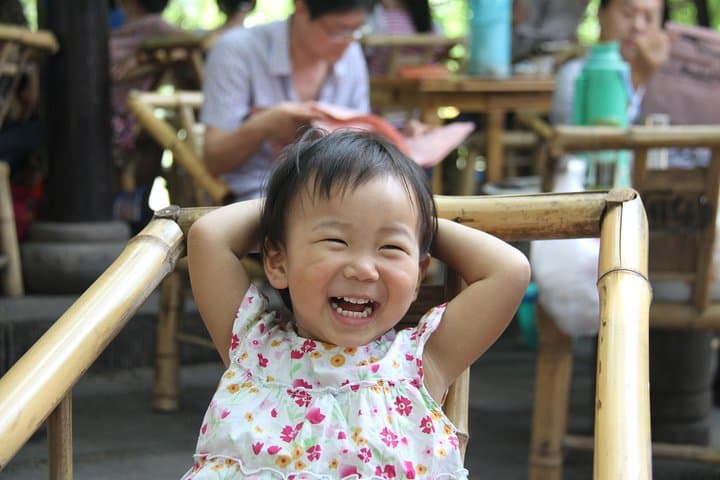
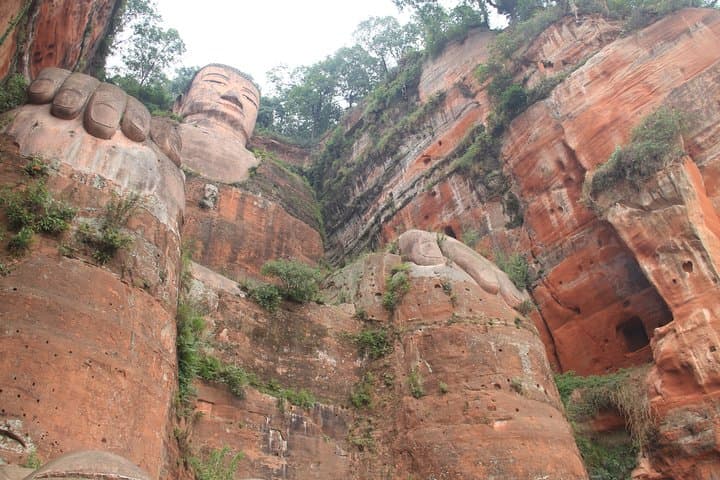
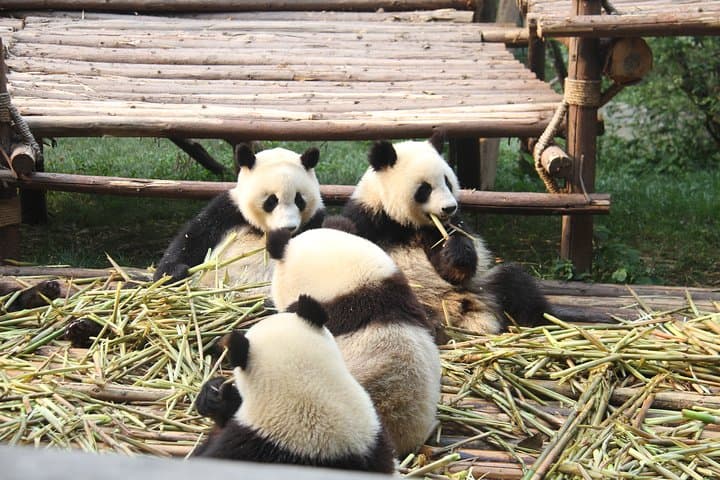
By night you fly west; Chengdu arrives with a different rhythm: tea houses that seem to dare you to slow down, and bamboo-shaded enclosures where pandas chew the afternoon away. The tour folds together Han-dynasty temples, Ming- and Qing-era bridges in Zhujiajiao water town, and the modern vertigo of the Shanghai World Financial Center. On day three the Giant Panda Breeding Research Base offers a close-to-reality look at a species central to China’s conservation story; day four delivers the cliff-carved enormity of the 8th-century Leshan Giant Buddha, a statue hewn to calm river currents and captivate centuries.
Geology matters en route: the Yangtze tributaries carved river valleys that shaped local trade hubs, while Sichuan’s red soils feed the region’s cuisine. Culturally, Chengdu’s teahouse etiquette and Jinli’s folk crafts reveal a calmer, convivial side of Chinese urban life.
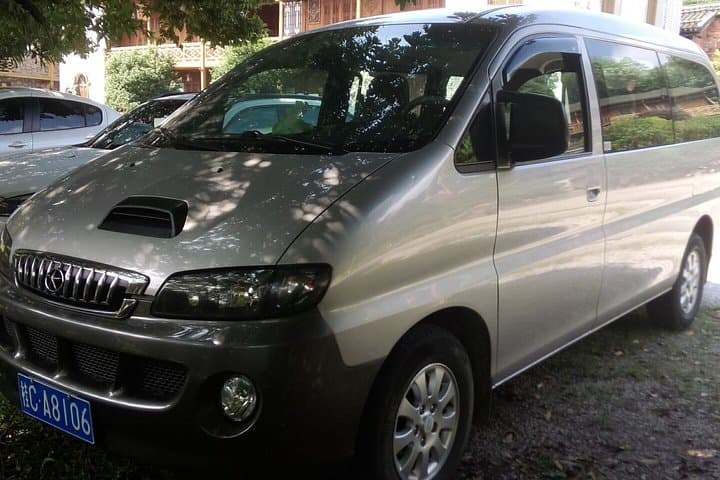
Practical guidance: expect light walking with some stair sections at Leshan and observation decks with elevators but occasional queues. Carry a compact umbrella, passport copy, comfortable shoes, and a small daypack; plan for morning panda visits when animals are most active. The tour uses private vehicles and includes entrance tickets and lunches — ideal for travelers who want curated convenience with room to savor local moments.
easy.
4 days.
Suitable for travelers in light to moderate physical condition; involves city walking and stairs at heritage sites.
Yes; the itinerary includes the economy flight from Shanghai to Chengdu as stated, arranged as part of the package.
The tour is generally easy but includes stairs and uneven surfaces at Leshan and older sites; travelers with significant mobility issues should advise the operator before booking.
Entrance tickets listed in the inclusions and four lunches are included; incidental expenses and optional extras are not covered.
The operator notes that additional days can be added; request changes at booking to confirm availability and pricing.
The Leshan Giant Buddha was carved during the Tang dynasty (8th century) to calm dangerous river currents where three rivers meet; Chengdu itself grew as the cultural and economic center of the ancient Shu kingdom.
Visits to the Panda Base support captive-breeding and education programs; practice low-impact tourism by staying on paths, not feeding wildlife, and choosing local vendors.
happychinatours operates guided outdoor trips and adventures with an emphasis on safety, stewardship, and memorable experiences.
You step out onto the Bund as the Huangpu River pushes its slow current beneath a skyline of glass and stone. The city's pulse — from the miniature models at the Urban Planning Exhibition Hall to the carved eaves of Yuyuan Garden — frames the first day, a compact primer on Shanghai's architectural and mercantile energy.
You step out onto the Bund as the Huangpu River pushes its slow current beneath a skyline of glass and stone. The city's pulse — from the miniature models at the Urban Planning Exhibition Hall to the carved eaves of Yuyuan Garden — frames the first day, a compact primer on Shanghai's architectural and mercantile energy.
By night you fly west; Chengdu arrives with a different rhythm: tea houses that seem to dare you to slow down, and bamboo-shaded enclosures where pandas chew the afternoon away. The tour folds together Han-dynasty temples, Ming- and Qing-era bridges in Zhujiajiao water town, and the modern vertigo of the Shanghai World Financial Center. On day three the Giant Panda Breeding Research Base offers a close-to-reality look at a species central to China’s conservation story; day four delivers the cliff-carved enormity of the 8th-century Leshan Giant Buddha, a statue hewn to calm river currents and captivate centuries.
Geology matters en route: the Yangtze tributaries carved river valleys that shaped local trade hubs, while Sichuan’s red soils feed the region’s cuisine. Culturally, Chengdu’s teahouse etiquette and Jinli’s folk crafts reveal a calmer, convivial side of Chinese urban life.
Practical guidance: expect light walking with some stair sections at Leshan and observation decks with elevators but occasional queues. Carry a compact umbrella, passport copy, comfortable shoes, and a small daypack; plan for morning panda visits when animals are most active. The tour uses private vehicles and includes entrance tickets and lunches — ideal for travelers who want curated convenience with room to savor local moments.