THE ADVENTURE COLLECTIVE® · Independent discovery and booking for outdoor travel

Visit the ITTF and China Table Tennis museums in Shanghai, then step into a local club to play alongside fans or take pro coaching. This 3–4 hour tour blends sport history with hands-on practice for beginners and enthusiasts.
Visit the ITTF and China Table Tennis museums in Shanghai, then step into a local club to play alongside fans or take pro coaching. This 3–4 hour tour blends sport history with hands-on practice for beginners and enthusiasts.
You step through a low glass door into a room where wooden paddles, lacquered trophies and sepia photographs seem to breathe. The air is a mix of polished wood and the faint tang of sweat from a nearby practice hall; a coach calls rhythm into a drill as the city’s hum fades behind thick windows.
Verified experiences and guided adventures in the surrounding area.
Operated by Glopen · Shanghai, Shanghai
You step through a low glass door into a room where wooden paddles, lacquered trophies and sepia photographs seem to breathe. The air is a mix of polished wood and the faint tang of sweat from a nearby practice hall; a coach calls rhythm into a drill as the city’s hum fades behind thick windows.
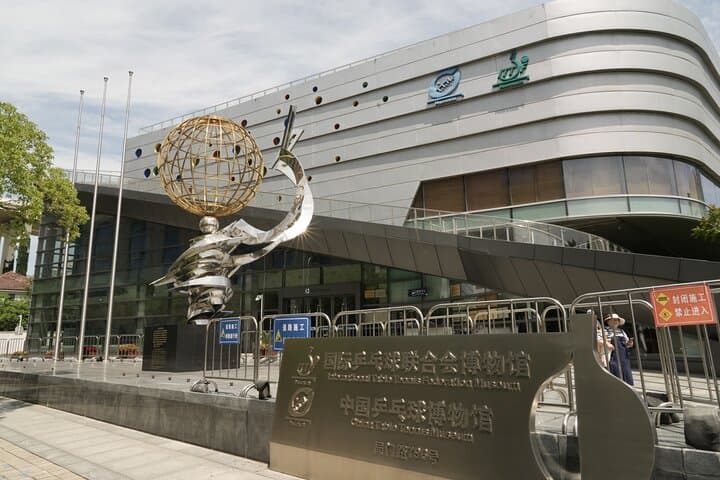
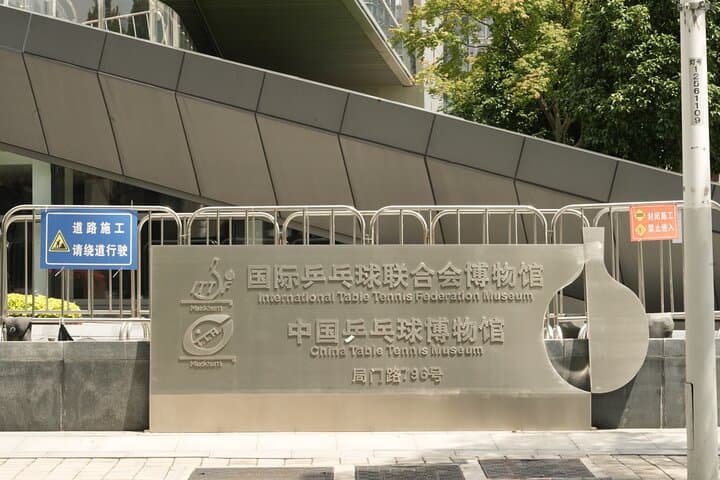
The tour pairs two institutes that chart the sport’s global rise and China’s intimate relationship with ping-pong. Table tennis began in late-19th-century England as parlor sport and matured into an Olympic discipline; in China it became a national obsession after the 1950s, shaping national identity and international diplomacy. Shanghai itself sits on the Yangtze Delta’s flat, engineered plain—an urban stage that framed China’s modern sports infrastructure.
Expect museum displays of uniforms, equipment evolution, and multimedia highlights of landmark matches, then a short transfer to a local club where you’ll rally with your guide. The practice session ranges from casual play with fans to optional professional coaching for extra cost.
Practical notes: aim for comfortable, non-marking sneakers and breathable clothing; museums and clubs are indoors and accessible by metro. Plan 3–4 hours including transit and allow time to watch a training block. Bring a reusable water bottle and basic fitness—quick feet and hand-eye coordination help, but novices are welcome. Book ahead to secure a small-group slot and check for any competition closures at local clubs. Leave room in your schedule to stroll a nearby park or tea house—the city’s quieter corners reveal how sport and daily life intersect here.
moderate.
3–4 hours.
Moderate fitness; quick footwork and short bursts of cardio help, but beginners can participate.
No—sessions accommodate a range of abilities; tell your guide your level so they can match play appropriately.
No—professional training is optional and charged separately; reserve ahead if you want a one-on-one or small-group lesson.
Most sites are accessible by Shanghai metro and short taxi rides; the operator typically provides directions or public-transport options.
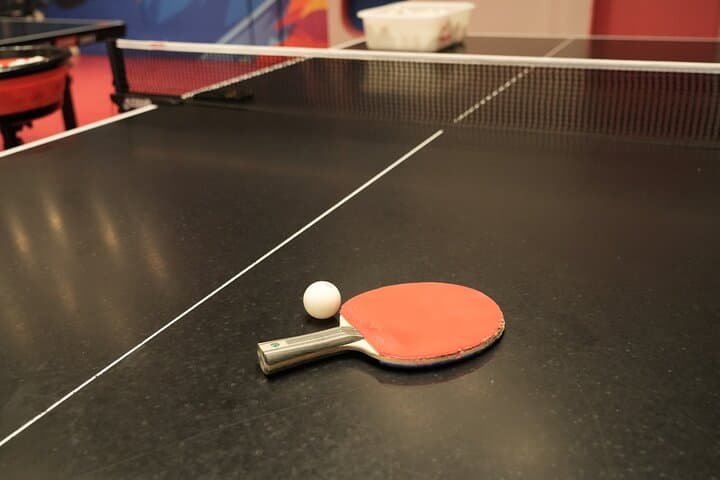
Yes—basic paddles and balls are usually supplied; higher-quality paddles can be brought by participants or rented if available.
Table tennis evolved from Victorian parlor games into an Olympic sport; China became dominant internationally in the second half of the 20th century, shaping both sport and diplomacy.
Museums focus on preserving historic equipment; visitors are encouraged to minimize waste, use existing public transit, and respect club facilities to reduce wear on courts.
Glopen operates guided outdoor trips and adventures with an emphasis on safety, stewardship, and memorable experiences.
You step through a low glass door into a room where wooden paddles, lacquered trophies and sepia photographs seem to breathe. The air is a mix of polished wood and the faint tang of sweat from a nearby practice hall; a coach calls rhythm into a drill as the city’s hum fades behind thick windows.
You step through a low glass door into a room where wooden paddles, lacquered trophies and sepia photographs seem to breathe. The air is a mix of polished wood and the faint tang of sweat from a nearby practice hall; a coach calls rhythm into a drill as the city’s hum fades behind thick windows.
The tour pairs two institutes that chart the sport’s global rise and China’s intimate relationship with ping-pong. Table tennis began in late-19th-century England as parlor sport and matured into an Olympic discipline; in China it became a national obsession after the 1950s, shaping national identity and international diplomacy. Shanghai itself sits on the Yangtze Delta’s flat, engineered plain—an urban stage that framed China’s modern sports infrastructure.
Expect museum displays of uniforms, equipment evolution, and multimedia highlights of landmark matches, then a short transfer to a local club where you’ll rally with your guide. The practice session ranges from casual play with fans to optional professional coaching for extra cost.
Practical notes: aim for comfortable, non-marking sneakers and breathable clothing; museums and clubs are indoors and accessible by metro. Plan 3–4 hours including transit and allow time to watch a training block. Bring a reusable water bottle and basic fitness—quick feet and hand-eye coordination help, but novices are welcome. Book ahead to secure a small-group slot and check for any competition closures at local clubs. Leave room in your schedule to stroll a nearby park or tea house—the city’s quieter corners reveal how sport and daily life intersect here.