THE ADVENTURE COLLECTIVE® · Independent discovery and booking for outdoor travel

Spend 4–8 hours moving between Shanghai’s modern skyline and centuries-old lanes on a private city tour. Expect accessible walking, key landmarks like the Bund and Yuyuan, and practical tips to make the most of a single-day visit.
Spend 4–8 hours moving between Shanghai’s modern skyline and centuries-old lanes on a private city tour. Expect accessible walking, key landmarks like the Bund and Yuyuan, and practical tips to make the most of a single-day visit.
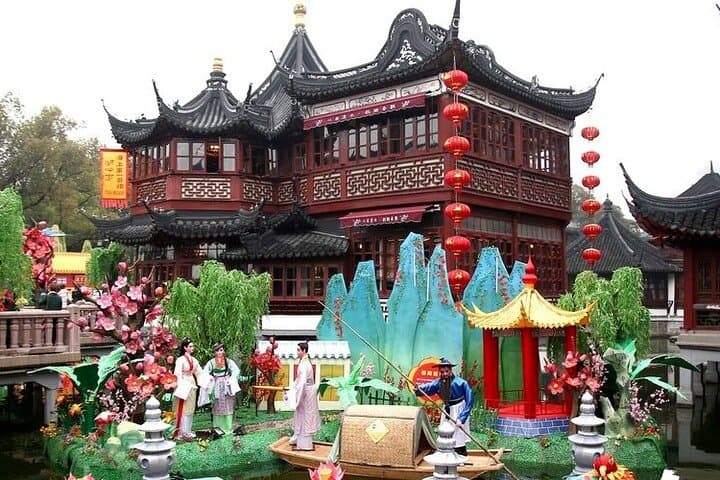
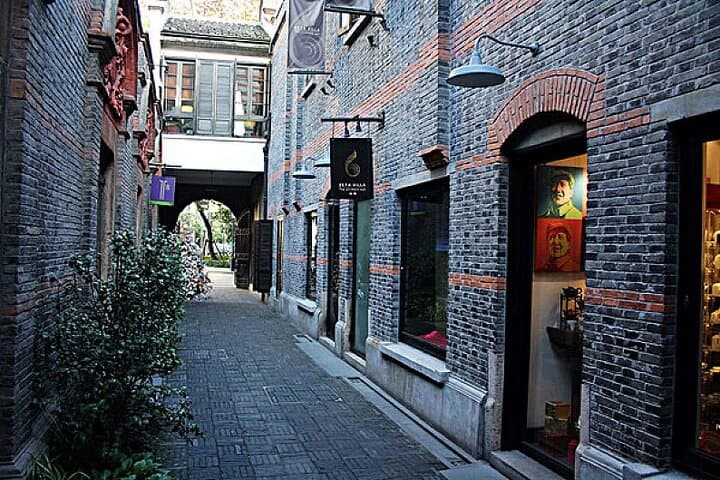
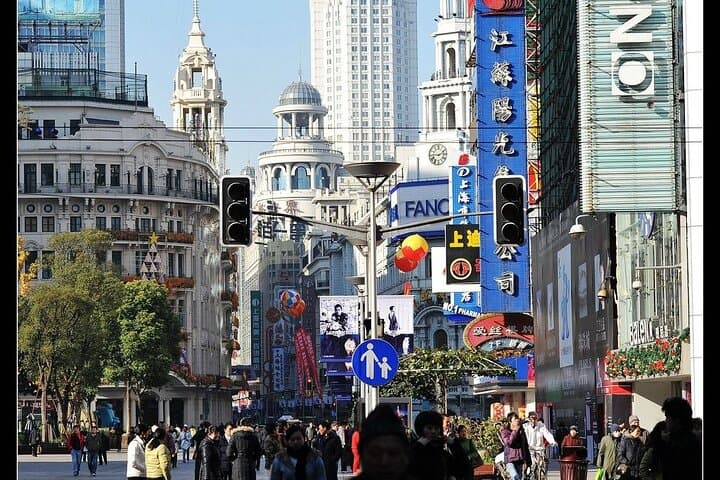
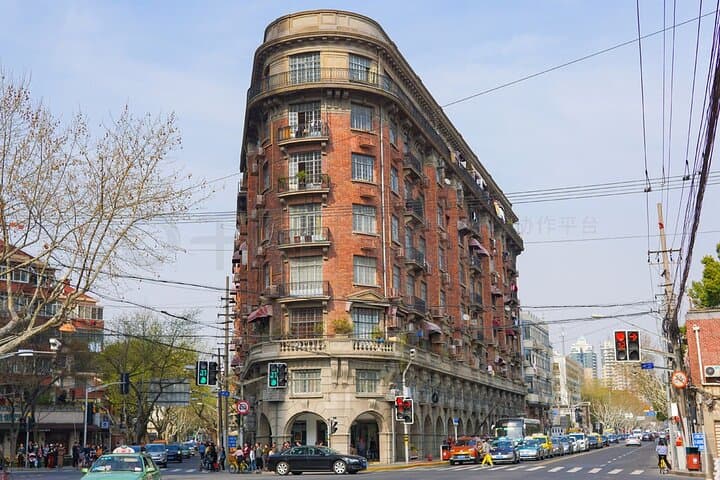
You step off the van onto the Bund and the Huangpu River pushes the city’s history along its banks—glass towers on one side, colonial stone façades on the other. The tour threads between Shanghai’s contrasts: Pudong’s needle-like towers, the cramped stalls of Yuyuan, shaded plane trees of the French Concession and the intimate lanes of Xintiandi.
Verified experiences and guided adventures in the surrounding area.
Operated by cindy · Shanghai, Shanghai
You step off the van onto the Bund and the Huangpu River pushes the city’s history along its banks—glass towers on one side, colonial stone façades on the other. The tour threads between Shanghai’s contrasts: Pudong’s needle-like towers, the cramped stalls of Yuyuan, shaded plane trees of the French Concession and the intimate lanes of Xintiandi.
This route traces layers of Shanghai’s past: treaty-port wealth along the Bund, early 20th-century commerce in Lujiazui, and revolutionary history at the First National Congress site. Geologically the city sits on the Yangtze Delta’s alluvial plain, which is why the Huangpu’s mudflats and reclaimed zones shaped early settlement and modern development.
Culturally expect urban rhythms — vendors tout Shanghainese snacks at Yuyuan, tea houses echo centuries-old rituals, and the French Concession still breathes its international-era architecture. Local guides often point out small courtyards and tucked-away stone lions that signal older neighborhoods.
Practical guidance: this private, wheelchair-accessible tour runs roughly 4–8 hours and requires minimal fitness; it’s mostly walking with short stops. Start early to avoid midday crowds and heat, carry a transit card or have a payment app ready for snacks, and pack a light rain layer in summer. Comfortable walking shoes are essential — cobbles and slick pavements appear unexpectedly.
Timing your visit around sunrise or late afternoon yields better light on the towers and cooler walks through tree-lined streets. Bring a portable charger, keep an eye on air-quality readings if you’re sensitive, and use local etiquette—ask before photographing people in markets.
easy.
4–8 hours.
Suitable for most fitness levels — light-to-moderate walking ability required for repeated short strolls and standing at viewpoints.
Yes—transportation and most public areas on this itinerary are wheelchair accessible; inform the operator about requirements during booking.
Admissions are listed as not applicable; the tour focuses on external viewing and short stops — check with the operator if you want paid interior visits added.
The listing is run by a local guide; confirm available guide languages at booking to match your needs.
Yes — infants can ride in strollers and are required to sit on laps; however, it may not be recommended for those with serious spine, heart, or pregnancy-related conditions.
The Bund developed as Shanghai’s financial hub during the treaty-port era; the French Concession retains architecture and urban patterns from early 20th-century foreign settlements.
Shanghai faces urban environmental pressures—river cleanup and air-quality initiatives are ongoing; visitors can reduce impact by using public transit, minimizing single-use plastics, and following local waste-sorting rules.
cindy operates guided outdoor trips and adventures with an emphasis on safety, stewardship, and memorable experiences.
You step off the van onto the Bund and the Huangpu River pushes the city’s history along its banks—glass towers on one side, colonial stone façades on the other. The tour threads between Shanghai’s contrasts: Pudong’s needle-like towers, the cramped stalls of Yuyuan, shaded plane trees of the French Concession and the intimate lanes of Xintiandi.
You step off the van onto the Bund and the Huangpu River pushes the city’s history along its banks—glass towers on one side, colonial stone façades on the other. The tour threads between Shanghai’s contrasts: Pudong’s needle-like towers, the cramped stalls of Yuyuan, shaded plane trees of the French Concession and the intimate lanes of Xintiandi.
This route traces layers of Shanghai’s past: treaty-port wealth along the Bund, early 20th-century commerce in Lujiazui, and revolutionary history at the First National Congress site. Geologically the city sits on the Yangtze Delta’s alluvial plain, which is why the Huangpu’s mudflats and reclaimed zones shaped early settlement and modern development.
Culturally expect urban rhythms — vendors tout Shanghainese snacks at Yuyuan, tea houses echo centuries-old rituals, and the French Concession still breathes its international-era architecture. Local guides often point out small courtyards and tucked-away stone lions that signal older neighborhoods.
Practical guidance: this private, wheelchair-accessible tour runs roughly 4–8 hours and requires minimal fitness; it’s mostly walking with short stops. Start early to avoid midday crowds and heat, carry a transit card or have a payment app ready for snacks, and pack a light rain layer in summer. Comfortable walking shoes are essential — cobbles and slick pavements appear unexpectedly.
Timing your visit around sunrise or late afternoon yields better light on the towers and cooler walks through tree-lined streets. Bring a portable charger, keep an eye on air-quality readings if you’re sensitive, and use local etiquette—ask before photographing people in markets.