THE ADVENTURE COLLECTIVE® · Independent discovery and booking for outdoor travel

Taste Shanghai’s iconic street snacks, then step into the calm of the Jade Buddha Temple on a three-hour guided tour. Small-group format, tastings and temple admission included—perfect for first-time visitors who want flavor and culture in one outing.
Taste Shanghai’s iconic street snacks, then step into the calm of the Jade Buddha Temple on a three-hour guided tour. Small-group format, tastings and temple admission included—perfect for first-time visitors who want flavor and culture in one outing.
You step off the shaded avenue and into a lane of sizzling woks and clinking teacups—steam rising like a soft call from Shanghai’s culinary heart. The city’s hum narrows into the intimate pace of an afternoon food crawl, then opens into the cool quiet of the Jade Buddha Temple, where polished statues reflect candlelight and local worshippers move with deliberate hands.
Verified experiences and guided adventures in the surrounding area.
Operated by Atlas · Shanghai, Shanghai
You step off the shaded avenue and into a lane of sizzling woks and clinking teacups—steam rising like a soft call from Shanghai’s culinary heart. The city’s hum narrows into the intimate pace of an afternoon food crawl, then opens into the cool quiet of the Jade Buddha Temple, where polished statues reflect candlelight and local worshippers move with deliberate hands.
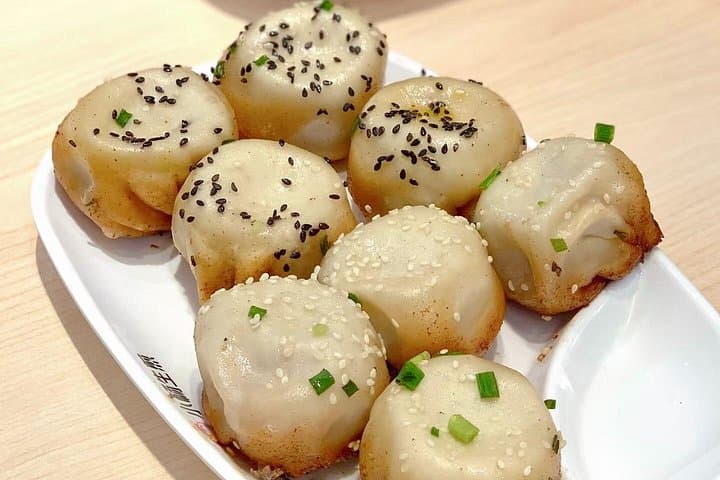
Shanghai’s food scene grew from the Yangtze Delta’s centuries of commerce: traders brought spices, migrants introduced regional styles, and the city refined snacks into local rituals. Geologically the delta’s flat plains and reclaimed land made the city a crossroads—easy to walk, dense with alleys that shelter family-run stalls. Culturally you’ll encounter Shanghainese shengjian buns and delicate xiaolongbao alongside southern and northern influences; at the temple you’ll learn about modern Buddhist practice in a city that modernized at breakneck speed.
Practical guidance: tours last roughly three hours, with multiple tastings and included admission to the Jade Buddha Temple. Expect frequent standing and short walks on paved streets; light rain is common in spring and summer, so a compact umbrella helps. Carry small bills for street vendors and tell guides about dietary restrictions in advance. Move respectfully inside the temple—no flash photography in main halls, and speak softly.
Timing matters: start mid-morning to avoid the evening rush at popular stalls, or join later for a livelier street market atmosphere. Hydrate, wear comfortable shoes, and keep a charged phone for maps and translation—the city rewards curiosity with flavors and stories at every corner.
easy.
3 hours.
Suitable for most fitness levels; requires standing and short walks over flat, paved surfaces.
Yes—multiple tastings are included as part of the tour; portions are sample-sized to let you try several dishes.
Yes, admission to the Jade Buddha Temple is included and timed into the itinerary for about an hour.
Tell the operator your restrictions when booking; guides can advise and substitute tastings where possible but options may be limited at some vendors.
The route uses paved streets and has minimal elevation, but the temple has steps and some narrow passageways—contact the operator to discuss accessibility needs.
Shanghai’s culinary identity formed as the city opened to trade in the 19th century, absorbing Cantonese, Sichuan, Anhui and Jiangsu influences and creating the sweeter, saucy Shanghainese palate.
Urban tourism pressures can strain small eateries and temple spaces—support local businesses responsibly, avoid single-use plastics, and follow site rules to minimize impact.
Atlas operates guided outdoor trips and adventures with an emphasis on safety, stewardship, and memorable experiences.
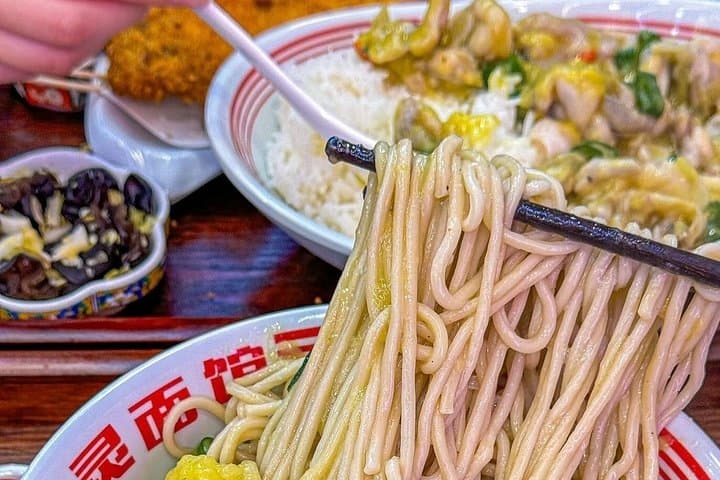
You step off the shaded avenue and into a lane of sizzling woks and clinking teacups—steam rising like a soft call from Shanghai’s culinary heart. The city’s hum narrows into the intimate pace of an afternoon food crawl, then opens into the cool quiet of the Jade Buddha Temple, where polished statues reflect candlelight and local worshippers move with deliberate hands.
You step off the shaded avenue and into a lane of sizzling woks and clinking teacups—steam rising like a soft call from Shanghai’s culinary heart. The city’s hum narrows into the intimate pace of an afternoon food crawl, then opens into the cool quiet of the Jade Buddha Temple, where polished statues reflect candlelight and local worshippers move with deliberate hands.
Shanghai’s food scene grew from the Yangtze Delta’s centuries of commerce: traders brought spices, migrants introduced regional styles, and the city refined snacks into local rituals. Geologically the delta’s flat plains and reclaimed land made the city a crossroads—easy to walk, dense with alleys that shelter family-run stalls. Culturally you’ll encounter Shanghainese shengjian buns and delicate xiaolongbao alongside southern and northern influences; at the temple you’ll learn about modern Buddhist practice in a city that modernized at breakneck speed.
Practical guidance: tours last roughly three hours, with multiple tastings and included admission to the Jade Buddha Temple. Expect frequent standing and short walks on paved streets; light rain is common in spring and summer, so a compact umbrella helps. Carry small bills for street vendors and tell guides about dietary restrictions in advance. Move respectfully inside the temple—no flash photography in main halls, and speak softly.
Timing matters: start mid-morning to avoid the evening rush at popular stalls, or join later for a livelier street market atmosphere. Hydrate, wear comfortable shoes, and keep a charged phone for maps and translation—the city rewards curiosity with flavors and stories at every corner.