THE ADVENTURE COLLECTIVE® · Independent discovery and booking for outdoor travel

Spend a full day assembling, flying, and simulating professional drones, then step into a Boeing 737 cockpit simulator in the Yangtze Delta. Mornings suit first flights; the program pairs hands-on practice with expert instruction and real-world gear.
Spend a full day assembling, flying, and simulating professional drones, then step into a Boeing 737 cockpit simulator in the Yangtze Delta. Mornings suit first flights; the program pairs hands-on practice with expert instruction and real-world gear.
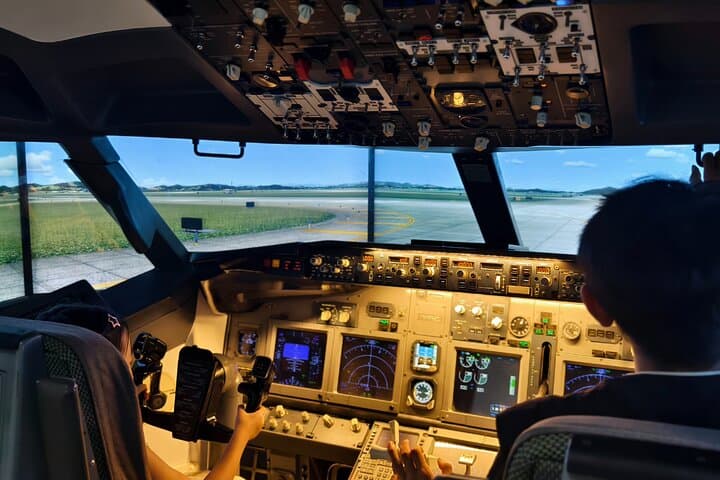
A low hum greets you before you see the machines — rotors idling like patient animals ready to spring. In a private 100‑meter practice zone on the outskirts of Shanghai, instructors guide you from the stiff geometry of assembly tables to the open sky, then back into the cramped, instrument-lit world of a full-motion Boeing 737 cockpit simulator.
Verified experiences and guided adventures in the surrounding area.
Operated by China Xiezhu · Shanghai, Shanghai
A low hum greets you before you see the machines — rotors idling like patient animals ready to spring. In a private 100‑meter practice zone on the outskirts of Shanghai, instructors guide you from the stiff geometry of assembly tables to the open sky, then back into the cramped, instrument-lit world of a full-motion Boeing 737 cockpit simulator.
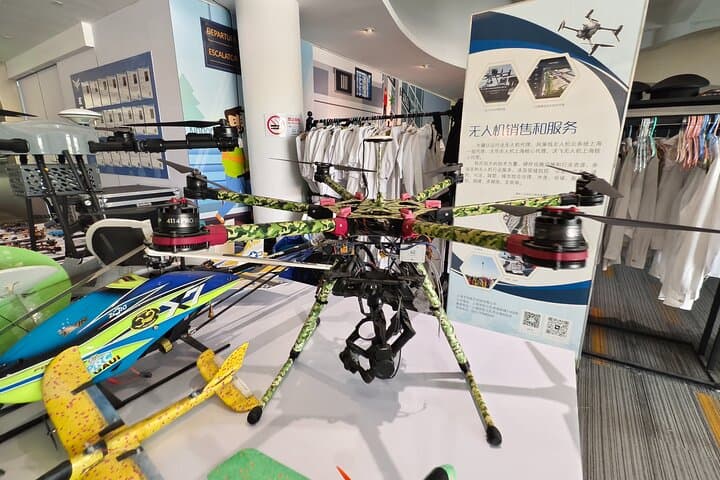
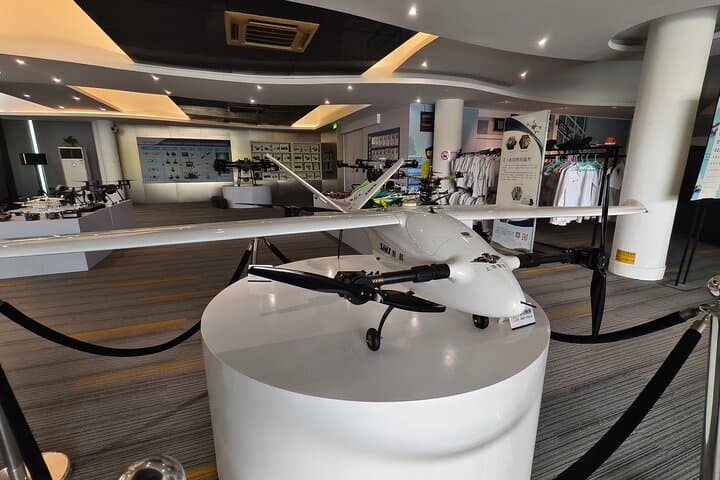
The Yangtze Delta set the stage: a century of trade and industrial innovation has turned these river plains into a testing ground for aviation and logistics. The drone curriculum here pairs modern DJI platforms — M300 and Phantom 4RTK — with hands-on electronics and DIY hand‑throw flyers so participants learn theory, simulation, and real flight in one continuous arc. The Boeing 737 simulator is a regional rarity, offering a visceral feel for flight controls and cockpit workflow that ties aviation history to contemporary tech culture.
Expect short classroom briefings, supervised assembly, simulator time, and outdoor flight blocks; instructors emphasize local airspace rules and safety. Wind is the invisible instructor — it will push, lift, and sometimes refuse your inputs — so timing matters: mornings are calmer and ideal for first flights. Bring identification for check-in, charge all batteries beforehand, and dress for variable coastal weather; closed-toe shoes and sun protection help during outdoor sessions.
Whether you’re curious about logistics, mapping, or the simple thrill of remote flight, this hybrid day blends tactile learning with high-fidelity simulation and gives a clear picture of how modern aviation and drones are reshaping the skyline.
easy.
8 hours.
Suitable for all fitness levels; mostly standing, light lifting and fine motor work required
No — the program is designed for beginners and experienced pilots alike; instructors cover assembly, basic flight, and safety protocols.
The activity accepts a wide age range but requires minors to be supervised; check booking questions for specific ageband rules.
Sessions are canceled for poor weather; the operator offers full refunds if canceled at least 24 hours in advance per their policy.
For this supervised experience in private airspace, no external pilot license is required, but local aviation rules still apply and instructors enforce safety limits.
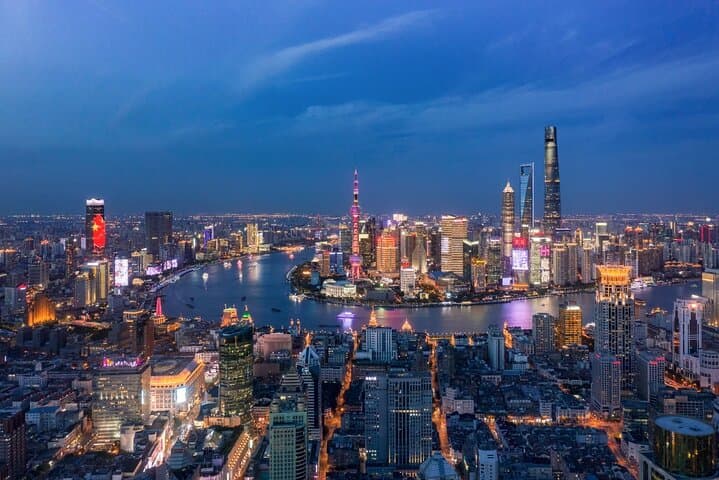
Shanghai and the surrounding Yangtze Delta grew into a manufacturing and logistics hub; that industrial legacy makes the region a natural place to experiment with aviation tech and drone logistics.
Operators run flights in a contained private airspace to reduce disturbance; visitors are asked to avoid flying near bird nesting areas and to dispose of batteries responsibly.
China Xiezhu operates guided outdoor trips and adventures with an emphasis on safety, stewardship, and memorable experiences.
A low hum greets you before you see the machines — rotors idling like patient animals ready to spring. In a private 100‑meter practice zone on the outskirts of Shanghai, instructors guide you from the stiff geometry of assembly tables to the open sky, then back into the cramped, instrument-lit world of a full-motion Boeing 737 cockpit simulator.
A low hum greets you before you see the machines — rotors idling like patient animals ready to spring. In a private 100‑meter practice zone on the outskirts of Shanghai, instructors guide you from the stiff geometry of assembly tables to the open sky, then back into the cramped, instrument-lit world of a full-motion Boeing 737 cockpit simulator.
The Yangtze Delta set the stage: a century of trade and industrial innovation has turned these river plains into a testing ground for aviation and logistics. The drone curriculum here pairs modern DJI platforms — M300 and Phantom 4RTK — with hands-on electronics and DIY hand‑throw flyers so participants learn theory, simulation, and real flight in one continuous arc. The Boeing 737 simulator is a regional rarity, offering a visceral feel for flight controls and cockpit workflow that ties aviation history to contemporary tech culture.
Expect short classroom briefings, supervised assembly, simulator time, and outdoor flight blocks; instructors emphasize local airspace rules and safety. Wind is the invisible instructor — it will push, lift, and sometimes refuse your inputs — so timing matters: mornings are calmer and ideal for first flights. Bring identification for check-in, charge all batteries beforehand, and dress for variable coastal weather; closed-toe shoes and sun protection help during outdoor sessions.
Whether you’re curious about logistics, mapping, or the simple thrill of remote flight, this hybrid day blends tactile learning with high-fidelity simulation and gives a clear picture of how modern aviation and drones are reshaping the skyline.