THE ADVENTURE COLLECTIVE® · Independent discovery and booking for outdoor travel

Three days of private, curated Shanghai: morning walks on the Bund, Ming gardens and galleries in the French Concession, plus a canal boat ride to Zhujiajiao. Practical tips on timing, transport, and what to pack for a comfortable, insightful city-first adventure.
Three days of private, curated Shanghai: morning walks on the Bund, Ming gardens and galleries in the French Concession, plus a canal boat ride to Zhujiajiao. Practical tips on timing, transport, and what to pack for a comfortable, insightful city-first adventure.
You step onto the Bund at dawn, river air pulling the city into focus: colonial façades on one bank, glass spires of Pudong daring you to look up on the other. This is a three-day, private introduction to Shanghai’s collisions of past and future — Ming gardens, lane-lined cafés, and a day trip to a water town where canals push you along wooden boats.
Verified experiences and guided adventures in the surrounding area.
Operated by 240hr Travel China · Shanghai, Shanghai
You step onto the Bund at dawn, river air pulling the city into focus: colonial façades on one bank, glass spires of Pudong daring you to look up on the other. This is a three-day, private introduction to Shanghai’s collisions of past and future — Ming gardens, lane-lined cafés, and a day trip to a water town where canals push you along wooden boats.
History lives in the details: Yu Garden’s Ming pavilions and gardens built for a private official, the French Concession’s 1920s villas that map a different era of trade and expatriate life, and the repurposed power plant of the Power Station of Art, now a contemporary museum. Geologically, Shanghai sits on a flat alluvial plain formed by the Yangtze’s delta; that placid flatness is why the city spreads and why its canals, like Zhujiajiao’s, feel perched between land and water.
Culture here is tactile — tea houses, night markets, acrobatic theaters, and galleries in Shikumen houses. Expect to walk cobbled lanes, queue briefly at popular spots, then slip into quieter side streets for local snacks.
Practical guidance: plan morning Bund walks to avoid crowds, use metro Line 17 for Zhujiajiao (1–1.5 hours), and bring comfortable shoes and a compact umbrella — Shanghai weather can shift quickly. Public transport is efficient; most sites are wheelchair- and stroller-accessible with advance notice. Carry a portable charger, have offline maps, and schedule the rooftop observatory or Ultraviolet well in advance. With steady pacing and basic prep, this private itinerary is an approachable, sensory-rich primer on China’s modern gateway.
easy.
3 days.
Light walking ability for city streets and short transfers; suitable for most fitness levels.
Yes — the itinerary is family-friendly and physically easy; many sites are stroller- and wheelchair-accessible with advance notice.
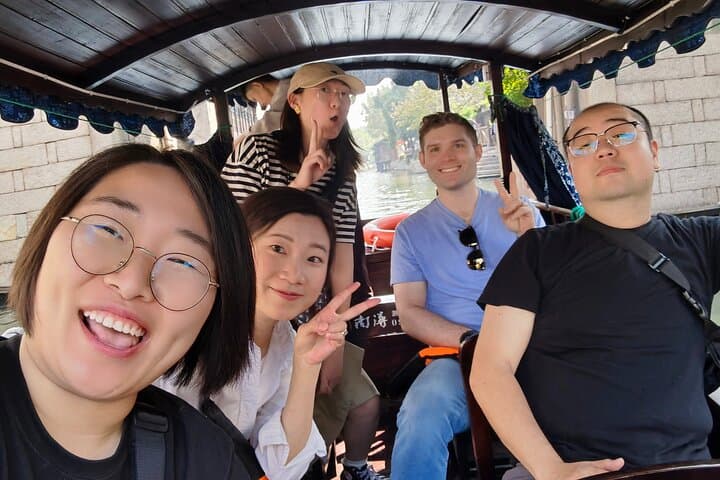
Transfer by taxi (~1 hour) or metro Line 17 to Zhujiajiao Station (about 1.5 hours), then a short walk to the canal area and boat docks.
Breakfast, some lunches and dinners are included; operators typically accommodate common dietary needs if informed at booking.
Most visitors require a China visa based on nationality; a local SIM or eSIM improves navigation and translation — available at the airport or online before arrival.
Shanghai’s urban fabric reflects treaty-port history and 20th-century migration; the French Concession preserves colonial-era villas while areas like Yu Garden date to the Ming dynasty.
Rapid urban growth stresses waterways; responsible visitors avoid littering, choose certified local guides, and support restored heritage sites.
240hr Travel China operates guided outdoor trips and adventures with an emphasis on safety, stewardship, and memorable experiences.
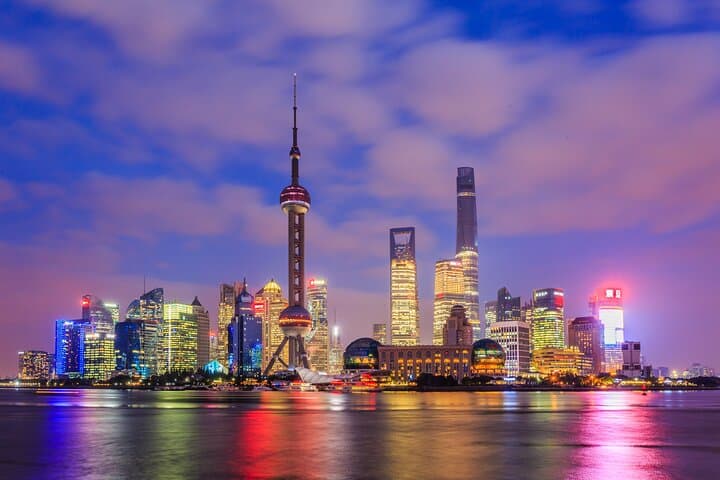
You step onto the Bund at dawn, river air pulling the city into focus: colonial façades on one bank, glass spires of Pudong daring you to look up on the other. This is a three-day, private introduction to Shanghai’s collisions of past and future — Ming gardens, lane-lined cafés, and a day trip to a water town where canals push you along wooden boats.
You step onto the Bund at dawn, river air pulling the city into focus: colonial façades on one bank, glass spires of Pudong daring you to look up on the other. This is a three-day, private introduction to Shanghai’s collisions of past and future — Ming gardens, lane-lined cafés, and a day trip to a water town where canals push you along wooden boats.
History lives in the details: Yu Garden’s Ming pavilions and gardens built for a private official, the French Concession’s 1920s villas that map a different era of trade and expatriate life, and the repurposed power plant of the Power Station of Art, now a contemporary museum. Geologically, Shanghai sits on a flat alluvial plain formed by the Yangtze’s delta; that placid flatness is why the city spreads and why its canals, like Zhujiajiao’s, feel perched between land and water.
Culture here is tactile — tea houses, night markets, acrobatic theaters, and galleries in Shikumen houses. Expect to walk cobbled lanes, queue briefly at popular spots, then slip into quieter side streets for local snacks.
Practical guidance: plan morning Bund walks to avoid crowds, use metro Line 17 for Zhujiajiao (1–1.5 hours), and bring comfortable shoes and a compact umbrella — Shanghai weather can shift quickly. Public transport is efficient; most sites are wheelchair- and stroller-accessible with advance notice. Carry a portable charger, have offline maps, and schedule the rooftop observatory or Ultraviolet well in advance. With steady pacing and basic prep, this private itinerary is an approachable, sensory-rich primer on China’s modern gateway.