THE ADVENTURE COLLECTIVE® · Independent discovery and booking for outdoor travel

Walk the darker corners of Rome on a two-hour guided tour from Piazza Navona through Campo de' Fiori, Isola Tiberina and Trastevere. Historical fact and eerie legend meet in stories of the Inquisition, Giordano Bruno, and a saint with a restless afterlife.
Walk the darker corners of Rome on a two-hour guided tour from Piazza Navona through Campo de' Fiori, Isola Tiberina and Trastevere. Historical fact and eerie legend meet in stories of the Inquisition, Giordano Bruno, and a saint with a restless afterlife.
A late-afternoon hush falls over Piazza Navona and the fountains seem to lean in to listen as your guide begins. Lantern-light is unnecessary here; the city’s stone and water hold stories that fill the air. You move from the square’s baroque faces toward the narrow lanes of Campo de' Fiori, where a marketplace’s bright bustle gives way to the echo of older, darker days.
Verified experiences and guided adventures in the surrounding area.
Operated by RomAbout Tours · Rome, Lazio
A late-afternoon hush falls over Piazza Navona and the fountains seem to lean in to listen as your guide begins. Lantern-light is unnecessary here; the city’s stone and water hold stories that fill the air. You move from the square’s baroque faces toward the narrow lanes of Campo de' Fiori, where a marketplace’s bright bustle gives way to the echo of older, darker days.
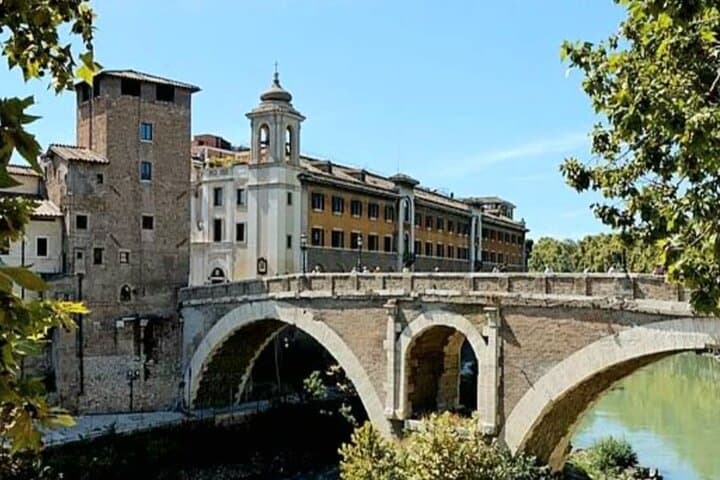
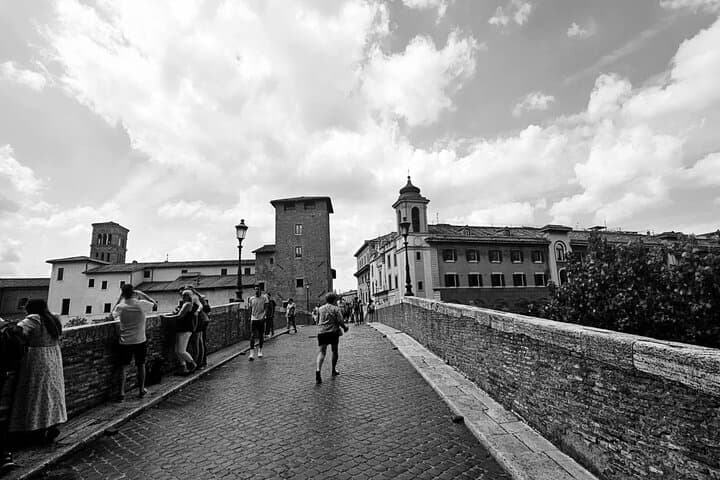
The route threads imperial memory and ecclesiastical power: the execution of Giordano Bruno at Campo de' Fiori, the political weight of Palazzo Farnese, and the small, shadowed churches that still keep their secrets. Rome’s geology—tufa outcrops and the soft alluvial soil of the Tiber valley—shaped its streets and its myths, while Trastevere offers cobbled alleys and the riverbank where the Tiber dares you to read its past; the current pushes a quiet, steady record of time.
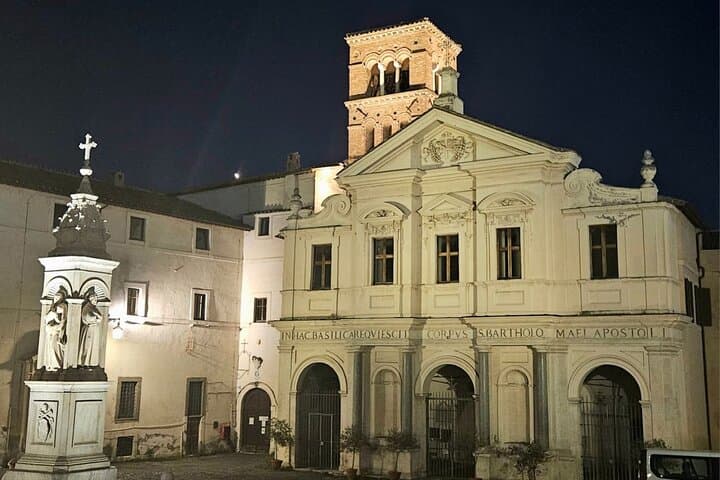
Expect a mix of historical context and theatre—stories of the Inquisition, whispered rituals, and the saint whose afterlife haunts a basilica. The guide balances fact with folklore and points out architectural cues that betray older uses of buildings.
Practical matters: the tour runs about two hours and covers mostly flat ground with cobbles and tight alleys; comfortable, grippy shoes are wise. Public transport reaches the start; meet at Piazza Navona. Modest dress and quiet respect are required at religious sites. The walk is suitable for most visitors but not recommended for pregnant travelers. Bring water, a light jacket for river breezes, and a readiness to listen—Rome’s shadows tell their own stories if you let them.
easy.
2 hours.
Suitable for most adults who can walk two hours on city streets; minimal elevation change.
The meeting point is Piazza Navona; check your booking confirmation for the precise flagable spot and arrive 10 minutes early.
Yes—physically it’s easy, but content includes historical executions and macabre rituals that may not be appropriate for young children or sensitive guests.
This listing provides a fluent English-speaking guide; other language options depend on operator availability—check booking details.
Full refund available if you cancel at least 24 hours before the tour; no refund within 24 hours of departure according to standard policy.
The route touches sites tied to the Inquisition and the 1600 execution of philosopher Giordano Bruno; Palazzo Farnese reflects papal power consolidated by Renaissance patrons.
Historic center streets and church interiors are fragile—stay on designated walkways, avoid touching frescoes and marble, and follow guide instructions to reduce wear on these aging monuments.
RomAbout Tours operates guided outdoor trips and adventures with an emphasis on safety, stewardship, and memorable experiences.
A late-afternoon hush falls over Piazza Navona and the fountains seem to lean in to listen as your guide begins. Lantern-light is unnecessary here; the city’s stone and water hold stories that fill the air. You move from the square’s baroque faces toward the narrow lanes of Campo de' Fiori, where a marketplace’s bright bustle gives way to the echo of older, darker days.
A late-afternoon hush falls over Piazza Navona and the fountains seem to lean in to listen as your guide begins. Lantern-light is unnecessary here; the city’s stone and water hold stories that fill the air. You move from the square’s baroque faces toward the narrow lanes of Campo de' Fiori, where a marketplace’s bright bustle gives way to the echo of older, darker days.
The route threads imperial memory and ecclesiastical power: the execution of Giordano Bruno at Campo de' Fiori, the political weight of Palazzo Farnese, and the small, shadowed churches that still keep their secrets. Rome’s geology—tufa outcrops and the soft alluvial soil of the Tiber valley—shaped its streets and its myths, while Trastevere offers cobbled alleys and the riverbank where the Tiber dares you to read its past; the current pushes a quiet, steady record of time.
Expect a mix of historical context and theatre—stories of the Inquisition, whispered rituals, and the saint whose afterlife haunts a basilica. The guide balances fact with folklore and points out architectural cues that betray older uses of buildings.
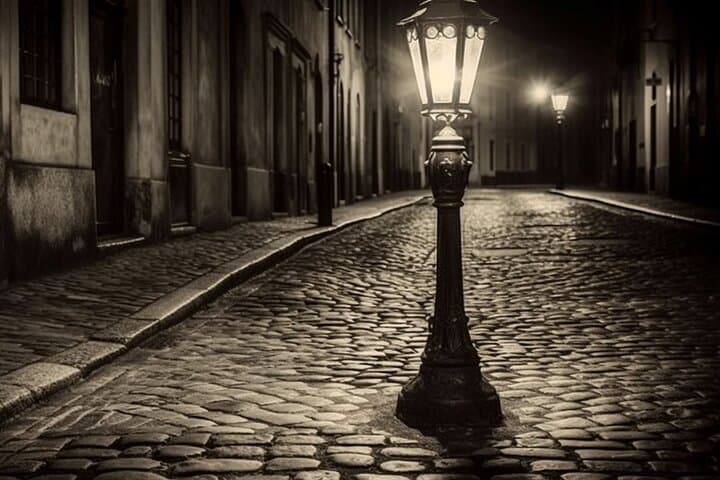
Practical matters: the tour runs about two hours and covers mostly flat ground with cobbles and tight alleys; comfortable, grippy shoes are wise. Public transport reaches the start; meet at Piazza Navona. Modest dress and quiet respect are required at religious sites. The walk is suitable for most visitors but not recommended for pregnant travelers. Bring water, a light jacket for river breezes, and a readiness to listen—Rome’s shadows tell their own stories if you let them.