THE ADVENTURE COLLECTIVE® · Independent discovery and booking for outdoor travel

Follow the E4 from Chora Sfakion to Agia Roumeli on a 22 km coastal hike that crosses gorges, tiny beaches, and hilltop chapels. This full-day route blends limestone cliffs, clear swimming coves, and old Sfakian villages—expect 7–9 hours of varied terrain and big Mediterranean views.
Follow the E4 from Chora Sfakion to Agia Roumeli on a 22 km coastal hike that crosses gorges, tiny beaches, and hilltop chapels. This full-day route blends limestone cliffs, clear swimming coves, and old Sfakian villages—expect 7–9 hours of varied terrain and big Mediterranean views.
Salt air brushes the skin as the E4 drops from the cliffs above Chora Sfakion and the trail unfurls along the spine of Crete’s southern coast. Hikers move between sun-bleached stone and dark gorges — Aradena’s mouth yawning to the west, Elygias carving inland to the east — while small beaches and whitewashed chapels punctuate the walk.
Verified experiences and guided adventures in the surrounding area.
Operated by Pari Vigli · Chora Sfakion, Crete
Salt air brushes the skin as the E4 drops from the cliffs above Chora Sfakion and the trail unfurls along the spine of Crete’s southern coast. Hikers move between sun-bleached stone and dark gorges — Aradena’s mouth yawning to the west, Elygias carving inland to the east — while small beaches and whitewashed chapels punctuate the walk.
This stretch of the E4 crosses limestone terraces formed by tectonic uplift and marine terraces left by millennia of sea-level change. Sfakia’s villages have long been defined by a stubborn independence: shepherding, maritime traffic, and small cliffside churches like Timios Stavros and Agios Pavlos mark human threads through rugged geology. Castellated promontories like Kastella offer panoramic vantage points where the sea seems to push and demand attention.
Practical facts: the route runs roughly 22 km from Chora Sfakion to Agia Roumeli, typically requiring 7–9 hours depending on pace and stops. Terrain alternates coastal singletrack, rocky scree, and short steep pitches; there are no technical climbing sections but footing can be loose and exposure frequent. Expect long sunny sections with little shade, a few spring-fed rivulets daring you to pause, and a rewarding swim at Agia Roumeli where the Samaria gorge empties into the Libyan Sea.
Prepare with sturdy shoes, 2–3 liters of water, sun protection, and a simple first-aid kit. Start early to avoid peak sun, conserve energy on the steeper coastal ramps, and leave no trace—this coastline is scenic and fragile. Guided private options make logistics easier for solo travelers or those short on local knowledge.
challenging.
7–9 hours.
Good endurance required—regular walkers who can manage 20+ km and prolonged exposure should be fine.
The route is approximately 22 km and typically takes 7–9 hours including short breaks and a swim at the end.
Not required, but a local guide simplifies navigation, transport logistics, and provides regional context for wildlife and history.
Small villages like Loutro and Marmara may offer limited supplies; don’t rely on them—carry your own water and snacks.
Yes—Agia Roumeli has a pebble beach with clear water suitable for swimming; expect cooler currents depending on season.
Sfakia’s coastal villages have a long history of maritime trade and resistance; old chapels and ruined settlements like Azeromouri (Tara) mark centuries of human presence.
Stay on designated paths, pack out all waste, and avoid disturbing nesting birds or marine life—this coastline is ecologically sensitive.
Pari Vigli operates guided outdoor trips and adventures with an emphasis on safety, stewardship, and memorable experiences.
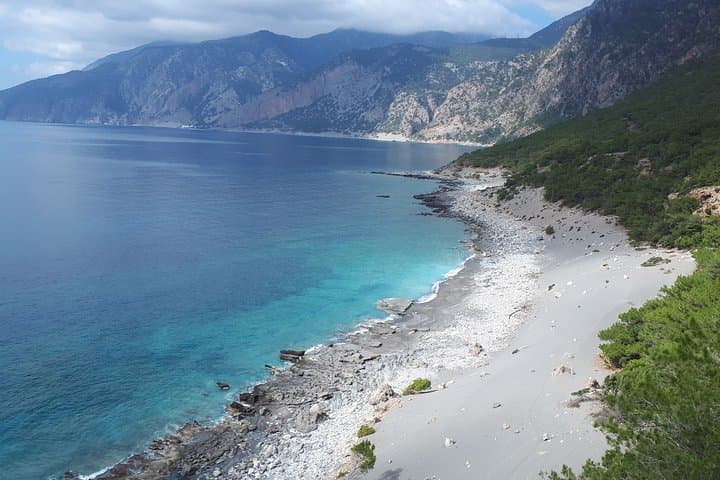
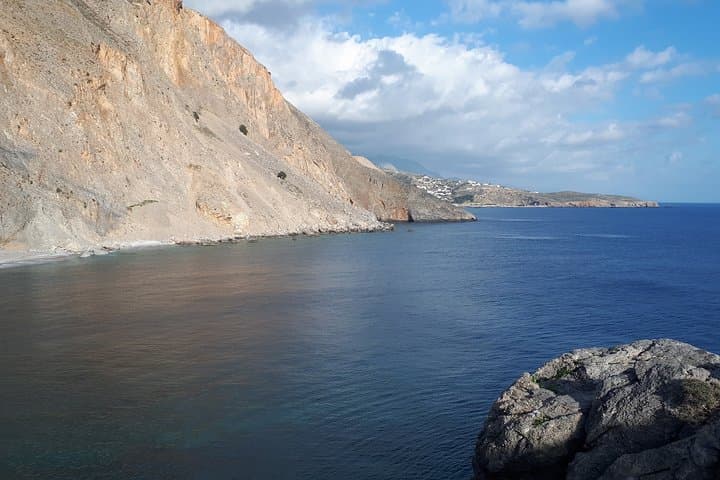
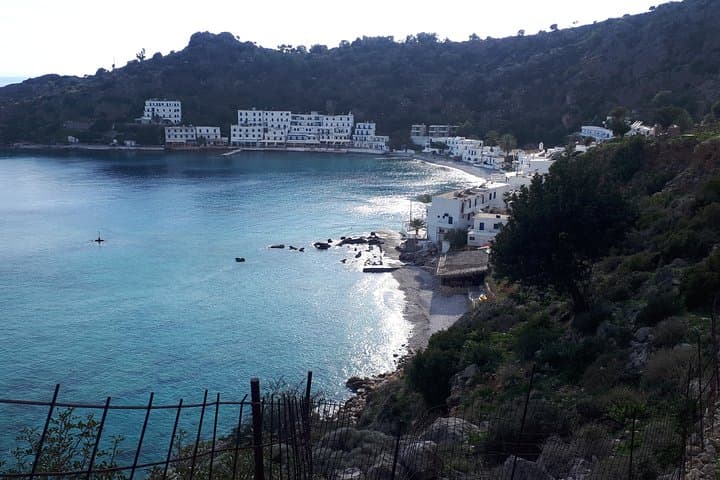
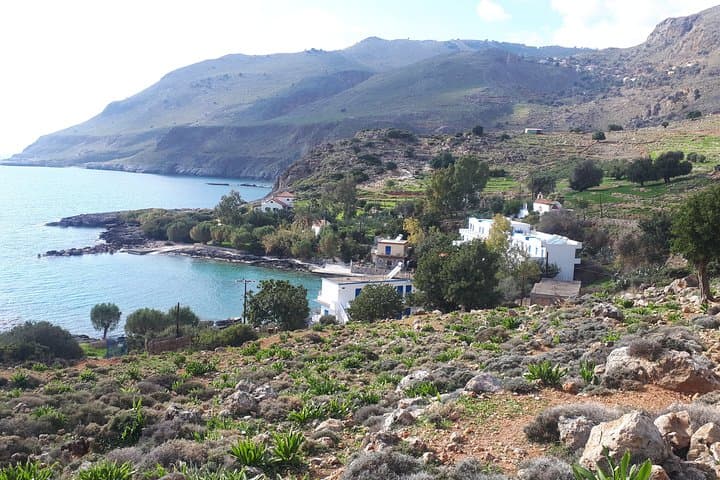
Salt air brushes the skin as the E4 drops from the cliffs above Chora Sfakion and the trail unfurls along the spine of Crete’s southern coast. Hikers move between sun-bleached stone and dark gorges — Aradena’s mouth yawning to the west, Elygias carving inland to the east — while small beaches and whitewashed chapels punctuate the walk.
Salt air brushes the skin as the E4 drops from the cliffs above Chora Sfakion and the trail unfurls along the spine of Crete’s southern coast. Hikers move between sun-bleached stone and dark gorges — Aradena’s mouth yawning to the west, Elygias carving inland to the east — while small beaches and whitewashed chapels punctuate the walk.
This stretch of the E4 crosses limestone terraces formed by tectonic uplift and marine terraces left by millennia of sea-level change. Sfakia’s villages have long been defined by a stubborn independence: shepherding, maritime traffic, and small cliffside churches like Timios Stavros and Agios Pavlos mark human threads through rugged geology. Castellated promontories like Kastella offer panoramic vantage points where the sea seems to push and demand attention.
Practical facts: the route runs roughly 22 km from Chora Sfakion to Agia Roumeli, typically requiring 7–9 hours depending on pace and stops. Terrain alternates coastal singletrack, rocky scree, and short steep pitches; there are no technical climbing sections but footing can be loose and exposure frequent. Expect long sunny sections with little shade, a few spring-fed rivulets daring you to pause, and a rewarding swim at Agia Roumeli where the Samaria gorge empties into the Libyan Sea.
Prepare with sturdy shoes, 2–3 liters of water, sun protection, and a simple first-aid kit. Start early to avoid peak sun, conserve energy on the steeper coastal ramps, and leave no trace—this coastline is scenic and fragile. Guided private options make logistics easier for solo travelers or those short on local knowledge.