THE ADVENTURE COLLECTIVE® · Independent discovery and booking for outdoor travel

Turn a necessary transfer into a full-day exploration of the Seward Highway—witness Exit Glacier, scan Potter Marsh for shorebirds, and pause for wildlife at the Alaska Wildlife Conservation Center on this private Seward-to-Anchorage tour.
Turn a necessary transfer into a full-day exploration of the Seward Highway—witness Exit Glacier, scan Potter Marsh for shorebirds, and pause for wildlife at the Alaska Wildlife Conservation Center on this private Seward-to-Anchorage tour.
The morning light slices across Resurrection Bay as your guide eases a private van past fishing boats and salt-crusted docks in Seward. Mountains press close to the road; spruce and alder blur outside the window while the Seward Highway threads the arm of the inlet. This is not a commute—it’s an introduction: glaciers hovering on ridgelines, rivers that seem intent on reaching the sea, and Turnagain Arm roaring and retreating with the tide like a living thing.
Verified experiences and guided adventures in the surrounding area.
Operated by Greatland Adventures · Seward, Alaska
The morning light slices across Resurrection Bay as your guide eases a private van past fishing boats and salt-crusted docks in Seward. Mountains press close to the road; spruce and alder blur outside the window while the Seward Highway threads the arm of the inlet. This is not a commute—it’s an introduction: glaciers hovering on ridgelines, rivers that seem intent on reaching the sea, and Turnagain Arm roaring and retreating with the tide like a living thing.
This eight‑hour transfer is equal parts practical move and scenic day trip. The route traces a dramatic strip of Alaska history and geology. The Seward Highway follows ancient glacial valleys carved into the Chugach Range; Exit Glacier is a visible finger of the Harding Icefield and a reminder that these landscapes are actively changing. Pottery, stone tools and sites like Beluga Point tell of human presence here for 8,000–10,000 years, and the road now connects fishing communities and a growing outdoor-resort culture centered around Girdwood and Alyeska.
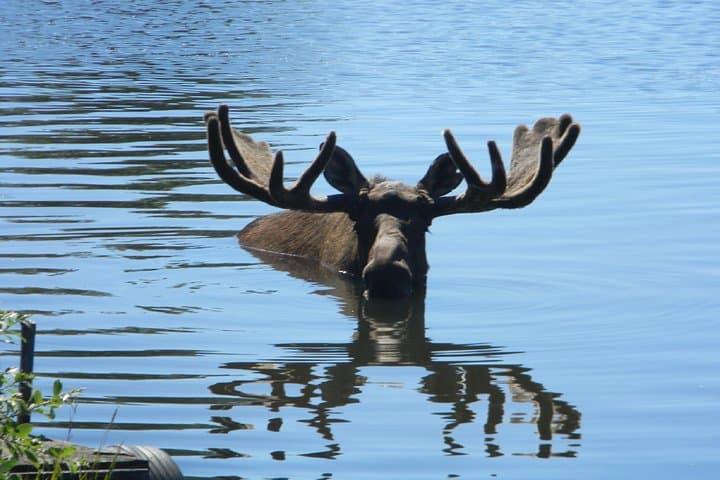
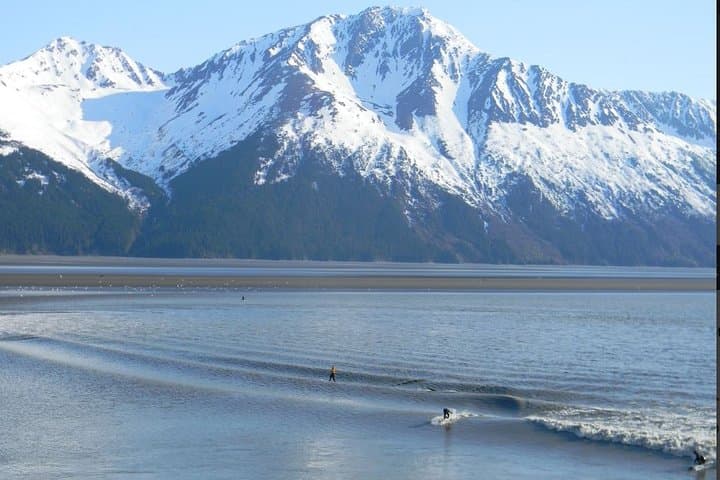
Cultural notes arrive in small, vivid moments: a local guide pointing out cannery ruins, the hum of a salmon run hinted at in a river mouth, or the fact that Turnagain Arm’s tidal flats can produce tidal bores and quicksand-like mud—enter them ill-prepared and the shoreline will command your attention. Wildlife is a constant presence: eagles hanging on thermals, mountain goats clinging to shale, and, in season, belugas and humpbacks feeding where rivers meet the sea.
The day is structured and flexible. Stops include a stroll at Potter Marsh boardwalk for birdlife, a chance to visit the Seward SeaLife Center, a short but vivid walk to Exit Glacier’s overlook (expect a modest climb and rocky footing), and time at the Alaska Wildlife Conservation Center for photo-friendly views of moose, bears, and muskox. Girdwood provides a scenic lunch spot and optional tram ride up Alyeska for alpine views.
Practical edge: the transfer covers roughly 125 miles of highway with about 2.5–3 hours of driving without stops; plan for multiple short hikes with elevation changes of 100–400 feet on glacial overlooks. Weather is variable—sun can flip to rain in an hour—so layer and carry waterproofs. Bring binoculars and a charged camera; cell service is patchy. For cruise passengers, provide pickup time and pier information at booking to ensure a smooth start.
By day’s end you’ll roll into Anchorage with a clearer sense of Southcentral Alaska: landscapes being reshaped by water and ice, a coastline that commands attention, and communities that live in rhythm with extreme tides and seasons. It’s a transfer that acts like a primer—efficient, scenic, and threaded with the kind of local knowledge that turns a simple drive into a full Alaskan afternoon.
easy.
8 hours.
Suitable for most fitness levels—expect short walks and modest uphill sections (100–400 ft elevation gain) at viewpoints.
Yes—this private transfer includes port pickup; you must provide pier and cruise ship details when booking.
Yes—there are restroom stops at visitor centers, roadside pullouts and at the Alaska Wildlife Conservation Center.
Yes—those are optional extras you can add during booking; they require time and additional fees.
Yes—infant seats are available and the tour is family-friendly; short hikes should be assessed for young children’s endurance.
No—lunch and snacks are not included, but there are dining options in Seward and Girdwood and you can bring a packed lunch.
Expect eagles, moose, black bears at a distance, mountain goats, and seasonal marine life—beluga and humpback sightings increase in summer months.
Beluga Point and surrounding shores contain artifacts dating back 8,000–10,000 years, indicating long-standing Indigenous presence tied to the salmon-rich waters of Cook Inlet.
Exit Glacier is a visible indicator of glacial recession; visitors are encouraged to stay on trails and support local conservation centers that rehabilitate injured wildlife.
Greatland Adventures operates guided outdoor trips and adventures with an emphasis on safety, stewardship, and memorable experiences.
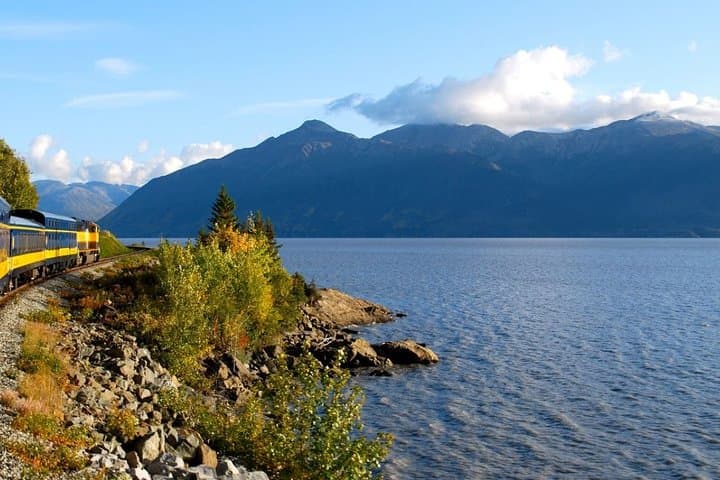
The morning light slices across Resurrection Bay as your guide eases a private van past fishing boats and salt-crusted docks in Seward. Mountains press close to the road; spruce and alder blur outside the window while the Seward Highway threads the arm of the inlet. This is not a commute—it’s an introduction: glaciers hovering on ridgelines, rivers that seem intent on reaching the sea, and Turnagain Arm roaring and retreating with the tide like a living thing.
The morning light slices across Resurrection Bay as your guide eases a private van past fishing boats and salt-crusted docks in Seward. Mountains press close to the road; spruce and alder blur outside the window while the Seward Highway threads the arm of the inlet. This is not a commute—it’s an introduction: glaciers hovering on ridgelines, rivers that seem intent on reaching the sea, and Turnagain Arm roaring and retreating with the tide like a living thing.
This eight‑hour transfer is equal parts practical move and scenic day trip. The route traces a dramatic strip of Alaska history and geology. The Seward Highway follows ancient glacial valleys carved into the Chugach Range; Exit Glacier is a visible finger of the Harding Icefield and a reminder that these landscapes are actively changing. Pottery, stone tools and sites like Beluga Point tell of human presence here for 8,000–10,000 years, and the road now connects fishing communities and a growing outdoor-resort culture centered around Girdwood and Alyeska.
Cultural notes arrive in small, vivid moments: a local guide pointing out cannery ruins, the hum of a salmon run hinted at in a river mouth, or the fact that Turnagain Arm’s tidal flats can produce tidal bores and quicksand-like mud—enter them ill-prepared and the shoreline will command your attention. Wildlife is a constant presence: eagles hanging on thermals, mountain goats clinging to shale, and, in season, belugas and humpbacks feeding where rivers meet the sea.
The day is structured and flexible. Stops include a stroll at Potter Marsh boardwalk for birdlife, a chance to visit the Seward SeaLife Center, a short but vivid walk to Exit Glacier’s overlook (expect a modest climb and rocky footing), and time at the Alaska Wildlife Conservation Center for photo-friendly views of moose, bears, and muskox. Girdwood provides a scenic lunch spot and optional tram ride up Alyeska for alpine views.
Practical edge: the transfer covers roughly 125 miles of highway with about 2.5–3 hours of driving without stops; plan for multiple short hikes with elevation changes of 100–400 feet on glacial overlooks. Weather is variable—sun can flip to rain in an hour—so layer and carry waterproofs. Bring binoculars and a charged camera; cell service is patchy. For cruise passengers, provide pickup time and pier information at booking to ensure a smooth start.
By day’s end you’ll roll into Anchorage with a clearer sense of Southcentral Alaska: landscapes being reshaped by water and ice, a coastline that commands attention, and communities that live in rhythm with extreme tides and seasons. It’s a transfer that acts like a primer—efficient, scenic, and threaded with the kind of local knowledge that turns a simple drive into a full Alaskan afternoon.