THE ADVENTURE COLLECTIVE® · Independent discovery and booking for outdoor travel

Turn Seville into a playable map with an app-led urban adventure game that blends a scavenger hunt, escape-room puzzles, and a walking tour. Solve site-specific tasks as you pass the Giralda, Triana, and hidden plazas—ideal for curious groups and families.
Turn Seville into a playable map with an app-led urban adventure game that blends a scavenger hunt, escape-room puzzles, and a walking tour. Solve site-specific tasks as you pass the Giralda, Triana, and hidden plazas—ideal for curious groups and families.
You step off a sun-warmed square and the city becomes a game board: tiles, statues, ornate doorways and a riverbank that all hide clues. The app pings, a short briefing scrolls across your screen, and a mission unfolds that threads you past the Giralda’s shadow and into narrow lanes where tiles clack underfoot.
Verified experiences and guided adventures in the surrounding area.
You step off a sun-warmed square and the city becomes a game board: tiles, statues, ornate doorways and a riverbank that all hide clues. The app pings, a short briefing scrolls across your screen, and a mission unfolds that threads you past the Giralda’s shadow and into narrow lanes where tiles clack underfoot.
Seville’s streets are layered—Roman foundations, an extended Moorish period visible in brick and plaster, and later Castilian overlays after the Reconquista. The Guadalquivir river has shaped neighborhoods like Triana, a ceramic-making quarter, while plazas once used for markets now host your first puzzle. The experience is equal parts city tour and escape-room logic; tasks lean on local architecture, statues and inscriptions to make history tangible rather than didactic.
Expect 2–3 kilometers of mostly flat walking on paved streets and occasional cobbles. The route favors curiosity over cardio: teams of two to six puzzle together, families included. Language options vary by operator, so check before you book if you need English instructions.
Practical prep matters: bring a fully charged smartphone, a small power bank, and comfortable shoes for standing and short sprints between checkpoints. Start in the morning or early evening to avoid midafternoon heat in summer. Public transport and taxis are plentiful for return trips; the route usually finishes near cafes and tapas bars—ideal for debriefing over chilled drinks.
This urban game turns monument-hopping into a playful mission—history and modern city life nudging you forward as you solve, walk and see Seville with sharper eyes.
easy.
2–3 hours.
Light fitness; suitable for most people who can walk 2–3 km and stand for short periods
The route is typically 2–3 kilometers on mostly flat, paved streets; puzzles range from easy observational tasks to moderate logic clues designed for small groups.
Yes—teams can include children and grandparents; some puzzles are easier than others, so mixed-age teams often work best together.
Most operators offer flexible start windows with instant confirmation, but check the booking terms for peak-season restrictions and language availability.
You can usually pause and resume if the app supports it, but having a power bank or nearby café to recharge is the simplest solution.
Seville’s urban fabric reflects Roman, Islamic (Al-Andalus), and later Castilian influences; many plazas and facades you’ll see were reworked after the 13th-century Reconquista.
Historic streets are fragile—stay on marked paths, avoid touching delicate facades, and support local shops rather than contributing to wear on monuments.
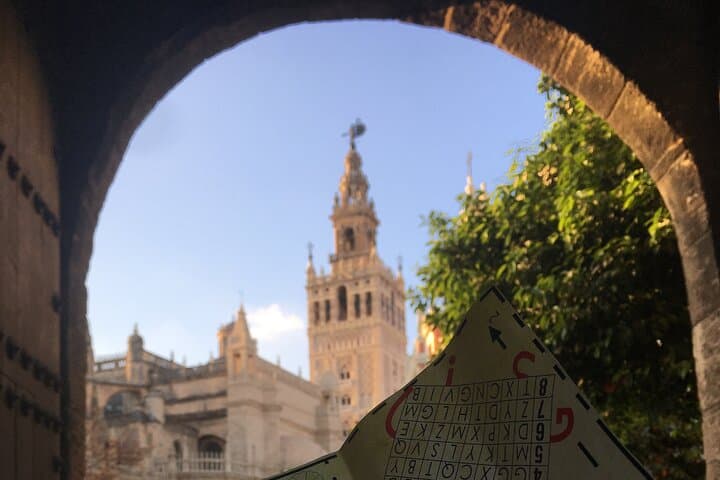
You step off a sun-warmed square and the city becomes a game board: tiles, statues, ornate doorways and a riverbank that all hide clues. The app pings, a short briefing scrolls across your screen, and a mission unfolds that threads you past the Giralda’s shadow and into narrow lanes where tiles clack underfoot.
You step off a sun-warmed square and the city becomes a game board: tiles, statues, ornate doorways and a riverbank that all hide clues. The app pings, a short briefing scrolls across your screen, and a mission unfolds that threads you past the Giralda’s shadow and into narrow lanes where tiles clack underfoot.
Seville’s streets are layered—Roman foundations, an extended Moorish period visible in brick and plaster, and later Castilian overlays after the Reconquista. The Guadalquivir river has shaped neighborhoods like Triana, a ceramic-making quarter, while plazas once used for markets now host your first puzzle. The experience is equal parts city tour and escape-room logic; tasks lean on local architecture, statues and inscriptions to make history tangible rather than didactic.
Expect 2–3 kilometers of mostly flat walking on paved streets and occasional cobbles. The route favors curiosity over cardio: teams of two to six puzzle together, families included. Language options vary by operator, so check before you book if you need English instructions.
Practical prep matters: bring a fully charged smartphone, a small power bank, and comfortable shoes for standing and short sprints between checkpoints. Start in the morning or early evening to avoid midafternoon heat in summer. Public transport and taxis are plentiful for return trips; the route usually finishes near cafes and tapas bars—ideal for debriefing over chilled drinks.
This urban game turns monument-hopping into a playful mission—history and modern city life nudging you forward as you solve, walk and see Seville with sharper eyes.