THE ADVENTURE COLLECTIVE® · Independent discovery and booking for outdoor travel

A focused two-hour private walk through Seville’s Plaza de España and María Luisa Park that pairs architectural history with easy, shaded paths. Ideal for travelers who want close, personalized insight into the city’s 1929 exposition landmarks.
A focused two-hour private walk through Seville’s Plaza de España and María Luisa Park that pairs architectural history with easy, shaded paths. Ideal for travelers who want close, personalized insight into the city’s 1929 exposition landmarks.
You arrive on a wide, sun-bright square where ceramic tiles map Spain’s provinces and a shallow canal curves like an old story. The Plaza de España opens with its semi-circular colonnade and bench-lined alcoves; palms and plane trees in the adjacent María Luisa Park push shade across gravel paths and ponds alive with coots and dragonflies.
Verified experiences and guided adventures in the surrounding area.
Operated by Tickets4u · Seville, Andalusia
You arrive on a wide, sun-bright square where ceramic tiles map Spain’s provinces and a shallow canal curves like an old story. The Plaza de España opens with its semi-circular colonnade and bench-lined alcoves; palms and plane trees in the adjacent María Luisa Park push shade across gravel paths and ponds alive with coots and dragonflies.
Built for the 1929 Ibero-American Exposition by architect Aníbal González, the Plaza is a study in regional pride: painted azulejos, ornate bridges, and a façade that reads like a catalog of Andalusian craft. María Luisa Park was donated to the city by the Infanta María Luisa and reshaped in the early 20th century into the leafy promenade locals use to escape downtown heat. Geologically, Seville rests on the Guadalquivir basin—flat, riverine terraces that make long, easy walks possible and produce the park’s marshy pockets and palms.
A private guide tightens the visit: skip the crowd rhythms, pause at each provincial tile, and follow quieter alleys to shaded Puerta de San Jerónimo. Expect urban birdlife—parakeets and herons—and sculptures that mark Spain’s more recent civic ambitions.
Practical guidance: this two-hour walk is largely flat and stroller-friendly but requires roughly two hours of standing and light walking. Sunscreen and water matter more than technical gear. Morning or late-afternoon slots avoid the midday sun; if rain appears, paths get slick near ponds. Bring comfortable shoes, a hat, and a small bottle—your guide will handle logistics and narrative detail so you can focus on sightlines, tiles, and the small human stories braided into Seville’s public spaces.
easy.
2 hours.
Suitable for most fitness levels; involves standing, short walking intervals and minimal elevation change.
The tour is two hours long (120 minutes) and focuses on Plaza de España and María Luisa Park.
Admissions to the public spaces are included; guided access covers the main monuments but not separate-entry museums unless specified.
The route is largely flat and stroller-accessible; inform the operator of mobility needs when booking to confirm suitability.
Tipping is discretionary—small gestures are appreciated and common for excellent private guiding services.
Plaza de España and María Luisa Park were major features of the 1929 Ibero‑American Exposition; Aníbal González designed the plaza as a showcase of regional ceramics and craft.
These sites are heavily visited—stick to paths, avoid touching fragile tiles, and don’t feed wildlife to minimize disturbance.
Tickets4u operates guided outdoor trips and adventures with an emphasis on safety, stewardship, and memorable experiences.
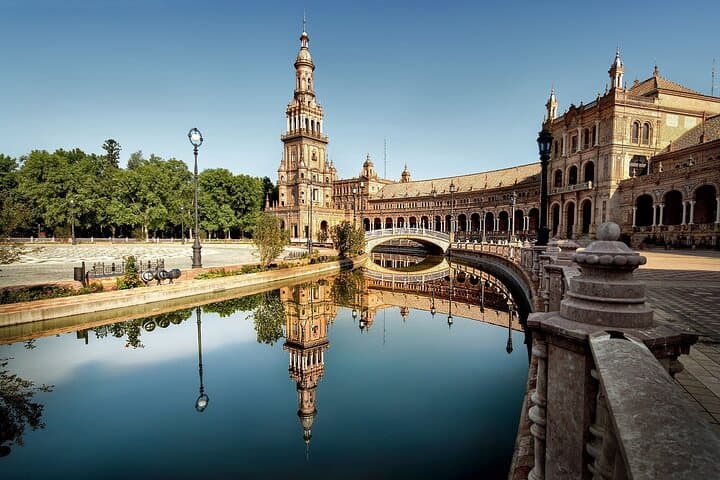
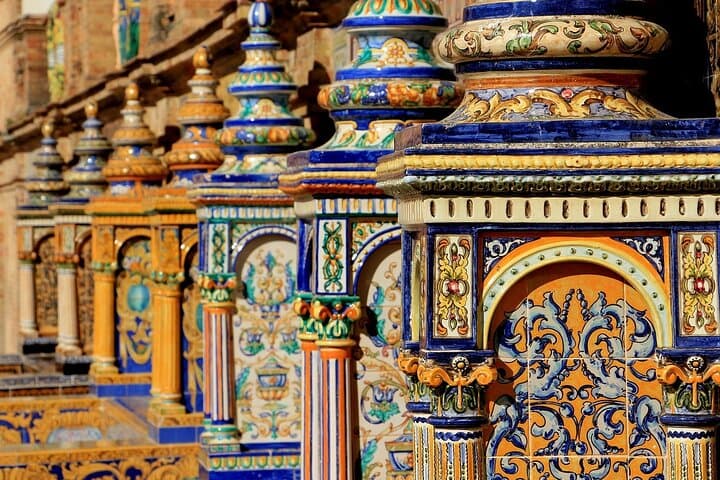
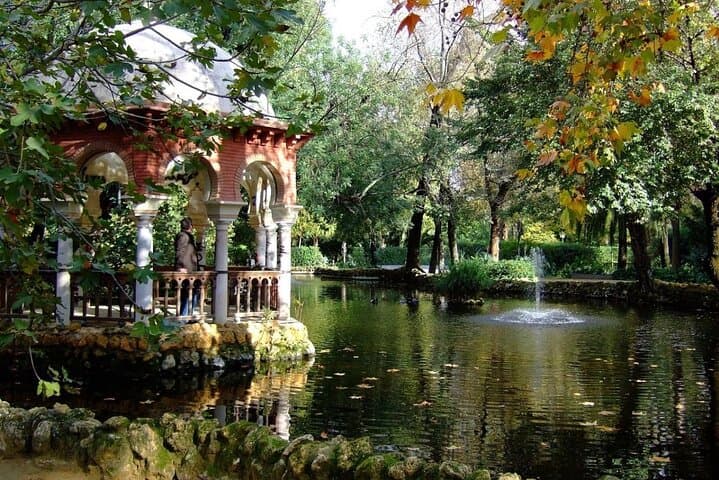
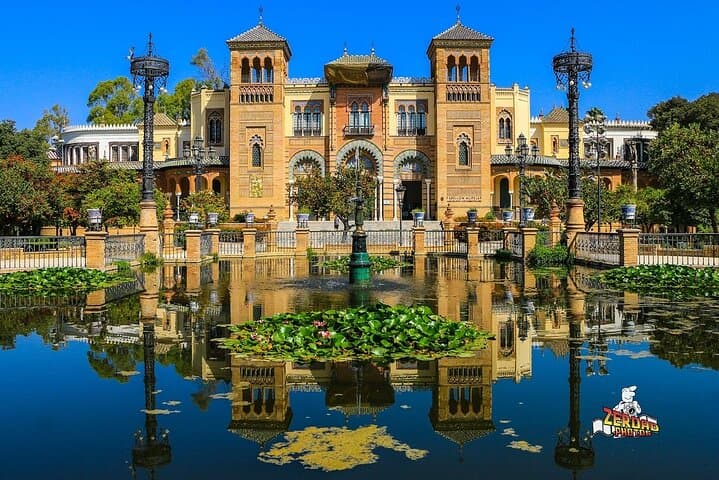
You arrive on a wide, sun-bright square where ceramic tiles map Spain’s provinces and a shallow canal curves like an old story. The Plaza de España opens with its semi-circular colonnade and bench-lined alcoves; palms and plane trees in the adjacent María Luisa Park push shade across gravel paths and ponds alive with coots and dragonflies.
You arrive on a wide, sun-bright square where ceramic tiles map Spain’s provinces and a shallow canal curves like an old story. The Plaza de España opens with its semi-circular colonnade and bench-lined alcoves; palms and plane trees in the adjacent María Luisa Park push shade across gravel paths and ponds alive with coots and dragonflies.
Built for the 1929 Ibero-American Exposition by architect Aníbal González, the Plaza is a study in regional pride: painted azulejos, ornate bridges, and a façade that reads like a catalog of Andalusian craft. María Luisa Park was donated to the city by the Infanta María Luisa and reshaped in the early 20th century into the leafy promenade locals use to escape downtown heat. Geologically, Seville rests on the Guadalquivir basin—flat, riverine terraces that make long, easy walks possible and produce the park’s marshy pockets and palms.
A private guide tightens the visit: skip the crowd rhythms, pause at each provincial tile, and follow quieter alleys to shaded Puerta de San Jerónimo. Expect urban birdlife—parakeets and herons—and sculptures that mark Spain’s more recent civic ambitions.
Practical guidance: this two-hour walk is largely flat and stroller-friendly but requires roughly two hours of standing and light walking. Sunscreen and water matter more than technical gear. Morning or late-afternoon slots avoid the midday sun; if rain appears, paths get slick near ponds. Bring comfortable shoes, a hat, and a small bottle—your guide will handle logistics and narrative detail so you can focus on sightlines, tiles, and the small human stories braided into Seville’s public spaces.