THE ADVENTURE COLLECTIVE® · Independent discovery and booking for outdoor travel

A full-day guided loop from Madrid through Córdoba’s Mezquita and Seville’s cathedral quarter—this small-group tour pairs rail travel with skip-the-line access to Andalusia’s most layered monuments.
A full-day guided loop from Madrid through Córdoba’s Mezquita and Seville’s cathedral quarter—this small-group tour pairs rail travel with skip-the-line access to Andalusia’s most layered monuments.
You step onto the train as Madrid blurs into sun-baked olive country; by midmorning the arcades and red-tiled roofs of Córdoba come into focus. The Mezquita—an aisle forest of striped arches—pulls the group into a cool, shadowed world where light threads through horseshoe openings and carved capitals tell of Roman, Visigothic and Umayyad hands.
Verified experiences and guided adventures in the surrounding area.
Operated by BARCELONA LANDS · Córdoba, Andalusia
You step onto the train as Madrid blurs into sun-baked olive country; by midmorning the arcades and red-tiled roofs of Córdoba come into focus. The Mezquita—an aisle forest of striped arches—pulls the group into a cool, shadowed world where light threads through horseshoe openings and carved capitals tell of Roman, Visigothic and Umayyad hands.
The day moves like a score of architectural episodes: Córdoba’s mosque-cathedral, begun in 785 under the Umayyads and later adapted as a Gothic cathedral after the Reconquista, reveals how religious and material cultures layered over centuries. In Seville, the Gothic Cathedral and the Giralda tower grew from Moorish foundations; the Alcázar and Torre del Oro recall river trade and military architecture along the Guadalquivir, a river that still nudges the city’s maritime memory.
Geology here is subtle—limestone and riverine sediments repurposed for columns and capitals—while culture reads in patios, tilework and tapas bars where local life continues uninterrupted.
Practically: expect a long day (8–12 hours) with guided, mostly flat walking in historic centers and rail transfers. Small-group limits (around eight) mean quicker entry to major sites but still bring a valid ID or passport, comfortable shoes, and layered clothing; summers demand sun protection, winters a waterproof layer. Leave time for tapas in Córdoba’s old town and an unhurried stroll along Seville’s riverfront terrace—both offer the best way to settle the day’s impressions before the return trip to Madrid.
easy.
8–12 hours.
Light fitness—able to stand and walk for several hours with short periods of sitting; no technical fitness required.
The full-day tour lasts about 8–12 hours and includes guided visits to Seville Cathedral, the Alcázar, Torre del Oro, and the Mosque-Cathedral of Córdoba, plus train transfers between cities as listed.
Most areas visited are wheelchair accessible and transport options are noted as accessible, but some historic interiors may have uneven flooring—check specifics with the operator before booking.
Yes; the itinerary includes free time in Córdoba’s historic center for lunch and self-guided exploration before returning to Madrid.
Yes; entrance to the Mosque-Cathedral and guided visits are included, and small-group touring helps minimize wait times.
The Mezquita began in 785 under the Umayyad emirate and later incorporated Gothic, Renaissance and Baroque elements when converted into a cathedral after the 13th-century Reconquista.
Both Córdoba and Seville’s historic centers are UNESCO-protected; respectful visitation, staying on marked paths and following guide instructions helps protect fragile stonework and mosaics.
BARCELONA LANDS operates guided outdoor trips and adventures with an emphasis on safety, stewardship, and memorable experiences.
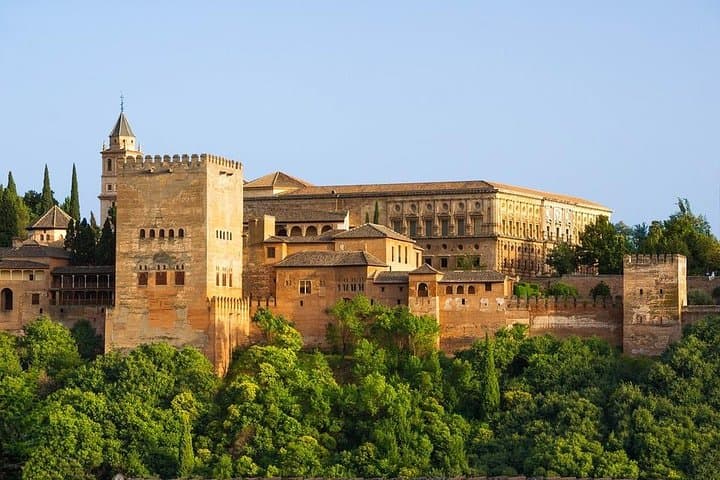
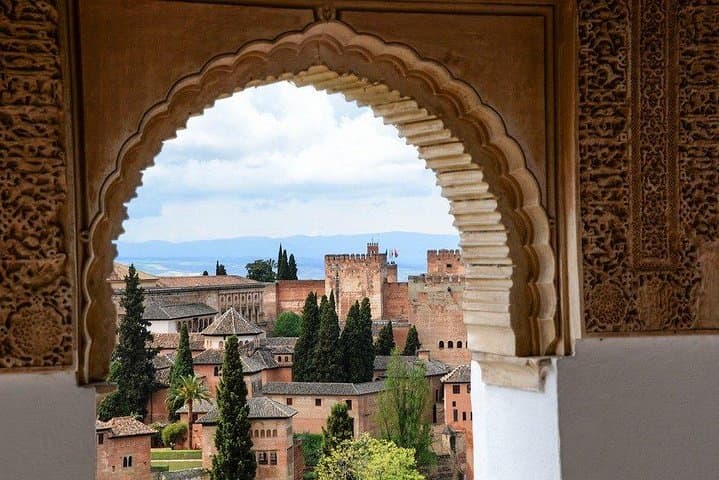
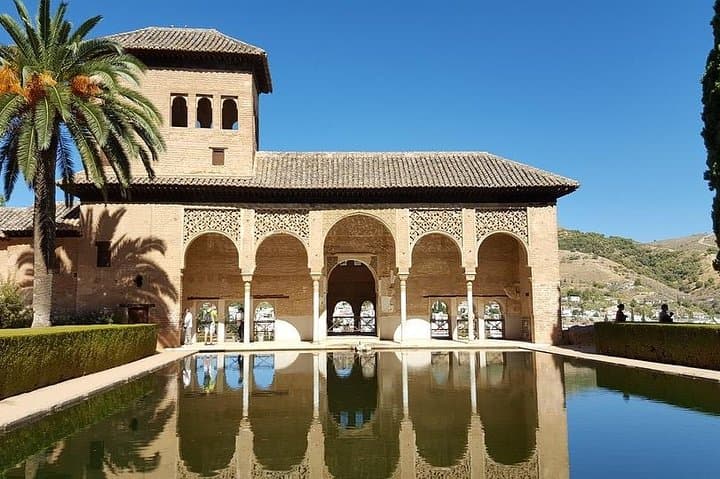
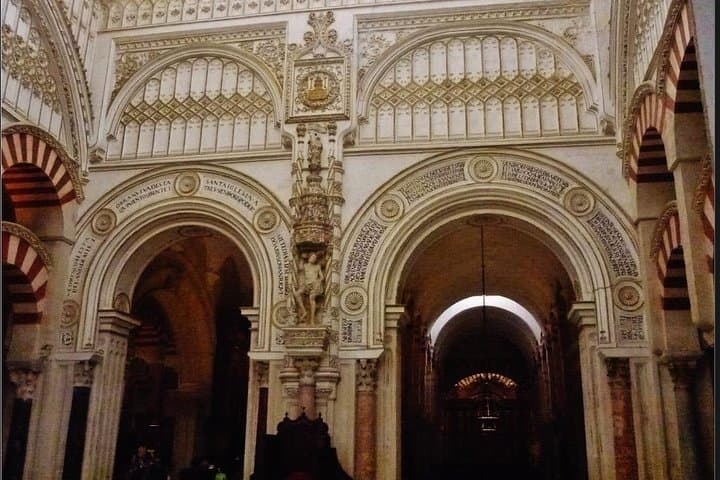
You step onto the train as Madrid blurs into sun-baked olive country; by midmorning the arcades and red-tiled roofs of Córdoba come into focus. The Mezquita—an aisle forest of striped arches—pulls the group into a cool, shadowed world where light threads through horseshoe openings and carved capitals tell of Roman, Visigothic and Umayyad hands.
You step onto the train as Madrid blurs into sun-baked olive country; by midmorning the arcades and red-tiled roofs of Córdoba come into focus. The Mezquita—an aisle forest of striped arches—pulls the group into a cool, shadowed world where light threads through horseshoe openings and carved capitals tell of Roman, Visigothic and Umayyad hands.
The day moves like a score of architectural episodes: Córdoba’s mosque-cathedral, begun in 785 under the Umayyads and later adapted as a Gothic cathedral after the Reconquista, reveals how religious and material cultures layered over centuries. In Seville, the Gothic Cathedral and the Giralda tower grew from Moorish foundations; the Alcázar and Torre del Oro recall river trade and military architecture along the Guadalquivir, a river that still nudges the city’s maritime memory.
Geology here is subtle—limestone and riverine sediments repurposed for columns and capitals—while culture reads in patios, tilework and tapas bars where local life continues uninterrupted.
Practically: expect a long day (8–12 hours) with guided, mostly flat walking in historic centers and rail transfers. Small-group limits (around eight) mean quicker entry to major sites but still bring a valid ID or passport, comfortable shoes, and layered clothing; summers demand sun protection, winters a waterproof layer. Leave time for tapas in Córdoba’s old town and an unhurried stroll along Seville’s riverfront terrace—both offer the best way to settle the day’s impressions before the return trip to Madrid.