THE ADVENTURE COLLECTIVE® · Independent discovery and booking for outdoor travel

See all seven UNESCO World Heritage sites in Kathmandu Valley in a single long day—stupas, durbar squares, temples and living rituals stitched together by a private vehicle and guide. Practical details and cultural tips to make the most of a 12‑hour cultural sprint.
See all seven UNESCO World Heritage sites in Kathmandu Valley in a single long day—stupas, durbar squares, temples and living rituals stitched together by a private vehicle and guide. Practical details and cultural tips to make the most of a 12‑hour cultural sprint.
Dawn breaks over the Kathmandu Valley and prayer flags snap like flags of arrival as your driver threads lanes toward the first stupa. The city wakes in layers: vendors arranging marigolds, sadhus in saffron moving through alleys, monkeys claiming temple terraces. In a single long day you move between domes of white plaster, tiered pagodas of carved timber, and crimson-brick courtyards where stone guardians watch traffic and worship alike.
Verified experiences and guided adventures in the surrounding area.
Operated by Himalayan Planet Adventures · Kathmandu, Bagmati Province
Dawn breaks over the Kathmandu Valley and prayer flags snap like flags of arrival as your driver threads lanes toward the first stupa. The city wakes in layers: vendors arranging marigolds, sadhus in saffron moving through alleys, monkeys claiming temple terraces. In a single long day you move between domes of white plaster, tiered pagodas of carved timber, and crimson-brick courtyards where stone guardians watch traffic and worship alike.
The seven stops—Swayambhunath and Boudhanath stupas, Kathmandu, Patan and Bhaktapur Durbar Squares, Pashupatinath, and the ancient hill temple at Changu Narayan—trace the valley’s history from early medieval Newar craft to living Hindu and Buddhist ritual. Geologically, the valley sits in a river basin ringed by foothills, its seismic history shaping rooflines and recent conservation work. Expect to see bridal processions, ceremonial smoke at cremation ghats on the Bagmati, and craftsmen carving centuries-old motifs by hand.
This is a cultural walking tour with a private vehicle linking sites: the full itinerary runs about 12 hours (typically 7:00–19:00), includes a professional guide and hotel pickup inside Kathmandu’s ring road, and is suitable for most fitness levels. Entrance fees are often separate; plan cash for small payments, lunch, and donations. Dress modestly at temples—cover shoulders and knees—and carry a refillable water bottle; shade is limited at some squares. Peak visibility comes in autumn and spring; monsoon months add humidity and occasional closures.
Practical pacing: build in short breaks in Bhaktapur to sample local curd, and allow time at Boudhanath for circumambulation and quiet. Respect photography rules around certain rituals and Sadhus. With a steady guide and a patient schedule, the day stitches together seven distinct living monuments into a single, intense portrait of Kathmandu Valley.
easy.
12 hours (full‑day).
Light walking and stair climbing throughout the day; suitable for people in basic everyday fitness.
Most site admissions are not included; bring cash for entrance fees and small donations—your guide can advise exact amounts.
Yes—hotel pickup and drop-off inside Kathmandu’s ring road are included as specified on booking.
The tour is listed as physically easy, but infants must sit on an adult’s lap; long duration can be tiring for young children.
Lunch is not typically included—there will be opportunities to eat at local restaurants, and your guide can recommend venues.
Kathmandu Valley’s seven World Heritage Sites reflect centuries of Newar craftsmanship and Malla-era palace building, with living Hindu and Buddhist traditions still practiced daily.
Many monuments are earthquake‑vulnerable and under active restoration; visitors can help by staying on paths, not climbing fragile structures, and supporting local conservation fees.
Himalayan Planet Adventures operates guided outdoor trips and adventures with an emphasis on safety, stewardship, and memorable experiences.
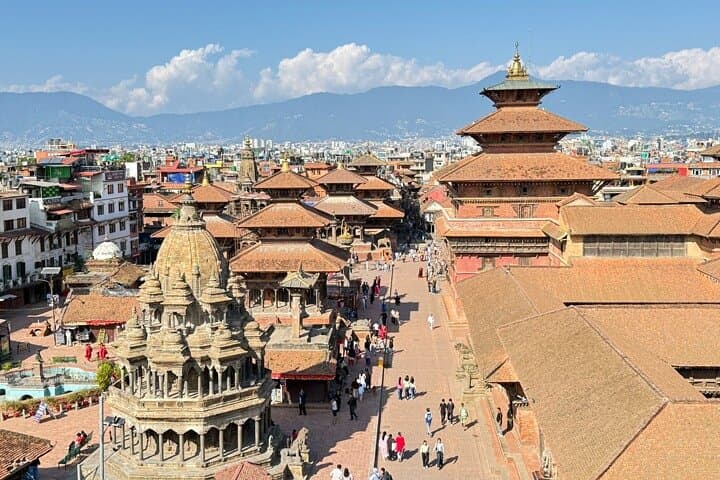
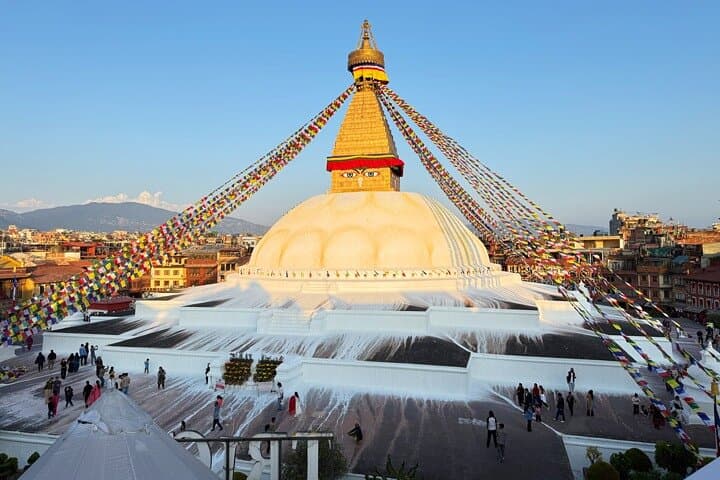
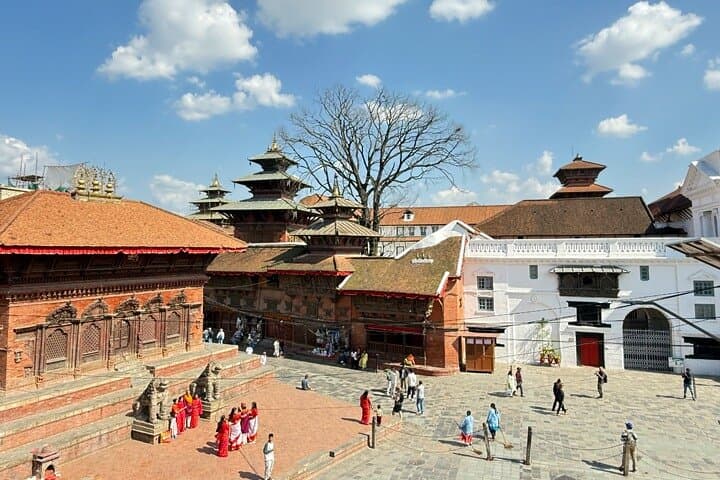
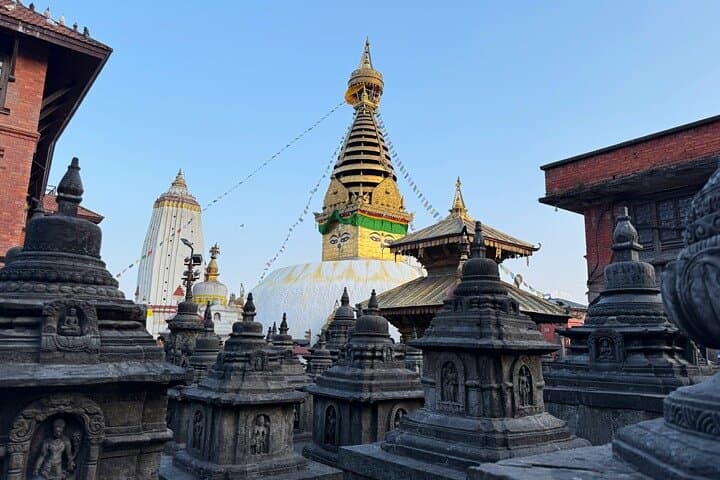
Dawn breaks over the Kathmandu Valley and prayer flags snap like flags of arrival as your driver threads lanes toward the first stupa. The city wakes in layers: vendors arranging marigolds, sadhus in saffron moving through alleys, monkeys claiming temple terraces. In a single long day you move between domes of white plaster, tiered pagodas of carved timber, and crimson-brick courtyards where stone guardians watch traffic and worship alike.
Dawn breaks over the Kathmandu Valley and prayer flags snap like flags of arrival as your driver threads lanes toward the first stupa. The city wakes in layers: vendors arranging marigolds, sadhus in saffron moving through alleys, monkeys claiming temple terraces. In a single long day you move between domes of white plaster, tiered pagodas of carved timber, and crimson-brick courtyards where stone guardians watch traffic and worship alike.
The seven stops—Swayambhunath and Boudhanath stupas, Kathmandu, Patan and Bhaktapur Durbar Squares, Pashupatinath, and the ancient hill temple at Changu Narayan—trace the valley’s history from early medieval Newar craft to living Hindu and Buddhist ritual. Geologically, the valley sits in a river basin ringed by foothills, its seismic history shaping rooflines and recent conservation work. Expect to see bridal processions, ceremonial smoke at cremation ghats on the Bagmati, and craftsmen carving centuries-old motifs by hand.
This is a cultural walking tour with a private vehicle linking sites: the full itinerary runs about 12 hours (typically 7:00–19:00), includes a professional guide and hotel pickup inside Kathmandu’s ring road, and is suitable for most fitness levels. Entrance fees are often separate; plan cash for small payments, lunch, and donations. Dress modestly at temples—cover shoulders and knees—and carry a refillable water bottle; shade is limited at some squares. Peak visibility comes in autumn and spring; monsoon months add humidity and occasional closures.
Practical pacing: build in short breaks in Bhaktapur to sample local curd, and allow time at Boudhanath for circumambulation and quiet. Respect photography rules around certain rituals and Sadhus. With a steady guide and a patient schedule, the day stitches together seven distinct living monuments into a single, intense portrait of Kathmandu Valley.