THE ADVENTURE COLLECTIVE® · Independent discovery and booking for outdoor travel

A full-day private tour from Cusco that threads seven high-altitude lagoons beneath the towering Ausangate peak. Expect colorful alpine lakes, Quechua highland culture, a hot-springs finish, and a long but rewarding day on road and trail.
A full-day private tour from Cusco that threads seven high-altitude lagoons beneath the towering Ausangate peak. Expect colorful alpine lakes, Quechua highland culture, a hot-springs finish, and a long but rewarding day on road and trail.
High-altitude light skims slate ridges as you climb away from the clustered roofs of Cusco; by midmorning the road unwinds into puna grasslands and the jagged silhouette of Ausangate thickens on the horizon. The seven lagoons appear like color notes—deep blues, greens and a mineral-streaked red—each basin framed by moraine and wind-scoured slopes, the peak of Ausangate towering above at over 6,300 meters.
Verified experiences and guided adventures in the surrounding area.
Operated by Sparrow Explorer Travel · Cusco, Cusco
High-altitude light skims slate ridges as you climb away from the clustered roofs of Cusco; by midmorning the road unwinds into puna grasslands and the jagged silhouette of Ausangate thickens on the horizon. The seven lagoons appear like color notes—deep blues, greens and a mineral-streaked red—each basin framed by moraine and wind-scoured slopes, the peak of Ausangate towering above at over 6,300 meters.
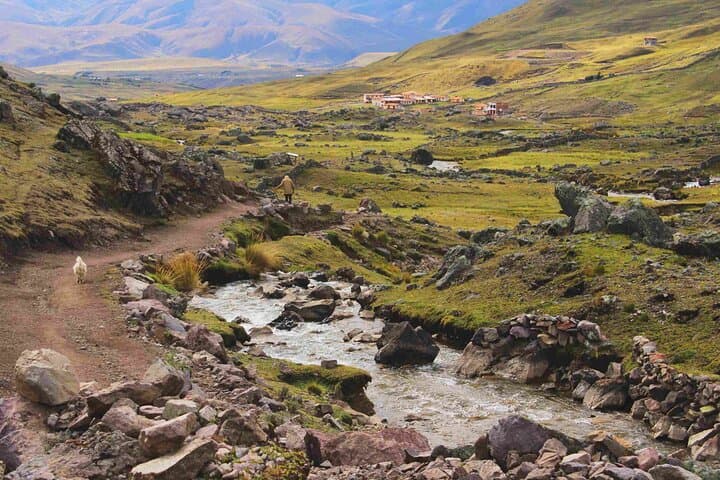
Geology here is blunt: glacial action carved basins, mineral-rich runoff tints waters, and seasonal melt refills shallow highland wetlands. Culturally the area remains Quechua country; Ausangate is an Apu, a mountain spirit honored in local pilgrimages and offerings. Small pastoral communities keep llamas and alpacas on the high slopes and you may pass shepherds moving stock between pastures.
Expect a long day: tour logistics typically include pickup in Cusco, about three hours of scenic driving each way, a guided circuit of the lagoons with short hikes between viewpoints, an optional horse transfer for steeper sections, and a soak at Pacchanta hot springs. The operator often provides breakfast, buffet lunch, bottled water, a first-aid kit and even oxygen for high-altitude comfort.
Practical tips: acclimatize in Cusco for 24–48 hours before the outing, layer for cold, wind and sun, and carry snacks and a camera with spare batteries (cold shortens life). Footwear with firm ankle support and trekking poles make uneven terrain easier. Plan the visit in the dry season for clearer skies, and always follow Leave No Trace practices to protect fragile puna wetlands.
moderate.
10–12 hours.
Moderate fitness with prior short hikes at altitude; being acclimatized to 3,500–4,500 m is recommended
Expect approximately three hours each way by private vehicle, depending on road and weather conditions.
The walking between lagoons is moderate but high altitude can make it feel harder; beginners should be acclimatized and paced conservatively.
Yes, operators commonly offer a round-trip horse option to cover steeper sections to the lagoons for an additional fee.
Entrance to Pacchanta hot springs is typically included in the tour and provides a restorative soak after the hike.
Ausangate is a sacred Apu in Quechua belief and a focal point for traditional pilgrimages; the mountain has shaped local pastoral routes for centuries.
High-altitude wetlands and lagoons are ecologically fragile; stick to trails, avoid contaminating water, and respect grazing areas to minimize impact.
Sparrow Explorer Travel operates guided outdoor trips and adventures with an emphasis on safety, stewardship, and memorable experiences.
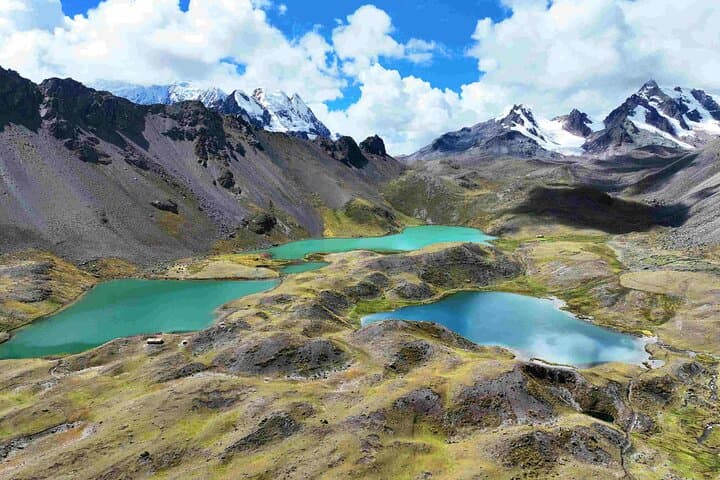
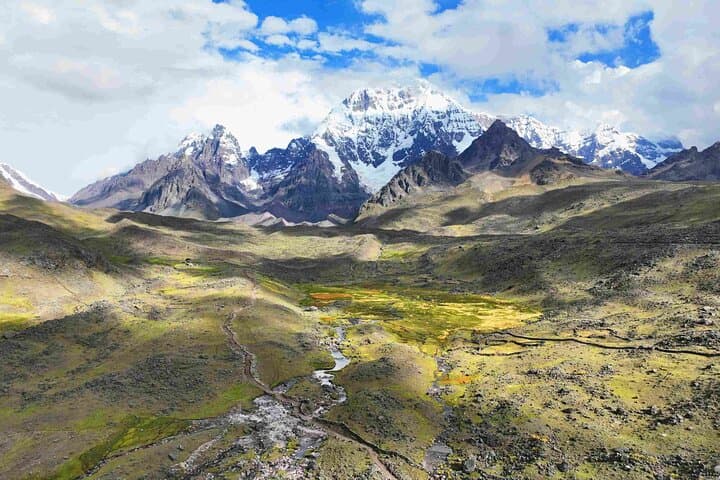
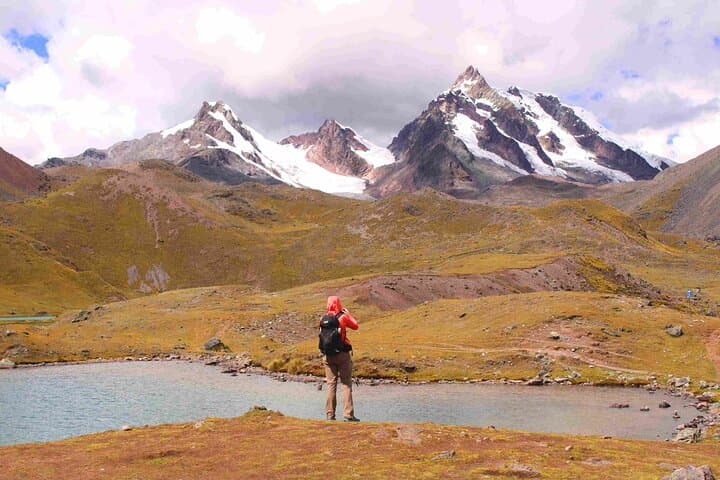
High-altitude light skims slate ridges as you climb away from the clustered roofs of Cusco; by midmorning the road unwinds into puna grasslands and the jagged silhouette of Ausangate thickens on the horizon. The seven lagoons appear like color notes—deep blues, greens and a mineral-streaked red—each basin framed by moraine and wind-scoured slopes, the peak of Ausangate towering above at over 6,300 meters.
High-altitude light skims slate ridges as you climb away from the clustered roofs of Cusco; by midmorning the road unwinds into puna grasslands and the jagged silhouette of Ausangate thickens on the horizon. The seven lagoons appear like color notes—deep blues, greens and a mineral-streaked red—each basin framed by moraine and wind-scoured slopes, the peak of Ausangate towering above at over 6,300 meters.
Geology here is blunt: glacial action carved basins, mineral-rich runoff tints waters, and seasonal melt refills shallow highland wetlands. Culturally the area remains Quechua country; Ausangate is an Apu, a mountain spirit honored in local pilgrimages and offerings. Small pastoral communities keep llamas and alpacas on the high slopes and you may pass shepherds moving stock between pastures.
Expect a long day: tour logistics typically include pickup in Cusco, about three hours of scenic driving each way, a guided circuit of the lagoons with short hikes between viewpoints, an optional horse transfer for steeper sections, and a soak at Pacchanta hot springs. The operator often provides breakfast, buffet lunch, bottled water, a first-aid kit and even oxygen for high-altitude comfort.
Practical tips: acclimatize in Cusco for 24–48 hours before the outing, layer for cold, wind and sun, and carry snacks and a camera with spare batteries (cold shortens life). Footwear with firm ankle support and trekking poles make uneven terrain easier. Plan the visit in the dry season for clearer skies, and always follow Leave No Trace practices to protect fragile puna wetlands.