THE ADVENTURE COLLECTIVE® · Independent discovery and booking for outdoor travel

Trace historic caravan routes from Marrakesh to the Merzouga dunes on this seven-night exploration of kasbahs, gorges and Sahara bivouacs. Expect film-ready landscapes, nights under Berber tents, and a steady rhythm of driving, walking and camel trekking.
Trace historic caravan routes from Marrakesh to the Merzouga dunes on this seven-night exploration of kasbahs, gorges and Sahara bivouacs. Expect film-ready landscapes, nights under Berber tents, and a steady rhythm of driving, walking and camel trekking.
A low sun slices the dunes into ridges of copper and shadow as camels, patient as history itself, step across the lip of Erg Chebbi. At night the sky here doesn’t just hang over you; it leans in—stars so sharp they feel close enough to map your route.
Verified experiences and guided adventures in the surrounding area.
Operated by Ricks voyages · Merzouga, Drâa-Tafilalet
A low sun slices the dunes into ridges of copper and shadow as camels, patient as history itself, step across the lip of Erg Chebbi. At night the sky here doesn’t just hang over you; it leans in—stars so sharp they feel close enough to map your route.
This eight-day route follows centuries-old trans-Saharan caravan corridors: salt and gold once moved along these tracks between Marrakesh, Aït Ben Haddou and the Sahara, leaving behind fortified kasbahs, palm oases and layered Berber architecture. Geologically the region is an interface of High Atlas fold mountains, river-carved gorges and wind-sculpted dunes of fine quartz sand. Culturally you’ll find Amazigh (Berber) hospitality, from riads in Marrakesh to tents outside Merzouga where songs keep time with the campfire.
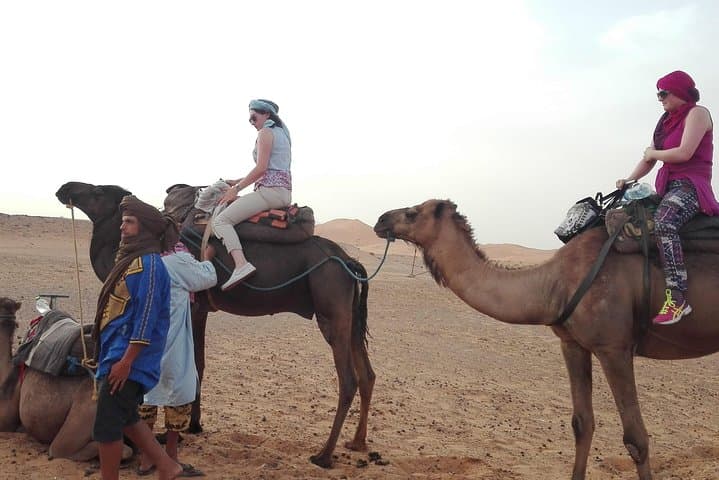
Highlights include the UNESCO kasbah of Aït Ben Haddou, the cinematic landscapes around Ouarzazate, the 300m limestone walls of the Todra Gorges and the vast Merzouga dunes where camel treks and bivouac nights are standard. The desert’s silence can feel alive—winds that rearrange the sand, dunes that shift overnight, and date palms that mark old watercourses.
Practical guidance: travel by 4x4 or private car along tarmacked and unpaved roads; expect long driving days with stops for short walks. Bring layered clothing for hot days and cold desert nights, sun protection, reusable water, and a headlamp for camp. Bookings commonly include hotels, a night in a desert bivouac with solar showers, some dinners and breakfasts, and a driver-guide. For comfort and safety, stay hydrated, pace dune climbs, and respect local customs when visiting villages and mosques.
moderate.
7–8 days.
Suitable for travelers with average fitness; expect dune walks, short hikes in gorges and long vehicle transfers
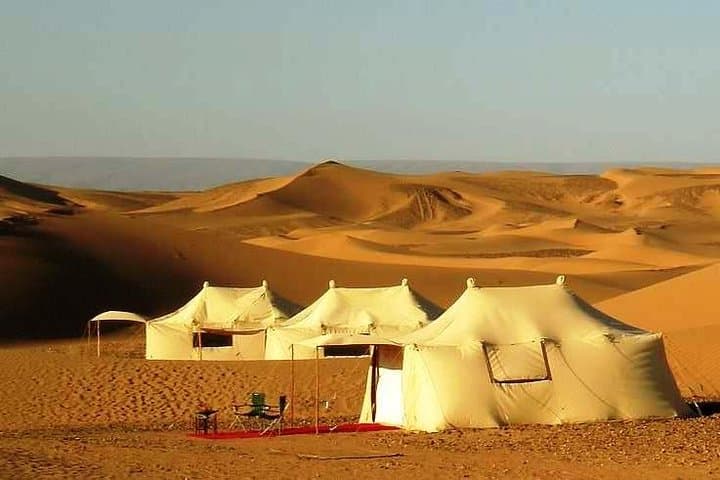
Bivouac camps typically provide beds, solar lighting and basic wash facilities; expect simple comforts rather than hotel standards.
Visa and vaccination requirements depend on your nationality—check Moroccan entry rules and consult a travel clinic for recommended vaccinations before departure.
This itinerary includes several multi-hour transfers between Marrakesh, Ouarzazate, Merzouga and Todra; days combine driving with short guided walks or visits.
The operator offers a self-drive option for qualified drivers; roads include mountain passes and unpaved stretches—4x4 is recommended for confidence on dirt tracks.
These routes trace historic trans-Saharan caravan tracks that connected Marrakesh and Fez with sub-Saharan trade centers; kasbahs served as fortified nodes in that network.
The Sahara’s fragile desert soils and sparse water resources are vulnerable to erosion and overuse—stick to established tracks, avoid lighting uncontrolled fires, and limit single-use plastics.
Ricks voyages operates guided outdoor trips and adventures with an emphasis on safety, stewardship, and memorable experiences.
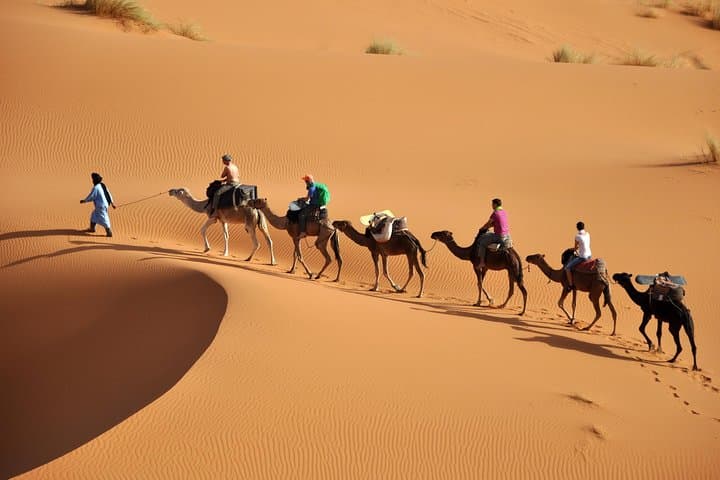
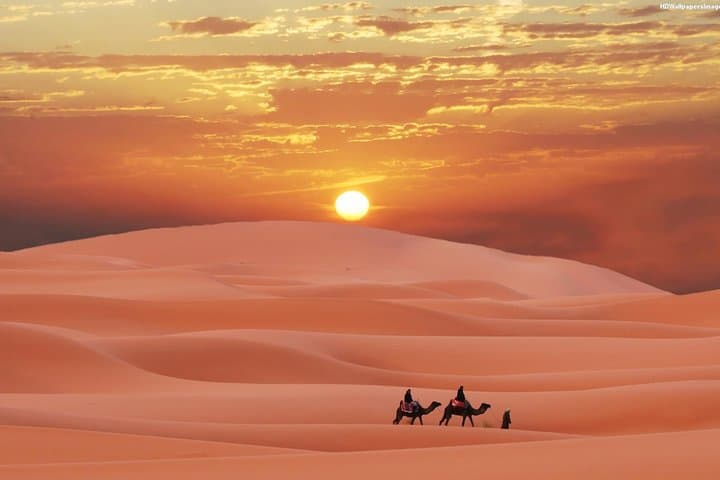
A low sun slices the dunes into ridges of copper and shadow as camels, patient as history itself, step across the lip of Erg Chebbi. At night the sky here doesn’t just hang over you; it leans in—stars so sharp they feel close enough to map your route.
A low sun slices the dunes into ridges of copper and shadow as camels, patient as history itself, step across the lip of Erg Chebbi. At night the sky here doesn’t just hang over you; it leans in—stars so sharp they feel close enough to map your route.
This eight-day route follows centuries-old trans-Saharan caravan corridors: salt and gold once moved along these tracks between Marrakesh, Aït Ben Haddou and the Sahara, leaving behind fortified kasbahs, palm oases and layered Berber architecture. Geologically the region is an interface of High Atlas fold mountains, river-carved gorges and wind-sculpted dunes of fine quartz sand. Culturally you’ll find Amazigh (Berber) hospitality, from riads in Marrakesh to tents outside Merzouga where songs keep time with the campfire.
Highlights include the UNESCO kasbah of Aït Ben Haddou, the cinematic landscapes around Ouarzazate, the 300m limestone walls of the Todra Gorges and the vast Merzouga dunes where camel treks and bivouac nights are standard. The desert’s silence can feel alive—winds that rearrange the sand, dunes that shift overnight, and date palms that mark old watercourses.
Practical guidance: travel by 4x4 or private car along tarmacked and unpaved roads; expect long driving days with stops for short walks. Bring layered clothing for hot days and cold desert nights, sun protection, reusable water, and a headlamp for camp. Bookings commonly include hotels, a night in a desert bivouac with solar showers, some dinners and breakfasts, and a driver-guide. For comfort and safety, stay hydrated, pace dune climbs, and respect local customs when visiting villages and mosques.