THE ADVENTURE COLLECTIVE® · Independent discovery and booking for outdoor travel

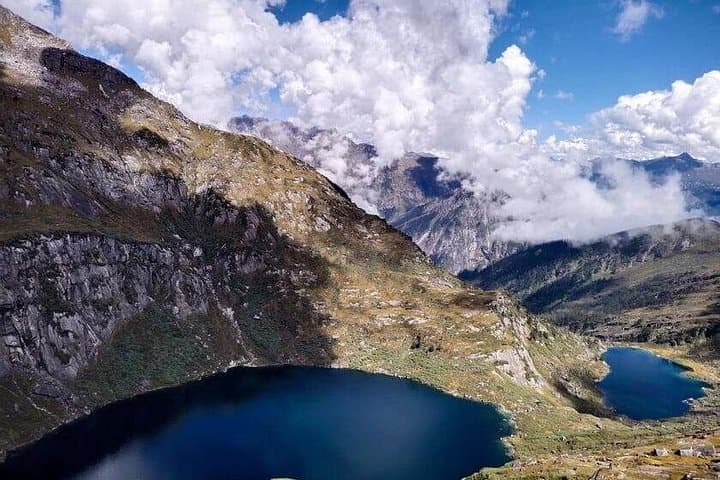
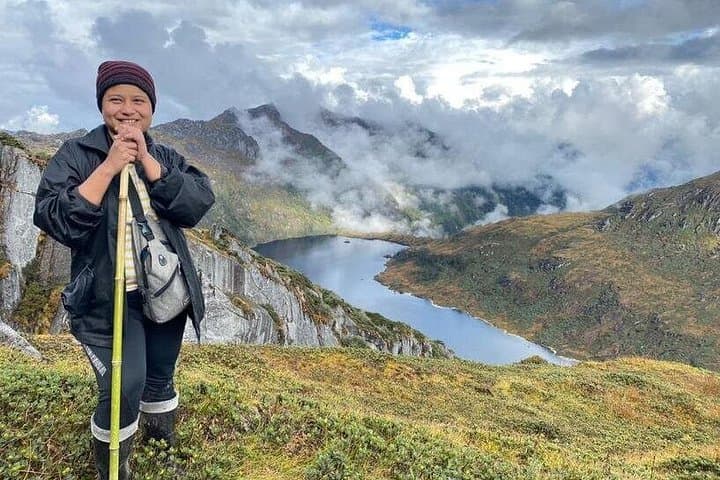
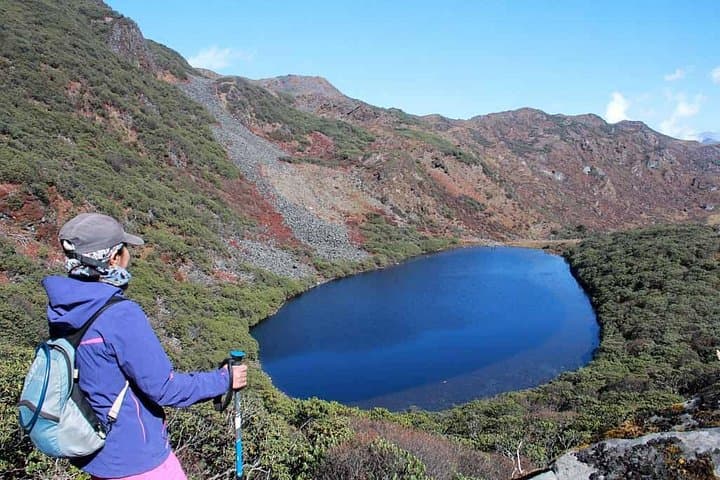
A remote multi-day trek from Emuli Grassland to seven alpine lakes above 12,000 ft, this route offers rainforest, bamboo groves, and clear high-altitude basins around Anini. Expect long approaches, campsite-based exploration, and variable high-mountain weather.
A remote multi-day trek from Emuli Grassland to seven alpine lakes above 12,000 ft, this route offers rainforest, bamboo groves, and clear high-altitude basins around Anini. Expect long approaches, campsite-based exploration, and variable high-mountain weather.
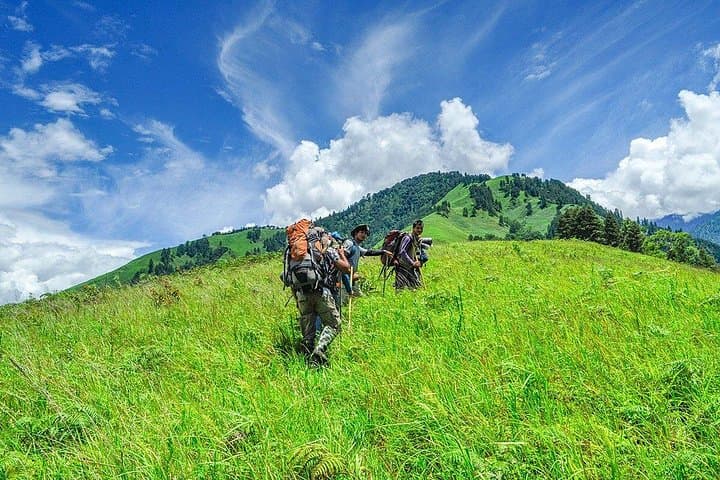
A cold dawn breaks over Emuli Grassland; headlamps carve narrow beams through mist and the first day’s truck rumbles away, leaving you with a stretch of treeless meadow and a sky that feels impossibly close. The Seven Lakes Trek begins here, on trails that climb from bamboo-shrouded ridges into rocky alpine basins where water sits mirror-still.
Verified experiences and guided adventures in the surrounding area.
Operated by The Unexplored · Anini, Arunachal Pradesh
A cold dawn breaks over Emuli Grassland; headlamps carve narrow beams through mist and the first day’s truck rumbles away, leaving you with a stretch of treeless meadow and a sky that feels impossibly close. The Seven Lakes Trek begins here, on trails that climb from bamboo-shrouded ridges into rocky alpine basins where water sits mirror-still.
The Dibang Valley around Anini is geologically young—Himalayan uplift and deep river incision create steep valleys, moraines, and isolated high plateaus. Local Idu Mishmi culture threads through the route: markets in Anini, wooden houses, and stories of Che~ne Lake that long-time residents still tell by firelight. The trek moves through subtropical rainforest and bamboo jungle before breaching a zone of rhododendron and alpine meadows; expect streams, spring-fed lakes, and rocky cols up to roughly 12,900 ft.
Practically, this is a committed multi-day expedition: long drives from Dibrugarh, high-altitude camps, and sections of steep, loose rock. Guides and porters are common; water must often be filtered from streams and campsite fuel is limited to collected wood. Prepare for active flies (locally called Damdum) in lower camps, sudden weather swings, and cold nights once above tree line. Footwear with aggressive tread, layered insulation, and prior multi-day trekking experience make the trip manageable. Plan acclimatization days, carry a map or GPS, and respect local land-use norms—these lakes are remote, beautiful, and weather-dependent, and success comes from steady pacing and careful preparation.
challenging.
12–13 days.
You should be in very good cardiovascular shape with prior experience on multi-day treks and the ability to carry a 10–15 kg daypack.
This is not a beginner route—high altitude, multi-day camping, and steep rocky sections demand prior trekking experience and strong fitness.
Travel to Arunachal Pradesh generally requires an Inner Line Permit or Protected Area Permit for foreign nationals; your operator will advise and often handle local permissions.
Camping in tents at designated campsites is standard; homestays are used only in Anini and Roing before and after the trek.
Late spring to early autumn (May–September) offers the most accessible conditions, though monsoon can bring heavy rain—higher windows include October for clearer skies.
The Dibang Valley lies at the confluence of Tibetan and Indo-Malayan ecological zones; local Idu Mishmi communities have inhabited these slopes for centuries with distinct language and customs.
The high-altitude lakes and surrounding forests are ecologically sensitive; stick to established campsites, pack out waste, and avoid disturbing wildlife to limit impact.
The Unexplored operates guided outdoor trips and adventures with an emphasis on safety, stewardship, and memorable experiences.
A cold dawn breaks over Emuli Grassland; headlamps carve narrow beams through mist and the first day’s truck rumbles away, leaving you with a stretch of treeless meadow and a sky that feels impossibly close. The Seven Lakes Trek begins here, on trails that climb from bamboo-shrouded ridges into rocky alpine basins where water sits mirror-still.
A cold dawn breaks over Emuli Grassland; headlamps carve narrow beams through mist and the first day’s truck rumbles away, leaving you with a stretch of treeless meadow and a sky that feels impossibly close. The Seven Lakes Trek begins here, on trails that climb from bamboo-shrouded ridges into rocky alpine basins where water sits mirror-still.
The Dibang Valley around Anini is geologically young—Himalayan uplift and deep river incision create steep valleys, moraines, and isolated high plateaus. Local Idu Mishmi culture threads through the route: markets in Anini, wooden houses, and stories of Che~ne Lake that long-time residents still tell by firelight. The trek moves through subtropical rainforest and bamboo jungle before breaching a zone of rhododendron and alpine meadows; expect streams, spring-fed lakes, and rocky cols up to roughly 12,900 ft.
Practically, this is a committed multi-day expedition: long drives from Dibrugarh, high-altitude camps, and sections of steep, loose rock. Guides and porters are common; water must often be filtered from streams and campsite fuel is limited to collected wood. Prepare for active flies (locally called Damdum) in lower camps, sudden weather swings, and cold nights once above tree line. Footwear with aggressive tread, layered insulation, and prior multi-day trekking experience make the trip manageable. Plan acclimatization days, carry a map or GPS, and respect local land-use norms—these lakes are remote, beautiful, and weather-dependent, and success comes from steady pacing and careful preparation.