THE ADVENTURE COLLECTIVE® · Independent discovery and booking for outdoor travel

Cross the Uzbek–Tajik border for a full-day drive into the Fann Mountains and discover Haftkul—the Seven Lakes—ranging from emerald shallows to high turquoise basins. This easy trek-and-drive tour pairs village visits and picnic stops with accessible alpine views.
Cross the Uzbek–Tajik border for a full-day drive into the Fann Mountains and discover Haftkul—the Seven Lakes—ranging from emerald shallows to high turquoise basins. This easy trek-and-drive tour pairs village visits and picnic stops with accessible alpine views.
You step into pre-dawn air at your Samarkand hotel, the minivan engine humming as the road climbs toward the Uzbek–Tajik border. A short walk through passport control is the prologue; beyond it the Fann Mountains open into a narrow valley where seven alpine lakes catch sunlight like colored glass.
Verified experiences and guided adventures in the surrounding area.
Operated by TRIP ORIENT · Panjikent, Sughd Region
You step into pre-dawn air at your Samarkand hotel, the minivan engine humming as the road climbs toward the Uzbek–Tajik border. A short walk through passport control is the prologue; beyond it the Fann Mountains open into a narrow valley where seven alpine lakes catch sunlight like colored glass.
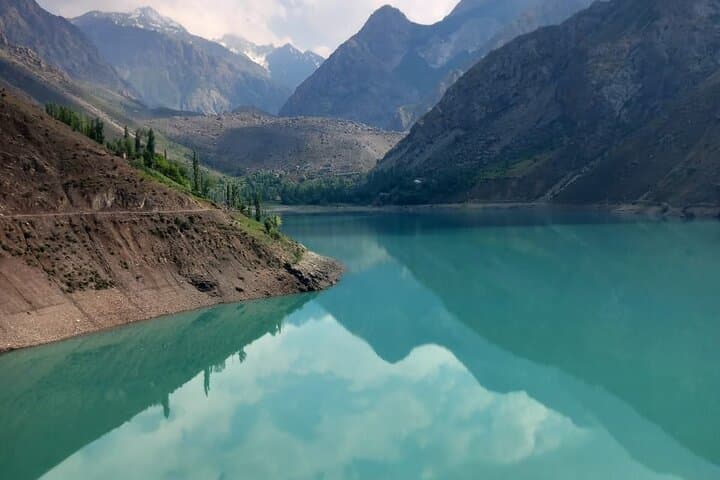
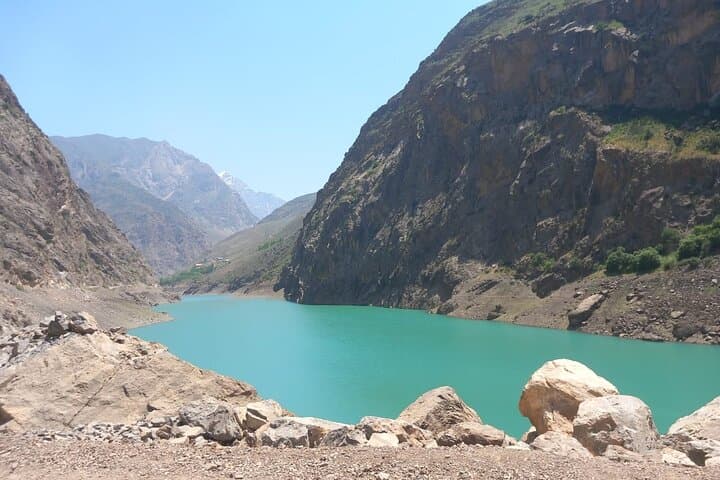
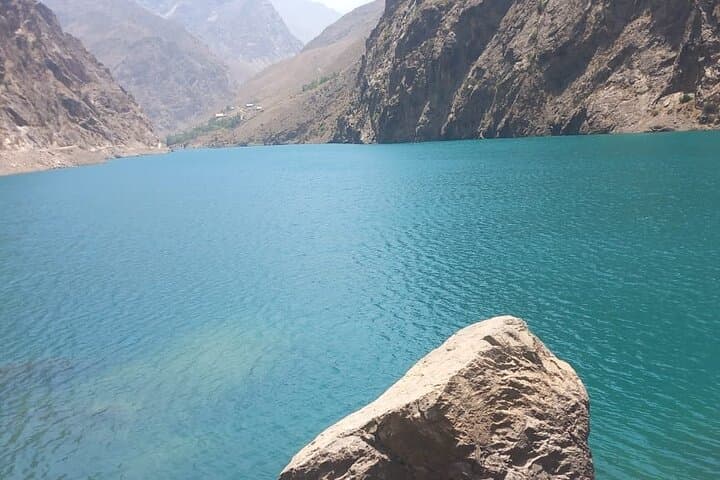
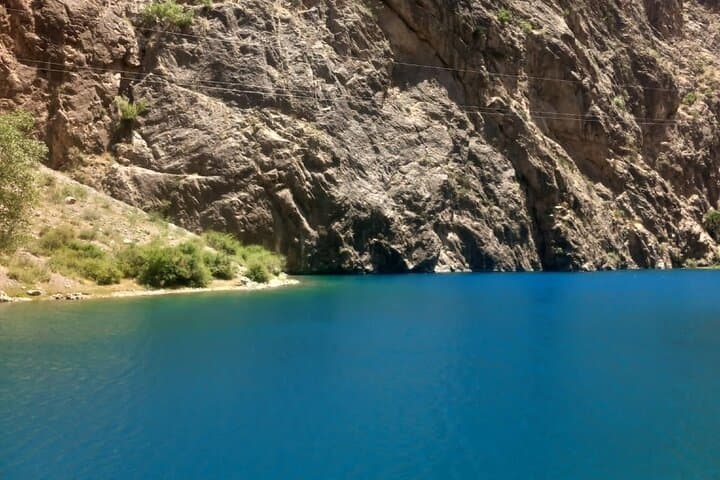
These are the Haftkul—the “Seven Lakes” of local memory—strung between 1,640 and 2,400 meters in glacial bowls carved from ancient uplifted rock. Peaks still wear snow late into summer; meltwater feeds each basin and gives the lakes their emerald and turquoise tones. The route threads past mountain hamlets—Pardut, Khurdak, Marguzor, Shin—where traditional homestays and shepherding practices remain part of daily life. Penjikent, the nearby market town, traces back to Sogdian settlements and acts as the cultural gateway to the lakes.
Practically speaking: the drive from Samarkand via Panjikent takes most of the morning, and the lakes lie more than 14 km apart end-to-end. The tour is marketed as an easy trek—short walks between viewpoints, a picnic stop, and plenty of time to photograph or paddle at the lower basins. Expect rocky switchbacks, loose scree near higher basins, and rapidly changing weather. Pack passport copies for the border, a daypack with 2–3 liters of water, sun protection, and layers for wind and afternoon chill. Peak visiting window is late June–mid-September for accessible trails; July–August offers the most stable conditions. The day is long—plan for 8–9 hours—and rewarding: lakes that dare you to pause, peaks that push the sky back, and a close look at mountain life in the western Pamirs.
easy.
8–9 hours.
Suitable for travelers in regular physical condition comfortable with several short hikes and a long day of travel
Visa rules vary by nationality; many Europeans can cross for short trips without a visa but confirm requirements ahead of travel and bring passport copies.
Hikes are generally short and classified easy—mostly lakeside walks and viewpoints—though trails can be uneven and include short ascents.
The highest lakes reach about 2,400 m; most travelers tolerate this well, but stay hydrated, move slowly during hikes, and mention any symptoms to your guide.
Expect basic facilities in Panjikent and small shops en route; at the lakes you’ll rely on picnic lunches and simple village homestays for amenities.
Penjikent and the surrounding valleys are part of the Sogdian cultural area with ruins and trade-route history feeding into local crafts and cuisine.
The Fann area is sensitive to litter and unregulated camping; follow leave-no-trace practices, use established homestays, and avoid disturbing shores and wildlife.
TRIP ORIENT operates guided outdoor trips and adventures with an emphasis on safety, stewardship, and memorable experiences.
You step into pre-dawn air at your Samarkand hotel, the minivan engine humming as the road climbs toward the Uzbek–Tajik border. A short walk through passport control is the prologue; beyond it the Fann Mountains open into a narrow valley where seven alpine lakes catch sunlight like colored glass.
You step into pre-dawn air at your Samarkand hotel, the minivan engine humming as the road climbs toward the Uzbek–Tajik border. A short walk through passport control is the prologue; beyond it the Fann Mountains open into a narrow valley where seven alpine lakes catch sunlight like colored glass.
These are the Haftkul—the “Seven Lakes” of local memory—strung between 1,640 and 2,400 meters in glacial bowls carved from ancient uplifted rock. Peaks still wear snow late into summer; meltwater feeds each basin and gives the lakes their emerald and turquoise tones. The route threads past mountain hamlets—Pardut, Khurdak, Marguzor, Shin—where traditional homestays and shepherding practices remain part of daily life. Penjikent, the nearby market town, traces back to Sogdian settlements and acts as the cultural gateway to the lakes.
Practically speaking: the drive from Samarkand via Panjikent takes most of the morning, and the lakes lie more than 14 km apart end-to-end. The tour is marketed as an easy trek—short walks between viewpoints, a picnic stop, and plenty of time to photograph or paddle at the lower basins. Expect rocky switchbacks, loose scree near higher basins, and rapidly changing weather. Pack passport copies for the border, a daypack with 2–3 liters of water, sun protection, and layers for wind and afternoon chill. Peak visiting window is late June–mid-September for accessible trails; July–August offers the most stable conditions. The day is long—plan for 8–9 hours—and rewarding: lakes that dare you to pause, peaks that push the sky back, and a close look at mountain life in the western Pamirs.