THE ADVENTURE COLLECTIVE® · Independent discovery and booking for outdoor travel

Cross borders, climb into the Fann Mountains and move between the colorful basins of the Seven Lakes on a full‑day trip from Samarkand. Expect archaeological stops at Sarazm and a lively Panjakent bazaar paired with short alpine walks.
Cross borders, climb into the Fann Mountains and move between the colorful basins of the Seven Lakes on a full‑day trip from Samarkand. Expect archaeological stops at Sarazm and a lively Panjakent bazaar paired with short alpine walks.
You leave Samarkand before dawn, the city’s tiled domes shrinking behind you as the coach threads toward the Uzbek‑Tajik border. On foot you cross into Sughd region and the road climbs into the Fann Mountains: ridgelines sharpen, air cools, and the first of the Seven Lakes appears like a cut of colored glass. By midday you are moving between basins—deep blue, teal, and green—each lake reflecting different rock and algal mixes, each rimmed by shepherd trails and village plots.
Verified experiences and guided adventures in the surrounding area.
Operated by GoldSilktours · Panjakent, Sughd
You leave Samarkand before dawn, the city’s tiled domes shrinking behind you as the coach threads toward the Uzbek‑Tajik border. On foot you cross into Sughd region and the road climbs into the Fann Mountains: ridgelines sharpen, air cools, and the first of the Seven Lakes appears like a cut of colored glass. By midday you are moving between basins—deep blue, teal, and green—each lake reflecting different rock and algal mixes, each rimmed by shepherd trails and village plots.
This route stitches together layers of human history and raw mountain geology. Sarazm, a UNESCO site, records sedentary agriculture and trade more than 5,500 years old; Panjakent bears the imprint of Sogdian urban life and Silk Road exchange. The Fann range itself is young, alpine terrain shaped by uplift and glaciation, producing steep valleys, moraines and the mineral-rich lakes that change hue with season and light.
Culturally the day is equally direct: a visit to Panjakent bazaar for walnuts and spices, a guesthouse lunch of qurutob and green tea, and brief walks that bring you through villages where livestock graze on terraced fields.
Practicalities: allow a full day (10–11 hours), carry your passport and any necessary visas, and expect uneven dirt tracks and short rocky scrambles between lakes—most walks are 1–5 km but optional hikes can add 6–10 km with 300–800 m of gain. Bring layered clothing, sturdy footwear, water, and cash for small purchases. Start early for border processing and the best lake light; maintain distance from livestock and follow local guide directions to keep the route fast and respectful.
moderate.
10–11 hours.
Good basic fitness; able to handle several short hikes (1–10 km) and some elevation gain up to ~800 m if choosing longer routes.
Visa requirements depend on your nationality—check official consular guidance well before travel and carry all necessary documents, including passport photocopies.
Most inter‑lake walks are short (1–5 km) on unpaved trails; optional hikes to viewpoints can add up to 6–10 km with moderate elevation gain.
Small vendors and guesthouses commonly use Tajik somoni; bring some cash for purchases and consider changing a small amount in advance.
The tour is suitable for most fitness levels for non‑strenuous portions, but border walking, altitude changes and uneven terrain mean it’s not recommended for those with serious mobility, cardiac, or pregnancy restrictions.
The route links the ancient Sarazm settlement (over 5,500 years old) and Sogdian-era Panjakent—key nodes in early Central Asian agriculture and Silk Road commerce.
The Fann alpine environment is fragile; stay on trails, avoid disturbing pastures, and dispose of waste properly—local communities rely on sustainable grazing and clean water.
GoldSilktours operates guided outdoor trips and adventures with an emphasis on safety, stewardship, and memorable experiences.
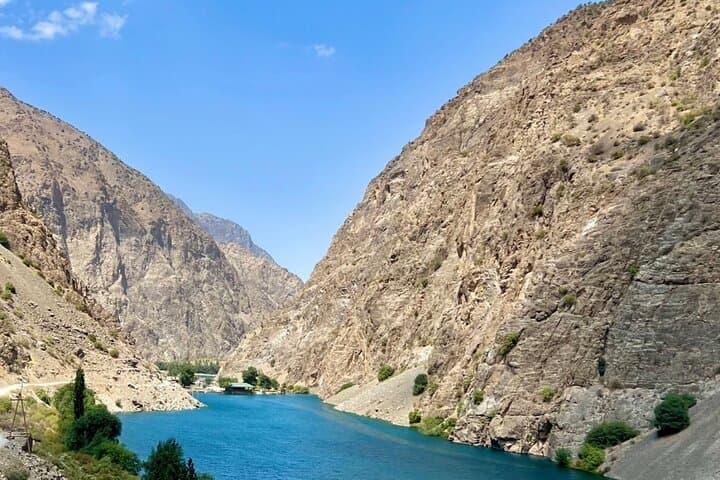
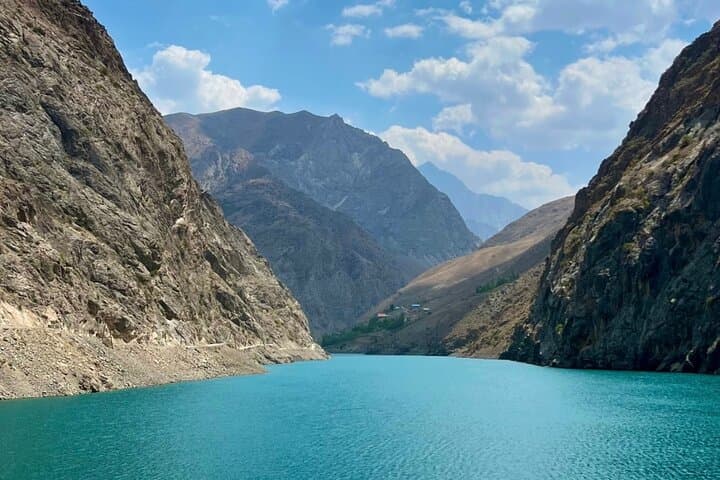
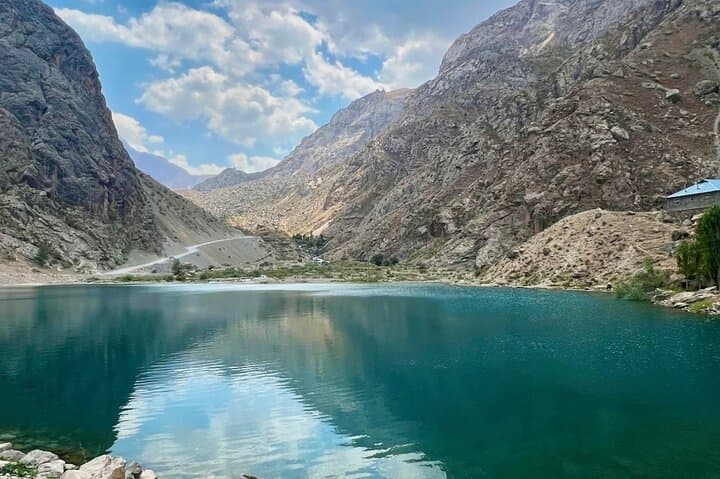
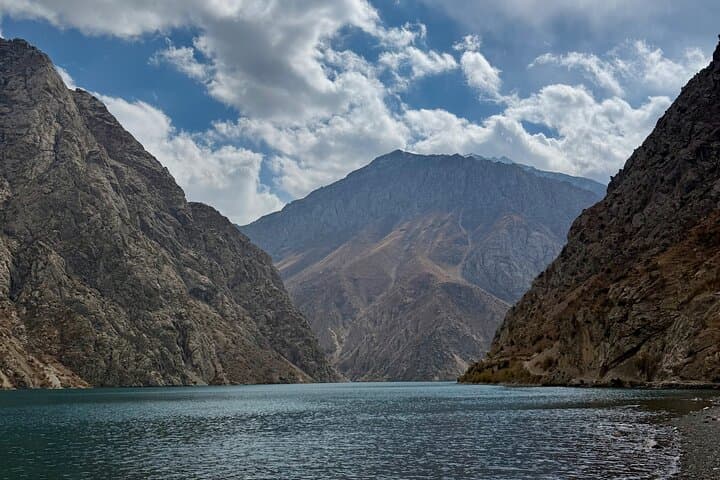
You leave Samarkand before dawn, the city’s tiled domes shrinking behind you as the coach threads toward the Uzbek‑Tajik border. On foot you cross into Sughd region and the road climbs into the Fann Mountains: ridgelines sharpen, air cools, and the first of the Seven Lakes appears like a cut of colored glass. By midday you are moving between basins—deep blue, teal, and green—each lake reflecting different rock and algal mixes, each rimmed by shepherd trails and village plots.
You leave Samarkand before dawn, the city’s tiled domes shrinking behind you as the coach threads toward the Uzbek‑Tajik border. On foot you cross into Sughd region and the road climbs into the Fann Mountains: ridgelines sharpen, air cools, and the first of the Seven Lakes appears like a cut of colored glass. By midday you are moving between basins—deep blue, teal, and green—each lake reflecting different rock and algal mixes, each rimmed by shepherd trails and village plots.
This route stitches together layers of human history and raw mountain geology. Sarazm, a UNESCO site, records sedentary agriculture and trade more than 5,500 years old; Panjakent bears the imprint of Sogdian urban life and Silk Road exchange. The Fann range itself is young, alpine terrain shaped by uplift and glaciation, producing steep valleys, moraines and the mineral-rich lakes that change hue with season and light.
Culturally the day is equally direct: a visit to Panjakent bazaar for walnuts and spices, a guesthouse lunch of qurutob and green tea, and brief walks that bring you through villages where livestock graze on terraced fields.
Practicalities: allow a full day (10–11 hours), carry your passport and any necessary visas, and expect uneven dirt tracks and short rocky scrambles between lakes—most walks are 1–5 km but optional hikes can add 6–10 km with 300–800 m of gain. Bring layered clothing, sturdy footwear, water, and cash for small purchases. Start early for border processing and the best lake light; maintain distance from livestock and follow local guide directions to keep the route fast and respectful.