THE ADVENTURE COLLECTIVE® · Independent discovery and booking for outdoor travel

A full-day high‑altitude trek from Cusco that tours seven glacial lakes on Ausangate’s northeastern slopes—expect vivid turquoise lagoons, puna grasslands, and an optional hot‑spring soak in Pacchanta.
A full-day high‑altitude trek from Cusco that tours seven glacial lakes on Ausangate’s northeastern slopes—expect vivid turquoise lagoons, puna grasslands, and an optional hot‑spring soak in Pacchanta.
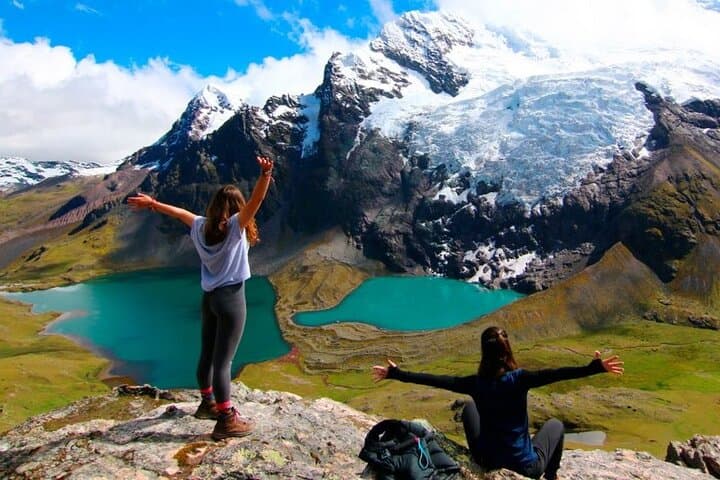
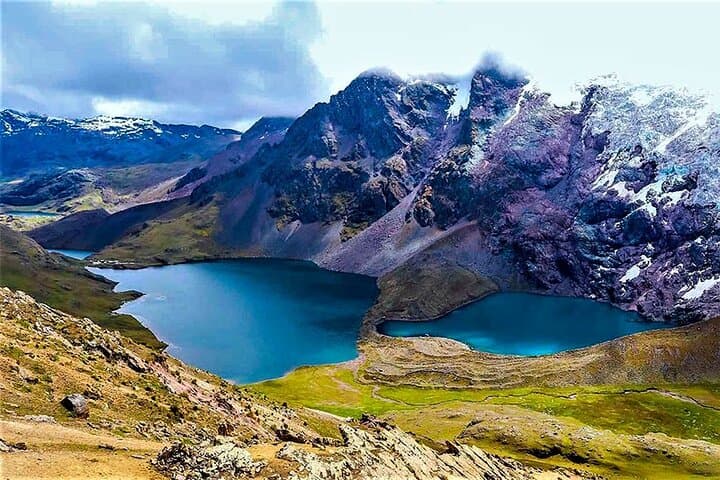
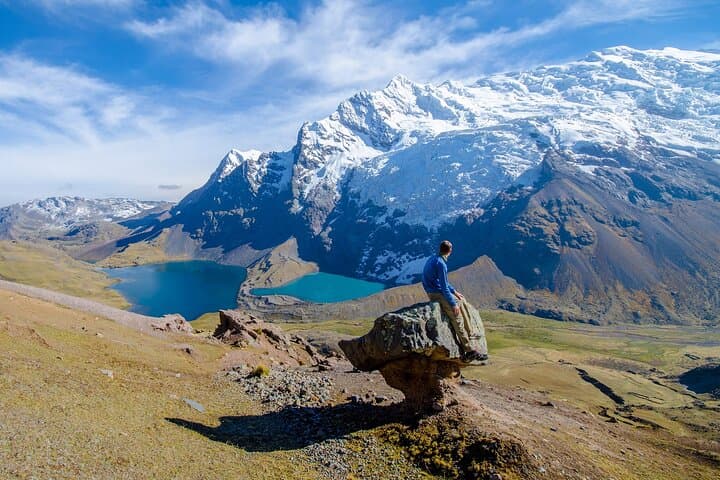
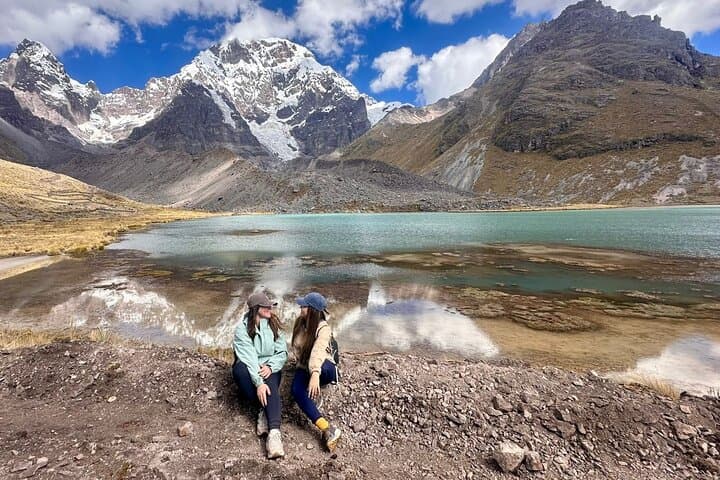
Dawn opens over the high Andean plain as a shuttle pulls out of Cusco, the city lights dimming behind you and the first cold, thin air of Ausangate filling the bus. The landscape tightens into a procession of ridges and snow—gneiss and granite folded by tectonics, glaciers carving bowl-shaped basins that now hold lakes in blues and greens so vivid they look intentional.
Verified experiences and guided adventures in the surrounding area.
Operated by Mapis Explorer · Cusco, Cusco Region
Dawn opens over the high Andean plain as a shuttle pulls out of Cusco, the city lights dimming behind you and the first cold, thin air of Ausangate filling the bus. The landscape tightens into a procession of ridges and snow—gneiss and granite folded by tectonics, glaciers carving bowl-shaped basins that now hold lakes in blues and greens so vivid they look intentional.
This one-day circuit skirts the northeastern flank of Nevado Ausangate, a mountain long held as an Apu—sacred protector—in local Quechua tradition. Geologically the area is part of the Central Andes, where uplift and glaciation created the stepped valleys and high puna where llamas and alpacas graze. Along the walk, hikers pass turquoise Qomercocha and deeper Pucacocha, cross windswept meadows, and may spot vizcachas perched like small rock-dwelling sentries.
Practically, the day is long and high: early pickup from Cusco, a 3-hour drive to Pacchanta, roughly 2–3 hours of ascent to the main viewpoint and a similar return leg, plus meals and an optional soak in hot springs. Expect thin air, stony tundra, and strong sun; pace yourself and heed your guide. Good footwear, layered insulation, sun protection, and at least 2–3 liters of water will make the difference between a taxing slog and an enjoyable high-mountain day. The afternoon return drops you back in Cusco by evening, carrying the clear, sharp light of the Andes with you.
challenging.
12–15 hours.
Requires good cardiovascular fitness and prior high‑altitude exposure; comfortable with several hours of sustained uphill walking.
The walking circuit includes roughly 2–3 hours out to the main viewpoint and about 2 hours return, spread across 4–6 hours on foot within a full‑day schedule.
This tour is accessible to experienced day‑hikers but challenging for unacclimatized beginners due to altitude and sustained uphill sections—acclimatize first.
Basic facilities and a breakfast stop in a local restaurant are included; lunch in Pacchanta is provided and there is an optional 30‑minute hot‑spring soak afterward.
The route moves through elevations around 4,200–4,600 meters (13,800–15,100 ft), so expect thinner air and colder temperatures than in Cusco.
Ausangate is venerated in Quechua cosmology as an Apu (sacred mountain); the surrounding highlands were part of Inca trade and herding networks.
The puna and glacial lakes are fragile—stick to established paths, avoid camping in meadow wetlands, and pack out all waste to limit erosion and pollution.
Mapis Explorer operates guided outdoor trips and adventures with an emphasis on safety, stewardship, and memorable experiences.
Dawn opens over the high Andean plain as a shuttle pulls out of Cusco, the city lights dimming behind you and the first cold, thin air of Ausangate filling the bus. The landscape tightens into a procession of ridges and snow—gneiss and granite folded by tectonics, glaciers carving bowl-shaped basins that now hold lakes in blues and greens so vivid they look intentional.
Dawn opens over the high Andean plain as a shuttle pulls out of Cusco, the city lights dimming behind you and the first cold, thin air of Ausangate filling the bus. The landscape tightens into a procession of ridges and snow—gneiss and granite folded by tectonics, glaciers carving bowl-shaped basins that now hold lakes in blues and greens so vivid they look intentional.
This one-day circuit skirts the northeastern flank of Nevado Ausangate, a mountain long held as an Apu—sacred protector—in local Quechua tradition. Geologically the area is part of the Central Andes, where uplift and glaciation created the stepped valleys and high puna where llamas and alpacas graze. Along the walk, hikers pass turquoise Qomercocha and deeper Pucacocha, cross windswept meadows, and may spot vizcachas perched like small rock-dwelling sentries.
Practically, the day is long and high: early pickup from Cusco, a 3-hour drive to Pacchanta, roughly 2–3 hours of ascent to the main viewpoint and a similar return leg, plus meals and an optional soak in hot springs. Expect thin air, stony tundra, and strong sun; pace yourself and heed your guide. Good footwear, layered insulation, sun protection, and at least 2–3 liters of water will make the difference between a taxing slog and an enjoyable high-mountain day. The afternoon return drops you back in Cusco by evening, carrying the clear, sharp light of the Andes with you.