THE ADVENTURE COLLECTIVE® · Independent discovery and booking for outdoor travel

A seven-day Kilimanjaro trek compresses the mountain’s full range—forest to ice—into a measured, acclimatization-focused climb. This guide explains the route’s geology, cultural context, and practical preparations to summit Uhuru Peak.
A seven-day Kilimanjaro trek compresses the mountain’s full range—forest to ice—into a measured, acclimatization-focused climb. This guide explains the route’s geology, cultural context, and practical preparations to summit Uhuru Peak.
Book with wilderness Alternative Expedition
Book directly with wilderness Alternative Expedition for the best rates and real-time scheduling.
Reserve NowVerified experiences and guided adventures in the surrounding area.
Operated by wilderness Alternative Expedition · Moshi, Kilimanjaro Region
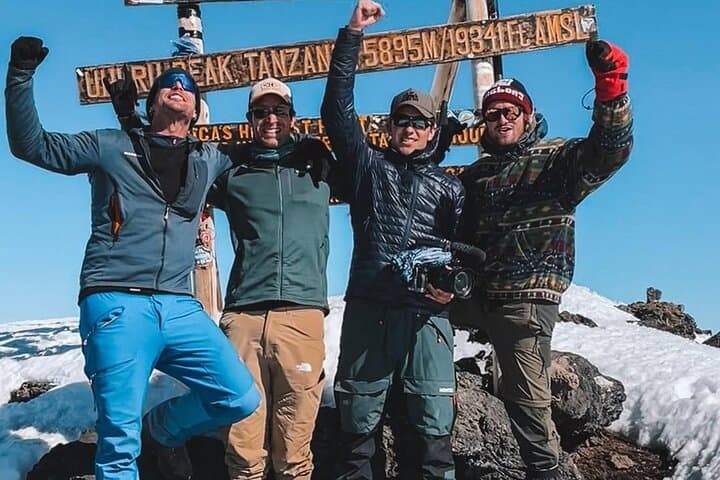
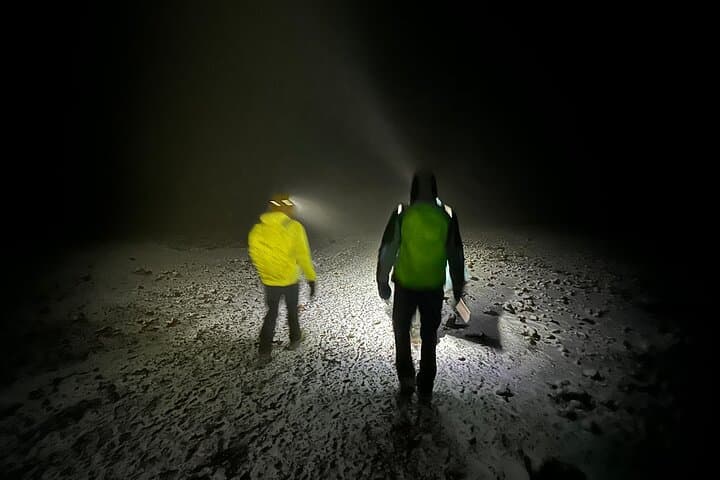
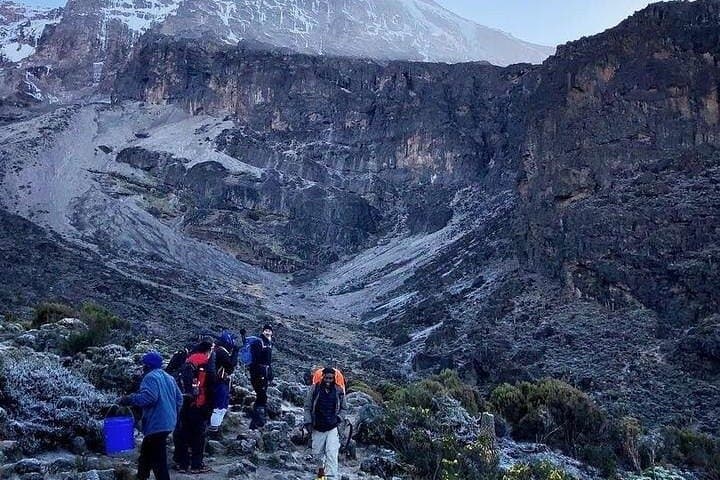
Dawn on Kilimanjaro arrives like an unrolling map: first the lowlands around Moshi glow a soft ochre, then the mountain’s throat—forest, heath, alpine desert—unfurls higher into a rim of ice. On a seven-day itinerary, walkers move through those bands with a small caravan of guides and porters, the rhythm set by slow, deliberate steps and the snick of trekking poles. By the final morning, the yawning Kibo crater and the Uhuru Peak sign are not just destinations but earned perspectives—thin air, sharp light, and a quiet that makes even the clouds feel deliberate.
challenging.
7 days.
Good cardiovascular fitness and experience with multi-day hikes at altitude; prepare with long uphill training hikes and stair sessions.
It’s challenging: non-technical but with sustained elevation gain; the itinerary builds acclimatization into the schedule to improve summit odds.
Not strictly, but prior multi-day trekking and good cardiovascular fitness increase comfort and reduce risk of altitude sickness.
Most operators include guides and porters in the package; confirm tipping policy and any extra costs before booking.
The clearest windows are January–February and September–October; these months tend to have more stable weather and better summit visibility.
Yellow fever may be required depending on origin; park permits and rescue fees are mandatory and typically handled by the operator.
Tipping is customary—budget roughly 10–15% of the trip cost split among guides and porters, adjusted for service and group size.
The area was protected as a game reserve in 1921 and later designated a forest reserve; Kilimanjaro became a UNESCO World Heritage Site reflecting its ecological and cultural significance.
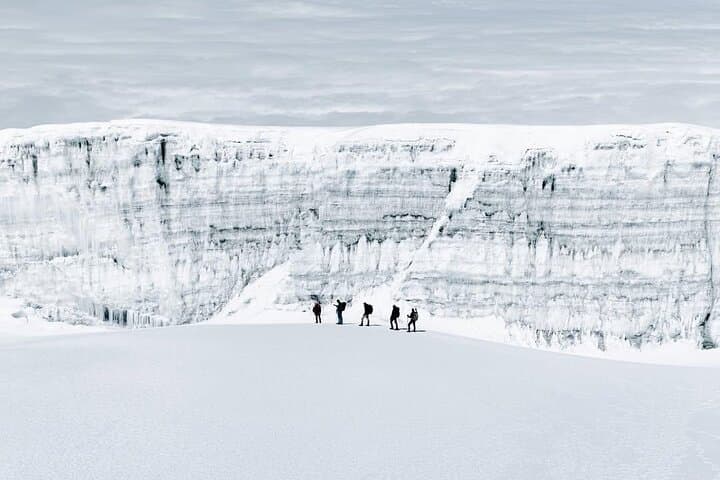
Glacial retreat on Kibo is a visible sign of climate change; responsible operators follow park rules, limit group sizes and support local porter welfare programs.
wilderness Alternative Expedition operates guided outdoor trips and adventures with an emphasis on safety, stewardship, and memorable experiences.
Book with wilderness Alternative Expedition
Book directly with wilderness Alternative Expedition for the best rates and real-time scheduling.
Reserve Now