THE ADVENTURE COLLECTIVE® · Independent discovery and booking for outdoor travel

Spend a week on Nusa Penida restoring reef and mangrove habitats while living and working with local communities. This program blends hands-on conservation, snorkeling with marine life, and cultural exchange for measurable impact.
Spend a week on Nusa Penida restoring reef and mangrove habitats while living and working with local communities. This program blends hands-on conservation, snorkeling with marine life, and cultural exchange for measurable impact.
The morning light on Nusa Penida cuts cleanly through coconut palms as volunteers meet for a briefing on the shore. Salt air and the distant thump of a long-tail boat set the tempo; today you'll plant coral fragments, teach at a village school, and learn how mangrove roots slow the sea’s appetite. The island’s limestone cliffs and reef-strewn bays form a raw backdrop — reef flats that have been mapped, measured and now slowly repaired.
Verified experiences and guided adventures in the surrounding area.
Operated by Ecotourism Nusa Penida · Nusa Penida, Bali
The morning light on Nusa Penida cuts cleanly through coconut palms as volunteers meet for a briefing on the shore. Salt air and the distant thump of a long-tail boat set the tempo; today you'll plant coral fragments, teach at a village school, and learn how mangrove roots slow the sea’s appetite. The island’s limestone cliffs and reef-strewn bays form a raw backdrop — reef flats that have been mapped, measured and now slowly repaired.
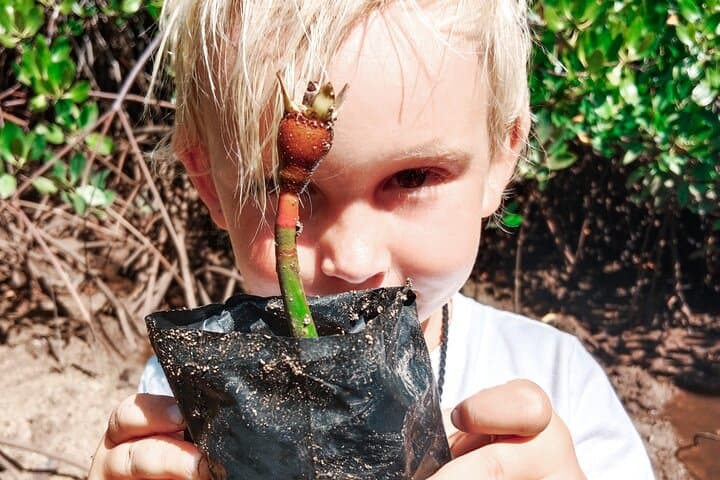
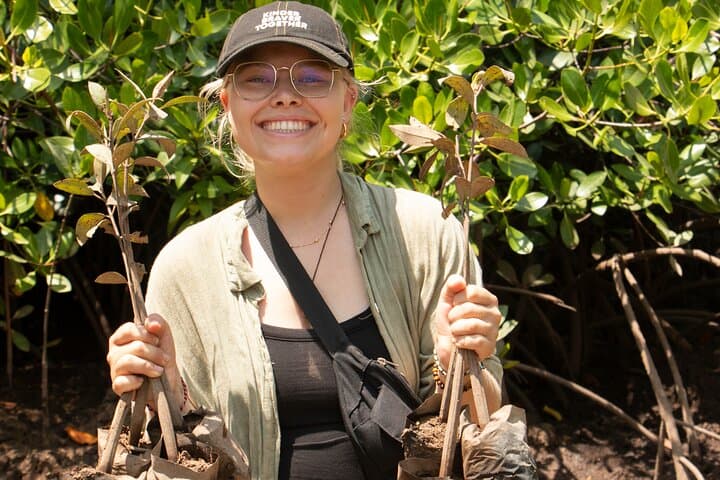
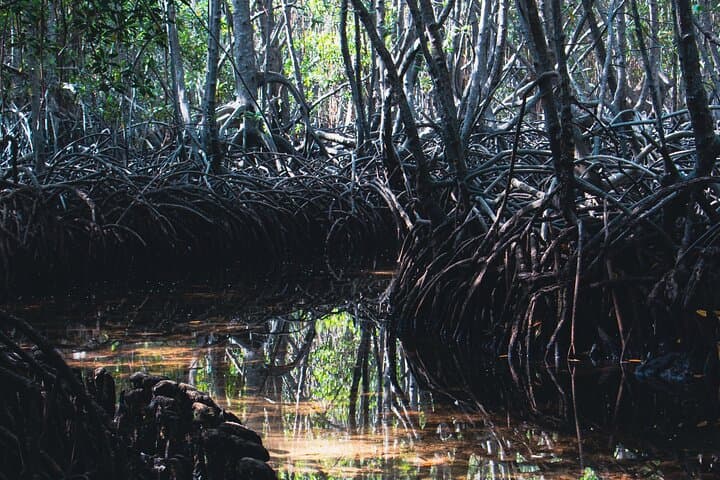
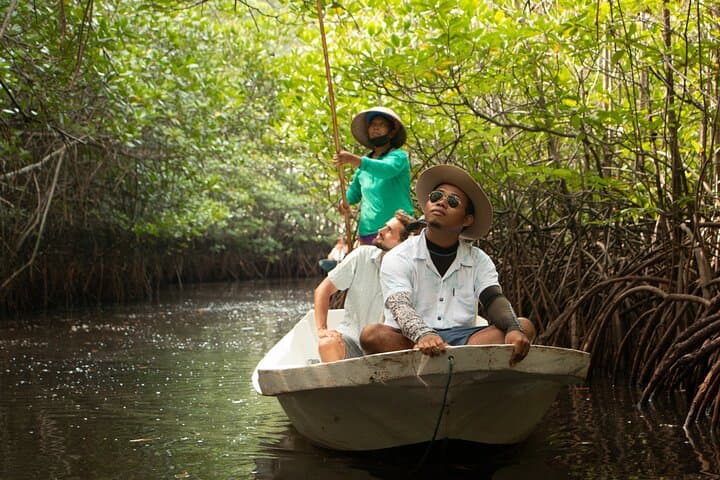
Nusa Penida sits off southeast Bali and has its own cultural rhythm: small fishing hamlets, coastal shrines, and a history of sea-faring livelihoods that shaped local conservation values. Geologically the island is uplifted coral limestone, carved into dramatic headlands and sheltered coves that concentrate marine life. The program combines practical restoration (coral outplanting, mangrove planting, seaweed farming) with community work like school visits and beach cleanups, and snorkel trips that may include manta ray cleaning stations.
Practical guidance: expect active days with light to moderate physical work, snorkeling in open water, and basic tools for planting corals and mangroves. Bring reef-safe sunscreen, a snug mask, and sturdy sandals for rocky intertidal zones. The organizers provide accommodation, transportation on the island, meals, and snorkeling gear, but lightweight personal rain shell and quick-dry clothing will make field days easier. Hydration is critical in the tropics and mornings are often the calmest time for snorkeling. Respect local customs at temples and schools—simple courtesies go a long way toward meaningful exchange and a trip that leaves both memories and a measurable ecological legacy.
No — the program is designed for beginners; experienced conservationists lead hands-on training for coral planting, mangrove work, and seaweed farming.
Basic snorkeling ability and comfort in open water are recommended; guides accompany snorkel groups and provide safety briefings and equipment.
Accommodations are in a private bungalow at the program’s resort; three meals daily and some snacks are included as part of the package.
Participants typically plant around 70 coral fragments and at least 10 mangrove trees over the week as part of collective restoration projects.
Ecotourism Nusa Penida operates guided outdoor trips and adventures with an emphasis on safety, stewardship, and memorable experiences.
The morning light on Nusa Penida cuts cleanly through coconut palms as volunteers meet for a briefing on the shore. Salt air and the distant thump of a long-tail boat set the tempo; today you'll plant coral fragments, teach at a village school, and learn how mangrove roots slow the sea’s appetite. The island’s limestone cliffs and reef-strewn bays form a raw backdrop — reef flats that have been mapped, measured and now slowly repaired.
The morning light on Nusa Penida cuts cleanly through coconut palms as volunteers meet for a briefing on the shore. Salt air and the distant thump of a long-tail boat set the tempo; today you'll plant coral fragments, teach at a village school, and learn how mangrove roots slow the sea’s appetite. The island’s limestone cliffs and reef-strewn bays form a raw backdrop — reef flats that have been mapped, measured and now slowly repaired.
Nusa Penida sits off southeast Bali and has its own cultural rhythm: small fishing hamlets, coastal shrines, and a history of sea-faring livelihoods that shaped local conservation values. Geologically the island is uplifted coral limestone, carved into dramatic headlands and sheltered coves that concentrate marine life. The program combines practical restoration (coral outplanting, mangrove planting, seaweed farming) with community work like school visits and beach cleanups, and snorkel trips that may include manta ray cleaning stations.
Practical guidance: expect active days with light to moderate physical work, snorkeling in open water, and basic tools for planting corals and mangroves. Bring reef-safe sunscreen, a snug mask, and sturdy sandals for rocky intertidal zones. The organizers provide accommodation, transportation on the island, meals, and snorkeling gear, but lightweight personal rain shell and quick-dry clothing will make field days easier. Hydration is critical in the tropics and mornings are often the calmest time for snorkeling. Respect local customs at temples and schools—simple courtesies go a long way toward meaningful exchange and a trip that leaves both memories and a measurable ecological legacy.