THE ADVENTURE COLLECTIVE® · Independent discovery and booking for outdoor travel

Nine days of classic Ugandan wildlife: Murchison’s thunderous Nile, game drives on Queen Elizabeth’s plains and an unforgettable gorilla trek in Bwindi. Expect long drives, varied terrain and close wildlife encounters with experienced local guides.
Nine days of classic Ugandan wildlife: Murchison’s thunderous Nile, game drives on Queen Elizabeth’s plains and an unforgettable gorilla trek in Bwindi. Expect long drives, varied terrain and close wildlife encounters with experienced local guides.
You step out of the vehicle into the heat of the Nile valley and the river seems to take a breath — a roar at Murchison Falls, where the Nile is forced through a seven‑metre cleft and thunders into a spray-filled gorge.
Verified experiences and guided adventures in the surrounding area.
Operated by Bright Safaris Uganda · Kampala, Central Region
You step out of the vehicle into the heat of the Nile valley and the river seems to take a breath — a roar at Murchison Falls, where the Nile is forced through a seven‑metre cleft and thunders into a spray-filled gorge.
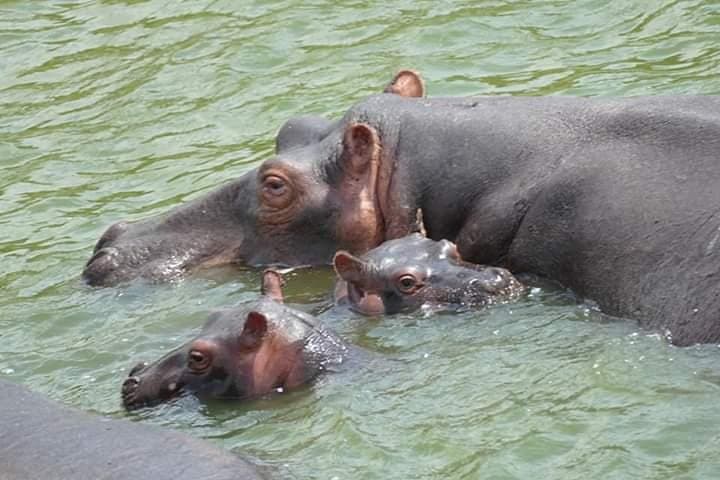
This itinerary threads northern savanna, Rift Valley crater lakes and ancient montane forest across western Uganda. Murchison’s red soils and escarpments give way to the plains of Queen Elizabeth, a place of hippos shoulder-to-shoulder with papyrus-lined channels, and then on to the steep, moss-dark slopes of Bwindi Impenetrable Forest where mountain gorillas live in family groups.
Geology here is dramatic: the western Rift’s folding and volcanic history created crater lakes and the Rwenzori foothills. Culture appears in roadside tea plantations and salt miners at Katwe, where traditional methods are still used. The parks are managed with tourism fees that support conservation and local communities.
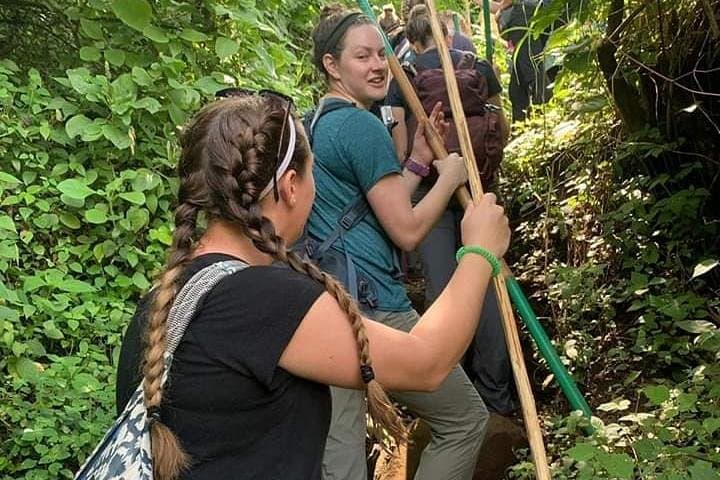
Practicalities matter: expect long drives on rough roads, early starts for game drives and ferry crossings, and a full-day push for gorilla permits and trekking. Trails range from flat savanna tracks to steep, muddy slopes with up to 800–1,200 m elevation changes during transfers; gorilla hikes can last 2–8 hours. Bring sturdy, broken-in boots, rain protection and a daypack with water and snacks. Vaccinations, malaria prevention and travel insurance that covers remote rescue are essential.
Leave room for quiet moments — a boat pulling close to a hippo pod at dusk, or the charged silence when a gorilla family meets the trail. This is travel that asks for patience, steady legs and respect for fragile wild places.
moderate.
7–9 days.
Moderate fitness: able to manage several hours of walking on uneven, sometimes steep and muddy terrain; comfortable with long vehicle transfers.
Many nationalities require a visa obtained online via Uganda’s e-Visa system; check current entry rules before travel.
Permits are usually arranged through your operator; prices vary by nationality and season—confirm inclusion at booking and expect limited availability.
Trekking ranges from relatively easy to strenuous depending on gorilla group location; expect 2–8 hours on steep, muddy trails.
Yes—malaria is present across Uganda. Consult a travel clinic for recommended prophylaxis and mosquito precautions.
The route follows parts of the western Rift and corridors long used by local kingdoms and colonial-era explorers; parks were later established to protect wildlife corridors and habitats.
Gorilla and park fees fund conservation and community projects; stick to guide rules, avoid single-use plastics and keep a safe distance to minimize disease transmission.
Bright Safaris Uganda operates guided outdoor trips and adventures with an emphasis on safety, stewardship, and memorable experiences.
You step out of the vehicle into the heat of the Nile valley and the river seems to take a breath — a roar at Murchison Falls, where the Nile is forced through a seven‑metre cleft and thunders into a spray-filled gorge.
You step out of the vehicle into the heat of the Nile valley and the river seems to take a breath — a roar at Murchison Falls, where the Nile is forced through a seven‑metre cleft and thunders into a spray-filled gorge.
This itinerary threads northern savanna, Rift Valley crater lakes and ancient montane forest across western Uganda. Murchison’s red soils and escarpments give way to the plains of Queen Elizabeth, a place of hippos shoulder-to-shoulder with papyrus-lined channels, and then on to the steep, moss-dark slopes of Bwindi Impenetrable Forest where mountain gorillas live in family groups.
Geology here is dramatic: the western Rift’s folding and volcanic history created crater lakes and the Rwenzori foothills. Culture appears in roadside tea plantations and salt miners at Katwe, where traditional methods are still used. The parks are managed with tourism fees that support conservation and local communities.
Practicalities matter: expect long drives on rough roads, early starts for game drives and ferry crossings, and a full-day push for gorilla permits and trekking. Trails range from flat savanna tracks to steep, muddy slopes with up to 800–1,200 m elevation changes during transfers; gorilla hikes can last 2–8 hours. Bring sturdy, broken-in boots, rain protection and a daypack with water and snacks. Vaccinations, malaria prevention and travel insurance that covers remote rescue are essential.
Leave room for quiet moments — a boat pulling close to a hippo pod at dusk, or the charged silence when a gorilla family meets the trail. This is travel that asks for patience, steady legs and respect for fragile wild places.