THE ADVENTURE COLLECTIVE® · Independent discovery and booking for outdoor travel

Spend seven focused mornings on the Cantabrian coast learning to read tides, pop up reliably, and ride beach-break waves. This two-hours-per-day course includes board and neoprene and pairs practical technique with local surf etiquette.
Spend seven focused mornings on the Cantabrian coast learning to read tides, pop up reliably, and ride beach-break waves. This two-hours-per-day course includes board and neoprene and pairs practical technique with local surf etiquette.
The Atlantic wind pulls at your hood as the Cantabrian surf rolls in—long sets building against a steep, pebbled shoreline while the instructor times the channel and calls the next wave. You warm up on sand, feeling the cold neoprene and a nervous excitement that tightens into focus once you paddle out.
Verified experiences and guided adventures in the surrounding area.
Operated by Escuela Cántabra de Surf · Sopelana, Basque Country
The Atlantic wind pulls at your hood as the Cantabrian surf rolls in—long sets building against a steep, pebbled shoreline while the instructor times the channel and calls the next wave. You warm up on sand, feeling the cold neoprene and a nervous excitement that tightens into focus once you paddle out.
This seven-day course runs two hours a day and is taught by a school with roots in the early 1990s, when organized surf instruction took hold along Spain’s northern coast. The Cantabrian shoreline is geologically young and rugged: folded limestone cliffs give way to sandy embayments where currents shape beach breaks differently with each tide.
Basque surf culture blends local fishing traditions with an independent sporting ethic—students quickly pick up not only pop-ups and trimming but also local lineup etiquette and how to read tide charts. Expect cool water year-round; wetsuits and boards are provided along with civil liability insurance.
Practical guidance: sessions are short but intensive—arrive 30 minutes early to change and check conditions, wear a snug swim base layer under the provided neoprene in colder months, and hydrate: cold-water sessions still demand fluids and carbohydrate-rich snacks afterward. Footwork translates from sand drills to on-wave balance: soft-soled booties are unnecessary here but reef awareness and care with fins matter.
Timing matters—mornings often deliver cleaner offshore winds; mid-tide windows favor learning. Whether you’re a first-time paddler or refining technique, seven focused mornings on the Cantabrian coast will leave you comfortable catching green waves and confident in coastal safety practices.
moderate.
7 days (2 hours/day).
Suitable for most healthy adults; basic paddling strength and cardio endurance help, with progressive skill work each day.
No; the course is designed for beginners and novices, with progression across seven two-hour sessions.
Yes—surfboard, neoprene (wetsuit), and instructor-led coaching are included, plus civil liability insurance.
Cantabrian waters are cool year-round—expect 12–18°C (54–64°F); a full wetsuit is recommended outside high summer.
Shared classes cap at about 15 participants; instructors typically split the group for focused attention during drills and paddling practice.
Organized surf instruction on the Cantabrian coast grew in the early 1990s as the region shifted from traditional fishing to recreational coastal sports, creating a distinct Basque surf community.
Respect dune systems and marked nesting areas; use reef-safe sunscreen and pack out all gear to protect sensitive intertidal zones.
Escuela Cántabra de Surf operates guided outdoor trips and adventures with an emphasis on safety, stewardship, and memorable experiences.
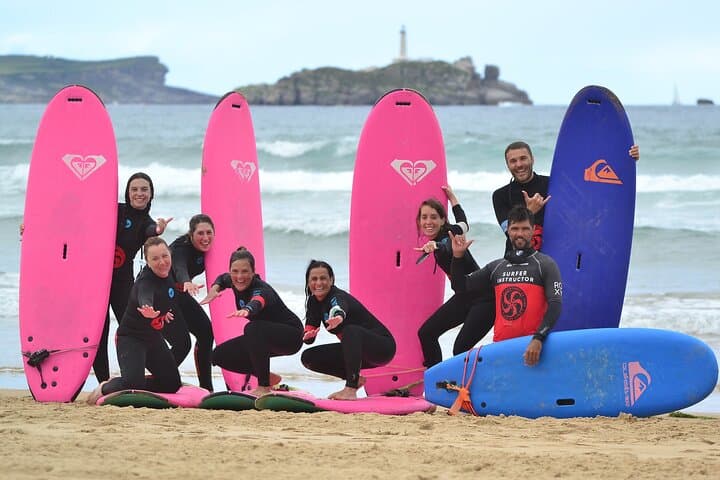
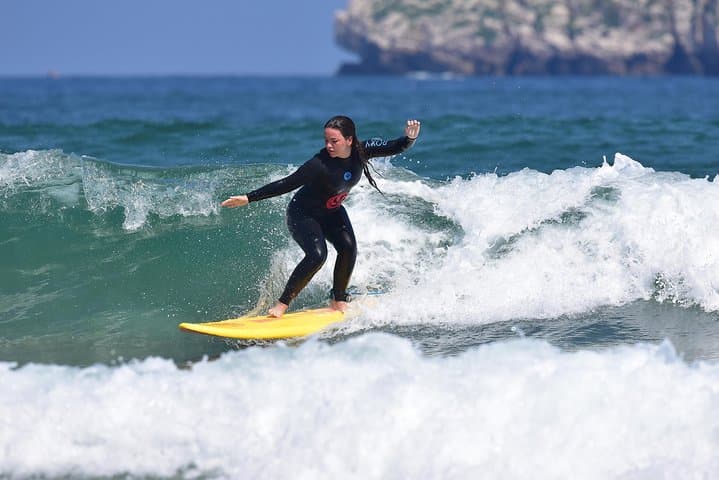
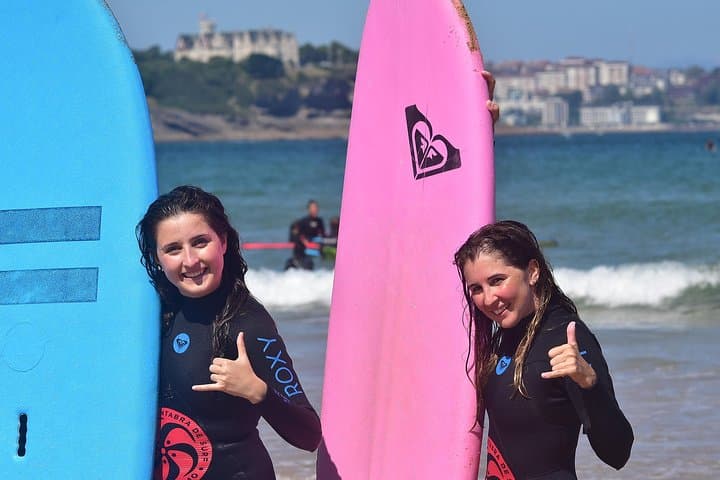
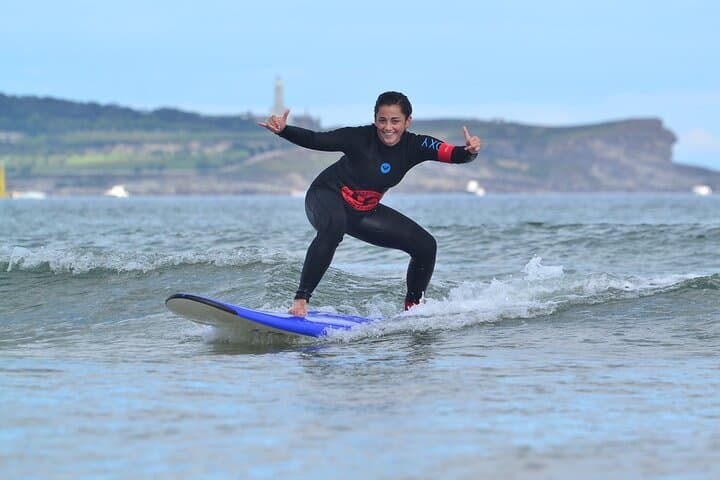
The Atlantic wind pulls at your hood as the Cantabrian surf rolls in—long sets building against a steep, pebbled shoreline while the instructor times the channel and calls the next wave. You warm up on sand, feeling the cold neoprene and a nervous excitement that tightens into focus once you paddle out.
The Atlantic wind pulls at your hood as the Cantabrian surf rolls in—long sets building against a steep, pebbled shoreline while the instructor times the channel and calls the next wave. You warm up on sand, feeling the cold neoprene and a nervous excitement that tightens into focus once you paddle out.
This seven-day course runs two hours a day and is taught by a school with roots in the early 1990s, when organized surf instruction took hold along Spain’s northern coast. The Cantabrian shoreline is geologically young and rugged: folded limestone cliffs give way to sandy embayments where currents shape beach breaks differently with each tide.
Basque surf culture blends local fishing traditions with an independent sporting ethic—students quickly pick up not only pop-ups and trimming but also local lineup etiquette and how to read tide charts. Expect cool water year-round; wetsuits and boards are provided along with civil liability insurance.
Practical guidance: sessions are short but intensive—arrive 30 minutes early to change and check conditions, wear a snug swim base layer under the provided neoprene in colder months, and hydrate: cold-water sessions still demand fluids and carbohydrate-rich snacks afterward. Footwork translates from sand drills to on-wave balance: soft-soled booties are unnecessary here but reef awareness and care with fins matter.
Timing matters—mornings often deliver cleaner offshore winds; mid-tide windows favor learning. Whether you’re a first-time paddler or refining technique, seven focused mornings on the Cantabrian coast will leave you comfortable catching green waves and confident in coastal safety practices.