THE ADVENTURE COLLECTIVE® · Independent discovery and booking for outdoor travel

Travel down the Nile from Luxor to Aswan over six nights, anchoring beside some of Egypt’s most iconic temples including Kom Ombo, Edfu, Philae and Abu Simbel. This full-board cruise pairs relaxed river time with concentrated archaeological visits and shore excursions.
Travel down the Nile from Luxor to Aswan over six nights, anchoring beside some of Egypt’s most iconic temples including Kom Ombo, Edfu, Philae and Abu Simbel. This full-board cruise pairs relaxed river time with concentrated archaeological visits and shore excursions.
Dawn on the Nile throws a hard, gold-edged light across the water as the cruise slips away from Luxor’s pier — palm crowns and temple pylons sliding past like chapters in a history book. On this six-night journey, the river itself becomes the main road: quiet stretches of current broken by the occasional town, a felucca hoisting sail, and temples that rise straight from the bank.
Verified experiences and guided adventures in the surrounding area.
Operated by Tours Around Egypt · Luxor, Luxor Governorate
Dawn on the Nile throws a hard, gold-edged light across the water as the cruise slips away from Luxor’s pier — palm crowns and temple pylons sliding past like chapters in a history book. On this six-night journey, the river itself becomes the main road: quiet stretches of current broken by the occasional town, a felucca hoisting sail, and temples that rise straight from the bank.
The route follows Egypt’s ancient spine. Luxor (ancient Thebes) opens with Karnak and Luxor Temple on the east bank and the Valley of the Kings across the Nile. Downriver, Kom Ombo’s twin shrines speak to Ptolemaic-era religious politics, while Edfu’s Ptolemaic Temple honors Horus with one of the best-preserved relief programs in Egypt. Philae’s Isis temple was moved to higher ground after the High Dam project; Abu Simbel — carved under Ramesses II and famously relocated in the 1960s — caps the itinerary with monumental façades facing Lake Nasser.
Geologically the cruise threads the narrow alluvial strip between desert escarpments, where millennia of Nile silt built fertile banks. Culturally, expect a layered landscape of Arab and Nubian influences: colourful markets, date palms, and village life visible from the ship.
Practically: cabins are full-board (drinks excluded), check-in is typically late morning, and shore excursions involve steps and uneven temple approaches. Travel light for shore days, bring strong sun protection, and plan temple visits early to avoid heat and crowds. The river’s pace offers slow mornings for reading and brisk afternoons of discovery — a rhythm that suits both first-time visitors and repeat explorers seeking context as much as spectacle.
easy.
6–7 days.
Light to moderate: able to handle walking on uneven surfaces, short climbs, and full sightseeing days.
Yes — the cruise itinerary includes a visit to Abu Simbel, typically as an early-morning excursion from the Aswan area; expect a long day but a highly memorable site.
Accommodation is full-board (meals included) but drinks are generally excluded; check the operator’s policy on specialty meals and dietary needs.
The operator commonly provides hotel or airport pickup in Luxor; check your booking for pickup details and arrival times (check-in around late morning is typical).
Most travelers to Egypt require an entry visa; health requirements vary—check official sources for current visa rules and recommended vaccinations before travel.
The cruise links sites from Pharaonic, Ptolemaic and Roman periods; Abu Simbel and Philae were relocated during mid-20th-century dam projects to protect them from flooding.
High tourist traffic and river activities put pressure on fragile monuments; follow guide instructions, avoid touching reliefs, and support local conservation-friendly vendors.
Tours Around Egypt operates guided outdoor trips and adventures with an emphasis on safety, stewardship, and memorable experiences.
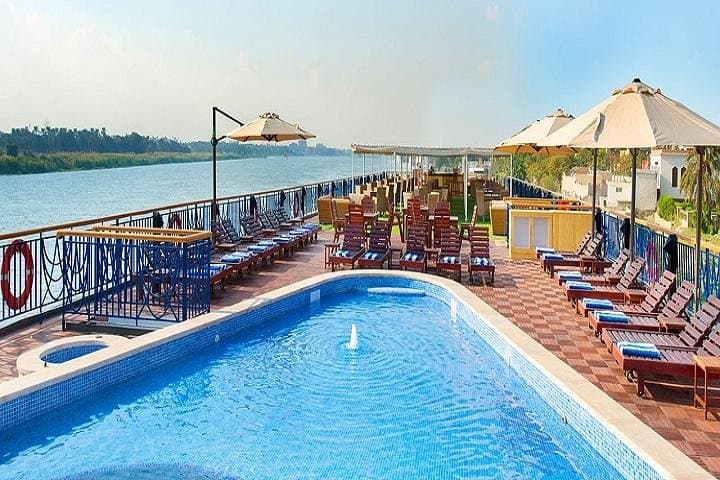
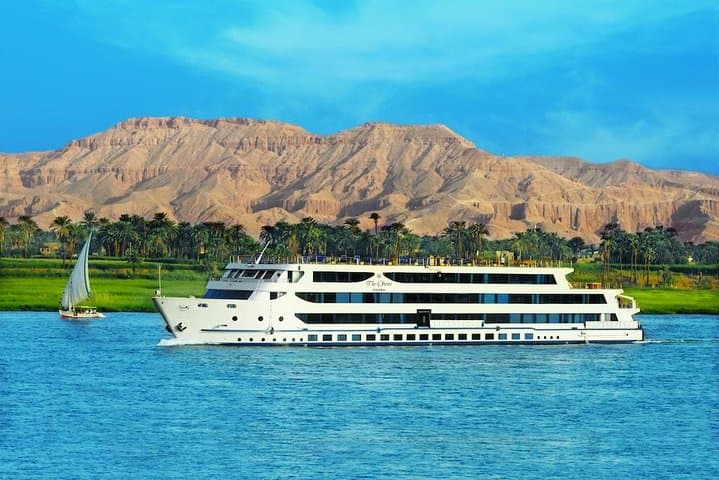
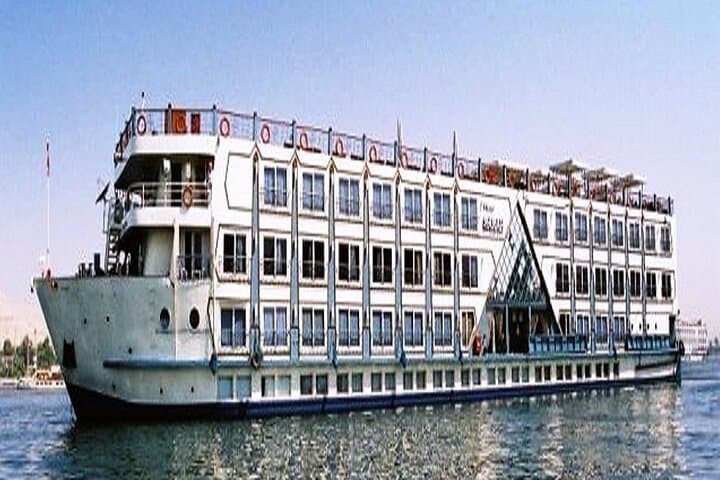
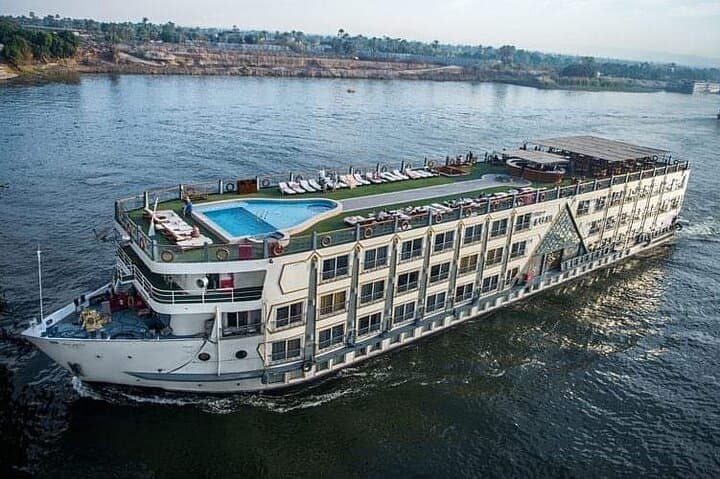
Dawn on the Nile throws a hard, gold-edged light across the water as the cruise slips away from Luxor’s pier — palm crowns and temple pylons sliding past like chapters in a history book. On this six-night journey, the river itself becomes the main road: quiet stretches of current broken by the occasional town, a felucca hoisting sail, and temples that rise straight from the bank.
Dawn on the Nile throws a hard, gold-edged light across the water as the cruise slips away from Luxor’s pier — palm crowns and temple pylons sliding past like chapters in a history book. On this six-night journey, the river itself becomes the main road: quiet stretches of current broken by the occasional town, a felucca hoisting sail, and temples that rise straight from the bank.
The route follows Egypt’s ancient spine. Luxor (ancient Thebes) opens with Karnak and Luxor Temple on the east bank and the Valley of the Kings across the Nile. Downriver, Kom Ombo’s twin shrines speak to Ptolemaic-era religious politics, while Edfu’s Ptolemaic Temple honors Horus with one of the best-preserved relief programs in Egypt. Philae’s Isis temple was moved to higher ground after the High Dam project; Abu Simbel — carved under Ramesses II and famously relocated in the 1960s — caps the itinerary with monumental façades facing Lake Nasser.
Geologically the cruise threads the narrow alluvial strip between desert escarpments, where millennia of Nile silt built fertile banks. Culturally, expect a layered landscape of Arab and Nubian influences: colourful markets, date palms, and village life visible from the ship.
Practically: cabins are full-board (drinks excluded), check-in is typically late morning, and shore excursions involve steps and uneven temple approaches. Travel light for shore days, bring strong sun protection, and plan temple visits early to avoid heat and crowds. The river’s pace offers slow mornings for reading and brisk afternoons of discovery — a rhythm that suits both first-time visitors and repeat explorers seeking context as much as spectacle.