THE ADVENTURE COLLECTIVE® · Independent discovery and booking for outdoor travel

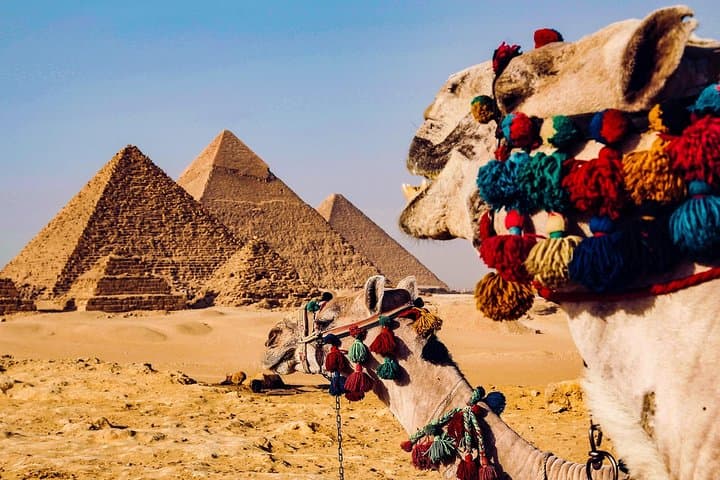
A compact seven-day circuit that pairs Cairo’s ancient and modern highlights with a three-night Nile cruise from Aswan to Luxor. Expect sunrise temple runs, a camel ride at Giza and intimate views of Nile-side villages.
A compact seven-day circuit that pairs Cairo’s ancient and modern highlights with a three-night Nile cruise from Aswan to Luxor. Expect sunrise temple runs, a camel ride at Giza and intimate views of Nile-side villages.
You step from the airport into Cairo's warm air and the city's noise folds itself around you like a lived-in cloak. Within 48 hours the landscape changes — the Nile takes the lead, its slow current nudging a wooden cruise boat past palm-fringed banks while sandstone temples ride the horizon like weathered stage props.
Verified experiences and guided adventures in the surrounding area.
Operated by Best Of Egypt Tours · Cairo, Cairo Governorate
You step from the airport into Cairo's warm air and the city's noise folds itself around you like a lived-in cloak. Within 48 hours the landscape changes — the Nile takes the lead, its slow current nudging a wooden cruise boat past palm-fringed banks while sandstone temples ride the horizon like weathered stage props.
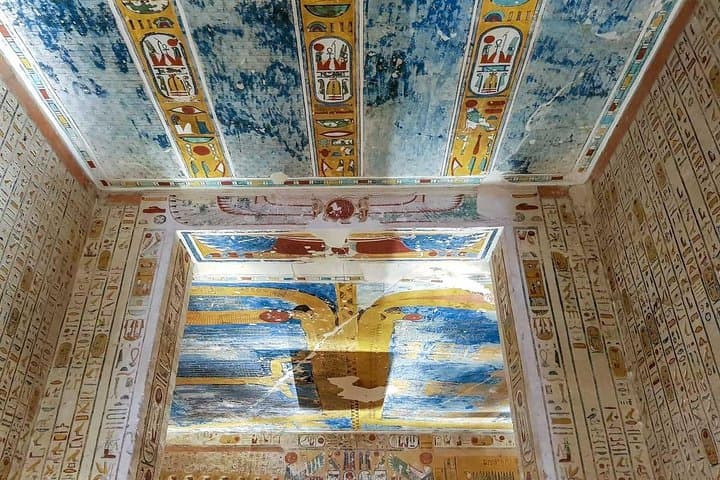
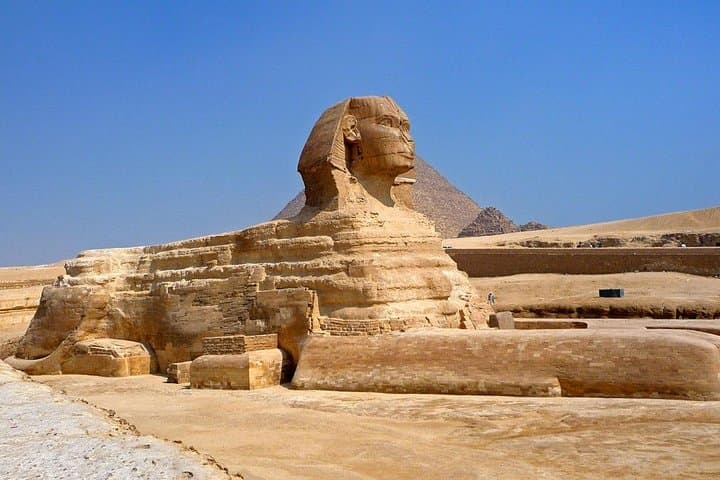
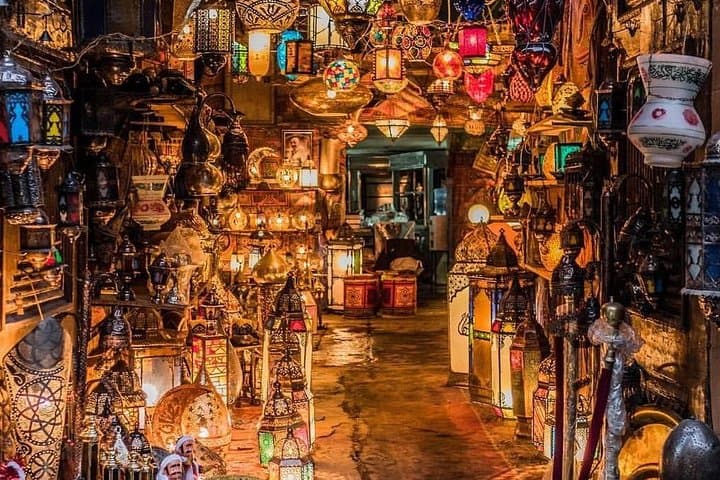
This seven-day circuit threads modern Cairo with pharaonic classics: the Giza Plateau and Sphinx, the vast collections of the Egyptian Museum, the bazaars of Khan el-Khalili. Fly south to Aswan to cross to Philae Island and stand before the relocated temple of Isis; continue by overnight Nile cruise to Kom Ombo, Edfu and Luxor where Karnak and the Valley of the Kings recount millennia of statecraft and ritual. Abu Simbel, carved into a cliff and relocated in the 1960s to save it from Lake Nasser, is a technical and emotional highlight.
Geology here is obvious — limestone and sandstone eroded into monuments and cliffs; the Nile’s floodplain remains the life-giving seam through Egypt’s desert. Culturally, expect layered histories: Coptic and Islamic Cairo sit a short drive from pharaonic ruins.
Practical guidance: pack light but durable footwear for uneven temple steps and sand, sun protection and a refillable bottle for long transfers. Domestic flights and private transfers are included; plan early starts (Abu Simbel departs before dawn). Bring local currency for market bargaining and modest tipping. Respect signage at sites — reliefs and painted surfaces are fragile. Timing your visit in cooler months improves daytime comfort and sightseeing windows.
moderate.
7 days.
Good baseline fitness; able to walk several hours across uneven surfaces and climb stairs at archaeological sites.
Yes — Cairo to Aswan and Luxor to Cairo domestic flights are included in the itinerary.
The operator lists wheelchair-accessible options and transport, but some archaeological sites have uneven ground and stairs; check specific site access in advance.
Many nationals require a visa to enter Egypt; check current requirements and arrange an e-visa or visa on arrival as applicable before travel.
Tipping is customary for guides, drivers and cruise staff; budget modest daily amounts and carry small notes in local currency.
The Nile valley sustained Egypt’s pharaonic state for millennia; temples and tombs here were built from the country’s limestone and sandstone resources and oriented to river and solar cycles.
High visitor numbers stress fragile surfaces and pigments; follow site rules, avoid touching reliefs and support local conservation-minded guides and vendors.
Best Of Egypt Tours operates guided outdoor trips and adventures with an emphasis on safety, stewardship, and memorable experiences.
You step from the airport into Cairo's warm air and the city's noise folds itself around you like a lived-in cloak. Within 48 hours the landscape changes — the Nile takes the lead, its slow current nudging a wooden cruise boat past palm-fringed banks while sandstone temples ride the horizon like weathered stage props.
You step from the airport into Cairo's warm air and the city's noise folds itself around you like a lived-in cloak. Within 48 hours the landscape changes — the Nile takes the lead, its slow current nudging a wooden cruise boat past palm-fringed banks while sandstone temples ride the horizon like weathered stage props.
This seven-day circuit threads modern Cairo with pharaonic classics: the Giza Plateau and Sphinx, the vast collections of the Egyptian Museum, the bazaars of Khan el-Khalili. Fly south to Aswan to cross to Philae Island and stand before the relocated temple of Isis; continue by overnight Nile cruise to Kom Ombo, Edfu and Luxor where Karnak and the Valley of the Kings recount millennia of statecraft and ritual. Abu Simbel, carved into a cliff and relocated in the 1960s to save it from Lake Nasser, is a technical and emotional highlight.
Geology here is obvious — limestone and sandstone eroded into monuments and cliffs; the Nile’s floodplain remains the life-giving seam through Egypt’s desert. Culturally, expect layered histories: Coptic and Islamic Cairo sit a short drive from pharaonic ruins.
Practical guidance: pack light but durable footwear for uneven temple steps and sand, sun protection and a refillable bottle for long transfers. Domestic flights and private transfers are included; plan early starts (Abu Simbel departs before dawn). Bring local currency for market bargaining and modest tipping. Respect signage at sites — reliefs and painted surfaces are fragile. Timing your visit in cooler months improves daytime comfort and sightseeing windows.