THE ADVENTURE COLLECTIVE® · Independent discovery and booking for outdoor travel

A compact, seven-day loop through Ecuador’s most dramatic ecosystems: Quito to the Amazon, Baños’ waterfalls, the Devil’s Nose rail, Quilotoa’s crater, and Cotopaxi’s páramo. Expect jungle canoes, high-altitude treks, and community encounters.
A compact, seven-day loop through Ecuador’s most dramatic ecosystems: Quito to the Amazon, Baños’ waterfalls, the Devil’s Nose rail, Quilotoa’s crater, and Cotopaxi’s páramo. Expect jungle canoes, high-altitude treks, and community encounters.
Morning light breaks over Quito and the Andes, and the bus hums away from the city toward a landscape that changes from volcanic highlands to humid jungle in a few hours. Travelers move from alpine winds to the green hush of the Napo basin: steaming hot springs, a guayusa welcome at an eco-lodge, and a dark river that dares you to look closer.
Verified experiences and guided adventures in the surrounding area.
Operated by Suchipakari Amazon Lodge & Spa · Quito, Pichincha
Morning light breaks over Quito and the Andes, and the bus hums away from the city toward a landscape that changes from volcanic highlands to humid jungle in a few hours. Travelers move from alpine winds to the green hush of the Napo basin: steaming hot springs, a guayusa welcome at an eco-lodge, and a dark river that dares you to look closer.
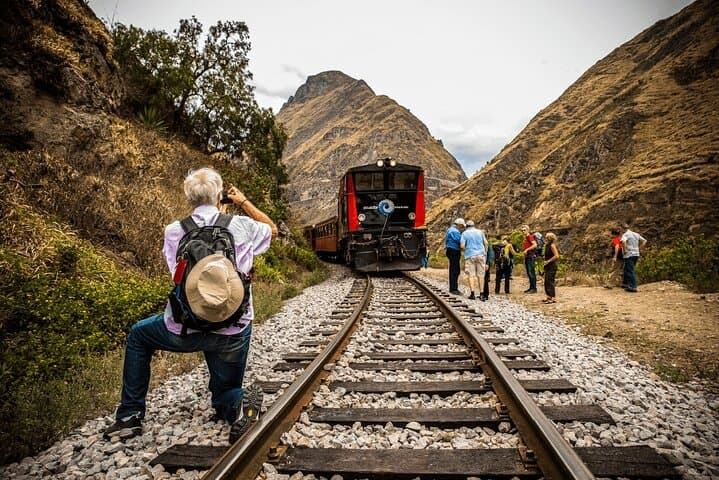
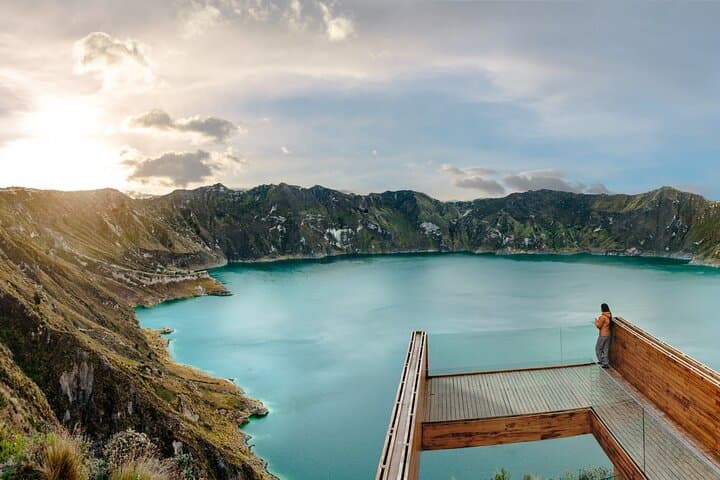
This route threads Ecuador’s geological story — an active volcanic spine known as the Avenue of Volcanoes, collapsing calderas like Quilotoa, and lowland rivers carved by millennia of rain. Indigenous Kichwa communities maintain traditional practices here; in the highlands, colonial-era churches like Balbanera mark early Spanish presence. The Devil’s Nose railway is an engineering answer to impossible slopes, its zigzags a relic of connection between coast and highlands.
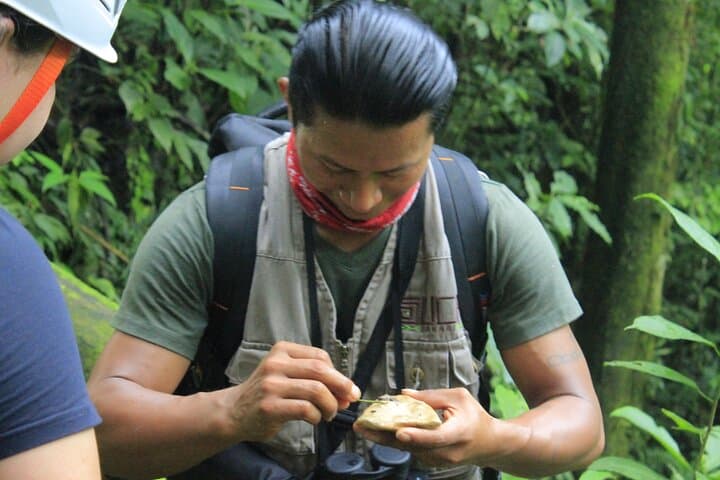
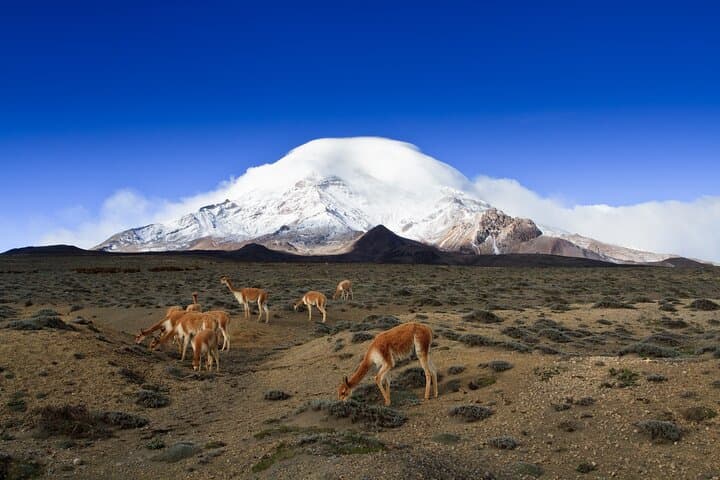
Expect guided canoe rides on the Napo and Pusuno, night walks for nocturnal wildlife, day hikes to waterfalls, and optional high-altitude treks up to ~5,100 m at Chimborazo/Condor Cocha. Cultural stops include pottery in Ahuano and blowgun demonstrations at indigenous homesteads. Accommodation alternates between boutique Andean inns and comfortable jungle eco-lodges.
Practical guidance: pack for wide temperature swings and rain, allow 48–72 hours for altitude acclimatization before high passes, and keep copies of your passport for park registrations. Shoes should handle muddy jungle trails and volcanic scree alike. Travel days include long drives; plan for hydrated, layered travel and sunscreen at high elevations. With these preparations, the trip balances immersive culture, big-water wildlife, and iconic Andean geology.
challenging.
7 days.
Good cardiovascular fitness recommended; able to hike 1–3 hours at altitude and tolerate multi-hour vehicle transfers
Yes — several days reach 4,500–5,100 m; allow time to acclimatize, stay hydrated, avoid heavy exertion initially, and consult a physician about medication if you have history of altitude issues.
No — the Devil’s Nose (Nariz del Diablo) operational schedule is limited (typically Fridays–Sundays); confirm dates when booking to ensure inclusion.
Routine vaccines should be current; yellow fever vaccination is often recommended for Amazon travel, and malaria precautions may apply depending on specific lodges — check with a travel clinic.
This itinerary notes many meals and private transport are included, but some lunches and dinners are listed as not included; verify the booking details for exact inclusions.
The Devil’s Nose railway was engineered in the early 20th century to overcome steep Andean slopes and link inland markets to the coast; local indigenous communities retain ancestral crafts and agricultural practices along the route.
Many lodges operate as community-based eco-enterprises; visitors should minimize single-use plastics, follow guide instructions to reduce disturbance, and support licensed rescue centers and indigenous tourism initiatives.
Suchipakari Amazon Lodge & Spa operates guided outdoor trips and adventures with an emphasis on safety, stewardship, and memorable experiences.
Morning light breaks over Quito and the Andes, and the bus hums away from the city toward a landscape that changes from volcanic highlands to humid jungle in a few hours. Travelers move from alpine winds to the green hush of the Napo basin: steaming hot springs, a guayusa welcome at an eco-lodge, and a dark river that dares you to look closer.
Morning light breaks over Quito and the Andes, and the bus hums away from the city toward a landscape that changes from volcanic highlands to humid jungle in a few hours. Travelers move from alpine winds to the green hush of the Napo basin: steaming hot springs, a guayusa welcome at an eco-lodge, and a dark river that dares you to look closer.
This route threads Ecuador’s geological story — an active volcanic spine known as the Avenue of Volcanoes, collapsing calderas like Quilotoa, and lowland rivers carved by millennia of rain. Indigenous Kichwa communities maintain traditional practices here; in the highlands, colonial-era churches like Balbanera mark early Spanish presence. The Devil’s Nose railway is an engineering answer to impossible slopes, its zigzags a relic of connection between coast and highlands.
Expect guided canoe rides on the Napo and Pusuno, night walks for nocturnal wildlife, day hikes to waterfalls, and optional high-altitude treks up to ~5,100 m at Chimborazo/Condor Cocha. Cultural stops include pottery in Ahuano and blowgun demonstrations at indigenous homesteads. Accommodation alternates between boutique Andean inns and comfortable jungle eco-lodges.
Practical guidance: pack for wide temperature swings and rain, allow 48–72 hours for altitude acclimatization before high passes, and keep copies of your passport for park registrations. Shoes should handle muddy jungle trails and volcanic scree alike. Travel days include long drives; plan for hydrated, layered travel and sunscreen at high elevations. With these preparations, the trip balances immersive culture, big-water wildlife, and iconic Andean geology.