THE ADVENTURE COLLECTIVE® · Independent discovery and booking for outdoor travel

A seven‑day hop‑on, hop‑off journey from Quito to Guayaquil that packs Cotopaxi’s ice cone, Quilotoa’s turquoise caldera, jungle walks from Baños, Chimborazo vistas, and colonial Cuenca into one practical itinerary. Expect short hikes, high‑altitude weather swings, and rich cultural stops.
A seven‑day hop‑on, hop‑off journey from Quito to Guayaquil that packs Cotopaxi’s ice cone, Quilotoa’s turquoise caldera, jungle walks from Baños, Chimborazo vistas, and colonial Cuenca into one practical itinerary. Expect short hikes, high‑altitude weather swings, and rich cultural stops.
The morning air in Quito bites with altitude and possibility as an air‑conditioned van peels away from the city at dawn, Andes peaks pushing sunlight across volcanic ridgelines. By midmorning the landscape has changed: Cotopaxi’s cone looms with snow and steam, its glaciers daring you to look higher; Quilotoa’s crater lake flashes turquoise like a forced wink; later, the Pastaza River will rush and laugh through the jungle near Baños.
Verified experiences and guided adventures in the surrounding area.
Operated by Wanderbus Ecuador · Quito, Pichincha
The morning air in Quito bites with altitude and possibility as an air‑conditioned van peels away from the city at dawn, Andes peaks pushing sunlight across volcanic ridgelines. By midmorning the landscape has changed: Cotopaxi’s cone looms with snow and steam, its glaciers daring you to look higher; Quilotoa’s crater lake flashes turquoise like a forced wink; later, the Pastaza River will rush and laugh through the jungle near Baños.
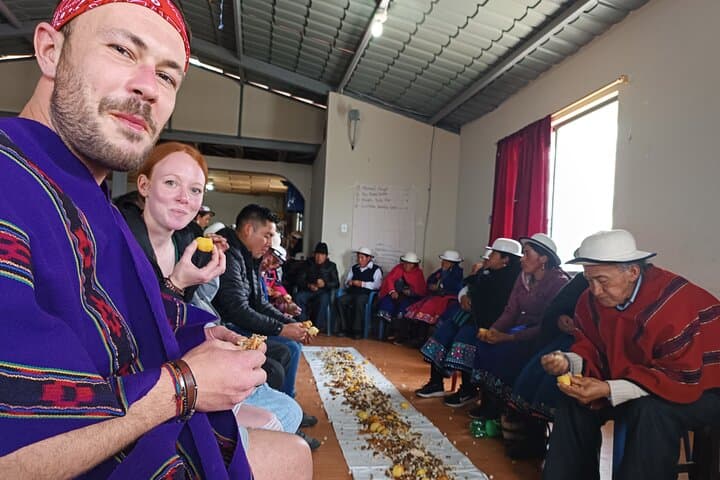
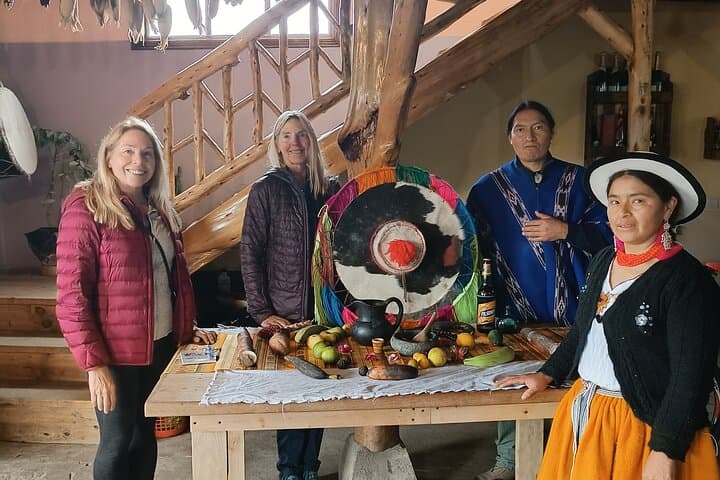
This seven‑day hop‑on, hop‑off route threads key Andean landscapes and cloud‑forest edges. Geologically the trip traces young volcanic arcs—Cotopaxi (5,897 m) and Chimborazo (6,263 m) are active chapters in the Pacific Ring of Fire—while Quilotoa’s 3 km wide caldera records violent eruptions roughly 800–900 years ago. Culturally, expect highland markets, Quechua communities, and colonial waypoints in Alausí and Cuenca where textile and pre‑Inca sites like Ingapirca speak to centuries of exchange.
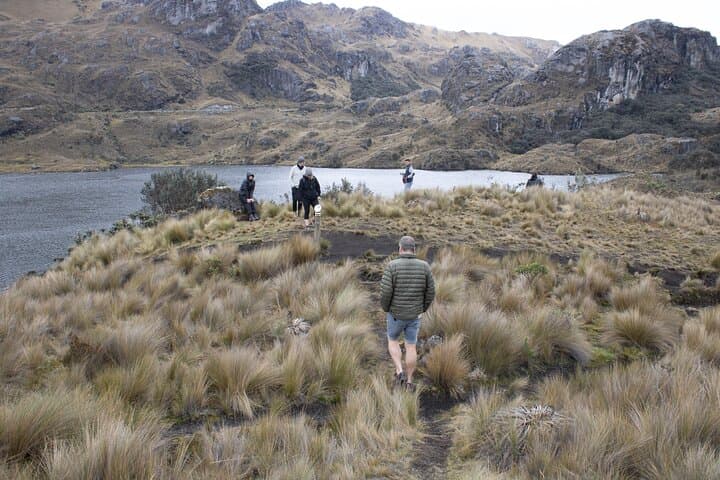
You’ll hike short trails—Limpiopungo and Quilotoa rim walks are typically 1–3 hours with uneven volcanic scree—plus options for longer ascents near Chimborazo refuge. In the east, guided walks take you into rainforest pockets and wildlife rescues where amphibians and macaws are common sightings.
Practical edge: allow two full days to acclimatize, carry layered clothing for 1,800–6,000 m variability, and bring sun protection—UV is intense at high altitude. Footwear should have good traction for pumice, mud, and wet jungle trails. Plan for cash at rural markets and flexible timing; weather can close mountain roads without warning. With basic fitness and respect for altitude, this itinerary delivers a compact, varied Ecuadorian landscape sampler that balances culture, geology, and hands‑on nature encounters.
moderate.
7 days.
Moderate—able to handle daily walking, some steep trails at altitude, and vehicle transfers; allow time to acclimatize.
Yes—altitude is a factor. Take 24–48 hours to acclimatize in Quito, hydrate, avoid heavy exertion the first day, and consult your physician about medication if prone to sickness.
Meals are not comprehensively included—some lunches and admissions are listed as not included, so budget for local restaurants and farm lunches during rural stops.
Most hikes are short to moderate (1–4 hours) over uneven ground; no technical climbing required but good balance and steady footing are important.
Parts of the itinerary are stroller and wheelchair accessible at pickup points, but many sites have uneven terrain and steps—check specifics with the operator for accessibility at each stop.
The route crosses pre‑Columbian and colonial corridors: Ingapirca preserves Inca stonework, and La Balbanera in Alausí is among Ecuador’s oldest colonial churches, surviving 18th‑century quakes.
Many stops are within protected areas—stick to trails, avoid feeding wildlife, and support community enterprises to keep tourism benefits local and minimize ecological impact.
Wanderbus Ecuador operates guided outdoor trips and adventures with an emphasis on safety, stewardship, and memorable experiences.
The morning air in Quito bites with altitude and possibility as an air‑conditioned van peels away from the city at dawn, Andes peaks pushing sunlight across volcanic ridgelines. By midmorning the landscape has changed: Cotopaxi’s cone looms with snow and steam, its glaciers daring you to look higher; Quilotoa’s crater lake flashes turquoise like a forced wink; later, the Pastaza River will rush and laugh through the jungle near Baños.
The morning air in Quito bites with altitude and possibility as an air‑conditioned van peels away from the city at dawn, Andes peaks pushing sunlight across volcanic ridgelines. By midmorning the landscape has changed: Cotopaxi’s cone looms with snow and steam, its glaciers daring you to look higher; Quilotoa’s crater lake flashes turquoise like a forced wink; later, the Pastaza River will rush and laugh through the jungle near Baños.
This seven‑day hop‑on, hop‑off route threads key Andean landscapes and cloud‑forest edges. Geologically the trip traces young volcanic arcs—Cotopaxi (5,897 m) and Chimborazo (6,263 m) are active chapters in the Pacific Ring of Fire—while Quilotoa’s 3 km wide caldera records violent eruptions roughly 800–900 years ago. Culturally, expect highland markets, Quechua communities, and colonial waypoints in Alausí and Cuenca where textile and pre‑Inca sites like Ingapirca speak to centuries of exchange.
You’ll hike short trails—Limpiopungo and Quilotoa rim walks are typically 1–3 hours with uneven volcanic scree—plus options for longer ascents near Chimborazo refuge. In the east, guided walks take you into rainforest pockets and wildlife rescues where amphibians and macaws are common sightings.
Practical edge: allow two full days to acclimatize, carry layered clothing for 1,800–6,000 m variability, and bring sun protection—UV is intense at high altitude. Footwear should have good traction for pumice, mud, and wet jungle trails. Plan for cash at rural markets and flexible timing; weather can close mountain roads without warning. With basic fitness and respect for altitude, this itinerary delivers a compact, varied Ecuadorian landscape sampler that balances culture, geology, and hands‑on nature encounters.