THE ADVENTURE COLLECTIVE® · Independent discovery and booking for outdoor travel

Travel from Phnom Penh’s royal avenues to the sunrise towers of Angkor on this paced seven-day tour. Expect temple exploration, a Tonle Sap boat trip, Phnom Kulen’s waterfalls, and immersive cultural stops.
Travel from Phnom Penh’s royal avenues to the sunrise towers of Angkor on this paced seven-day tour. Expect temple exploration, a Tonle Sap boat trip, Phnom Kulen’s waterfalls, and immersive cultural stops.
Dawn in Angkor arrives slow and deliberate: towers shift from charcoal to gold while tuk-tuks still hum past sleepy guesthouses in Siem Reap.
Verified experiences and guided adventures in the surrounding area.
Operated by About Cambodia Travel & Tours · Siem Reap, Siem Reap Province
Dawn in Angkor arrives slow and deliberate: towers shift from charcoal to gold while tuk-tuks still hum past sleepy guesthouses in Siem Reap.
This seven-day journey moves from Phnom Penh’s riverside boulevards and royal palaces to the jungle-draped temples of Angkor and the seasonal waters of Tonle Sap. Expect quiet, purposeful walking through temple galleries, short boat rides across reed-lined channels, highway crossings past roadside markets and a handful of easy nature trails on Phnom Kulen plateau.
Historically the route maps Cambodia’s sweep—from colonial Phnom Penh and Khmer Rouge sites that bear recent memory, to the Angkorian heartland whose sandstone temples date from the 9th–13th centuries. Geologically the region is lowland alluvium around Tonle Sap and sandstone plateaus at Phnom Kulen; the contrast produces floodplain fisheries and cliff-fed waterfalls. Culturally you’ll meet artisans at Artisans Angkor, sample unusual snacks at Skun, and see local village life sustained by the lake’s rhythms.
Practical guidance: rise early for Angkor sunrise and avoid midday heat; wear temple-appropriate clothing that covers shoulders and knees. Walks are mostly flat but expect uneven stone, low doorways and steep temple steps—comfortable, broken-in shoes and a small daypack make each leg easier. Carry local currency for village purchases and tips; bottled water is widely available but bring a refill bottle and purification tablets for longer boat days. The trip is suitable for travelers in average health who can handle repeated short walks and some vehicle transfers.
easy.
7 days.
Suitable for travelers in average fitness who can walk 1–3 miles intermittently, climb temple steps, and tolerate vehicle transfers.
Many nationalities require a visa; check current embassy guidance—e-visas are available for most travelers and should be arranged before arrival.
Yes; the itinerary includes an Angkor sunrise experience—expect pre-dawn pickup (around 4:30–5:00am) depending on the season and your hotel location.
Entrance fees for the Angkor complex and listed sites are included in the tour price, as are listed transfers and breakfasts.
The tour is labeled physically easy, but many temples have uneven surfaces and steep steps; travellers with mobility limits should contact the operator to discuss accessibility and transport options.
The route links Cambodia’s modern capital—shaped by colonial and postcolonial history—with the Angkorian heartland, where Khmer kings built temple-mountains between the 9th and 13th centuries.
Tonle Sap is a UNESCO Biosphere Reserve; responsible visits help protect fisheries and floating communities—avoid single-use plastics and respect local livelihoods.
About Cambodia Travel & Tours operates guided outdoor trips and adventures with an emphasis on safety, stewardship, and memorable experiences.
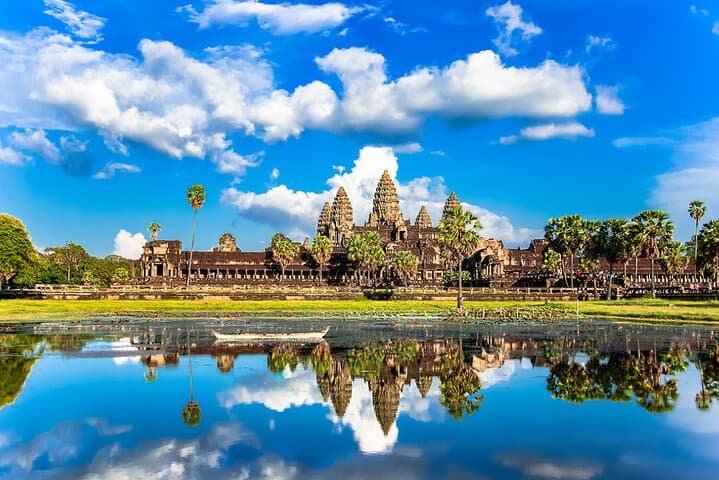
Dawn in Angkor arrives slow and deliberate: towers shift from charcoal to gold while tuk-tuks still hum past sleepy guesthouses in Siem Reap.
Dawn in Angkor arrives slow and deliberate: towers shift from charcoal to gold while tuk-tuks still hum past sleepy guesthouses in Siem Reap.
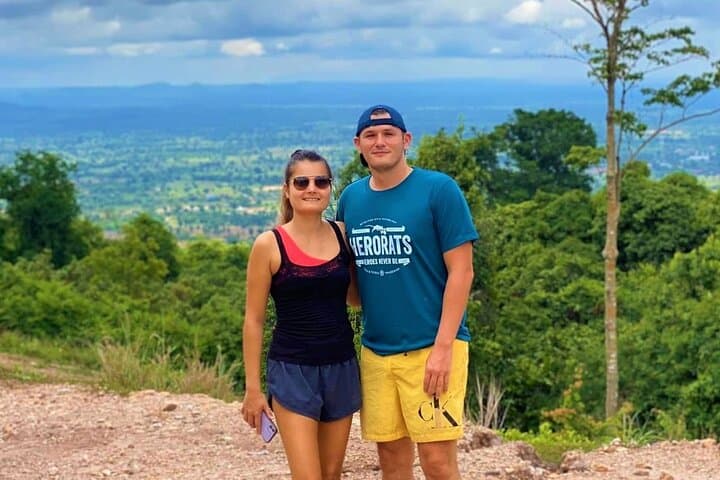
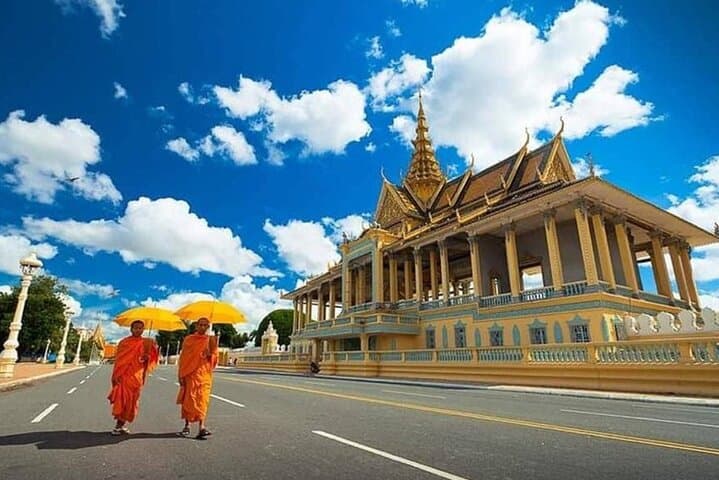
This seven-day journey moves from Phnom Penh’s riverside boulevards and royal palaces to the jungle-draped temples of Angkor and the seasonal waters of Tonle Sap. Expect quiet, purposeful walking through temple galleries, short boat rides across reed-lined channels, highway crossings past roadside markets and a handful of easy nature trails on Phnom Kulen plateau.
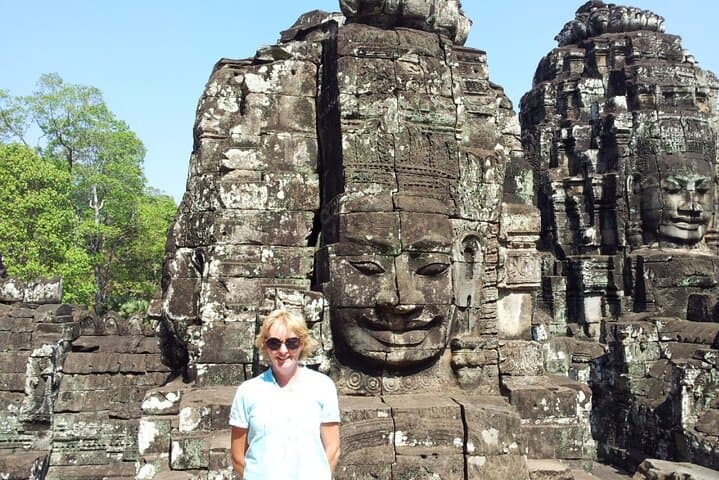
Historically the route maps Cambodia’s sweep—from colonial Phnom Penh and Khmer Rouge sites that bear recent memory, to the Angkorian heartland whose sandstone temples date from the 9th–13th centuries. Geologically the region is lowland alluvium around Tonle Sap and sandstone plateaus at Phnom Kulen; the contrast produces floodplain fisheries and cliff-fed waterfalls. Culturally you’ll meet artisans at Artisans Angkor, sample unusual snacks at Skun, and see local village life sustained by the lake’s rhythms.
Practical guidance: rise early for Angkor sunrise and avoid midday heat; wear temple-appropriate clothing that covers shoulders and knees. Walks are mostly flat but expect uneven stone, low doorways and steep temple steps—comfortable, broken-in shoes and a small daypack make each leg easier. Carry local currency for village purchases and tips; bottled water is widely available but bring a refill bottle and purification tablets for longer boat days. The trip is suitable for travelers in average health who can handle repeated short walks and some vehicle transfers.