THE ADVENTURE COLLECTIVE® · Independent discovery and booking for outdoor travel

In four hours, taste Moscatel Roxo and tour two distinct Setúbal wineries—one rooted in 19th-century family tradition and one defined by modern design—while learning how soil, sea air, and history shape Portugal’s wines.
In four hours, taste Moscatel Roxo and tour two distinct Setúbal wineries—one rooted in 19th-century family tradition and one defined by modern design—while learning how soil, sea air, and history shape Portugal’s wines.
A short drive south of Lisbon drops you into a landscape where sun-creased vineyards slope toward the Sado estuary and the limestone shoulders of the Arrábida hills. The minivan eases through low stone walls and cork oaks; inside, a guide sketches the day’s route and teases the Moscatel Roxo you’ll taste later.
Verified experiences and guided adventures in the surrounding area.
Operated by LRS, Private tours · Setúbal, Setúbal District
A short drive south of Lisbon drops you into a landscape where sun-creased vineyards slope toward the Sado estuary and the limestone shoulders of the Arrábida hills. The minivan eases through low stone walls and cork oaks; inside, a guide sketches the day’s route and teases the Moscatel Roxo you’ll taste later.
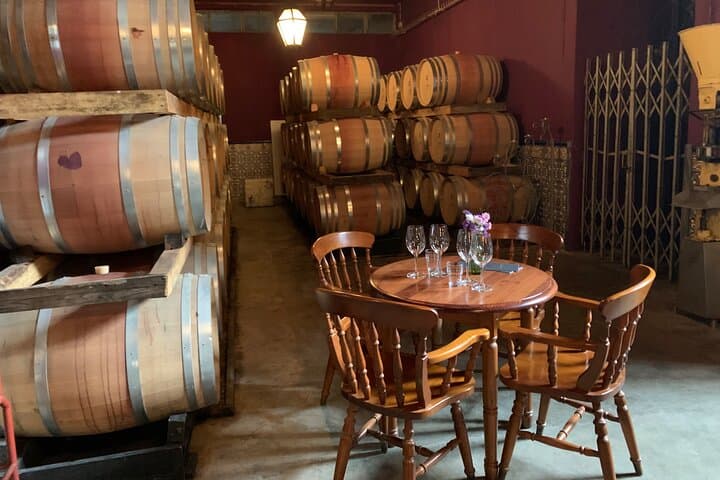
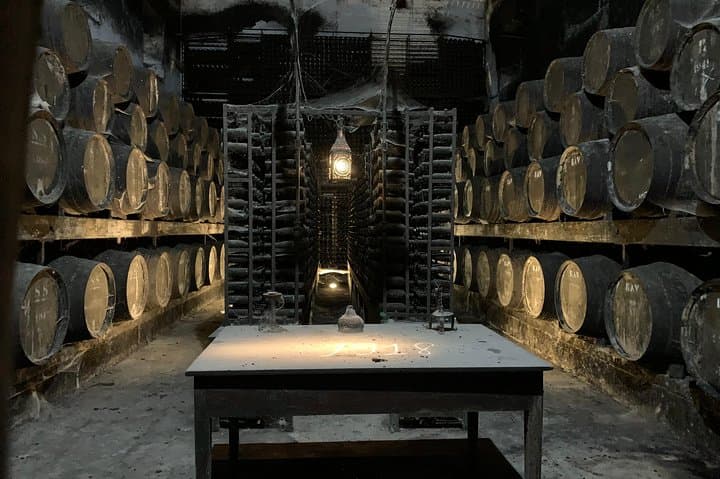
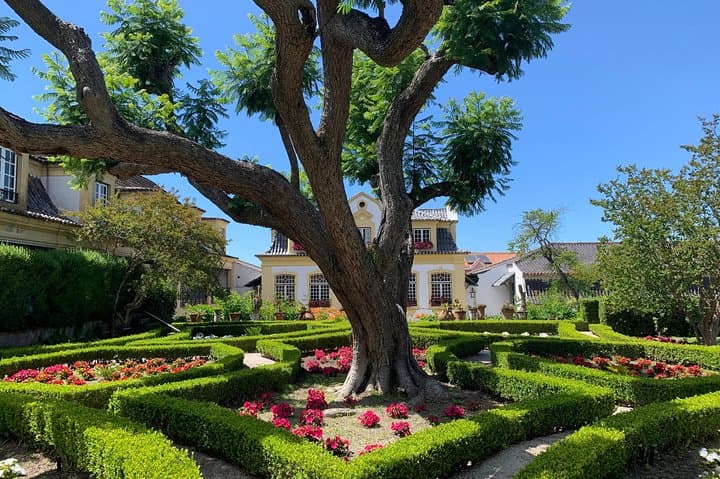
This four-hour tour pairs two contrasting estates—centuries-old family cellars that have shaped Setúbal’s wine identity and a modern facility where glass and geometry house long rows of barrels. The region’s viticulture is rooted in maritime influence and varied soils: clay and limestone pockets give Moscatel and robust reds their texture, while proximity to the estuary tempers summer heat. José Maria da Fonseca, founded in 1834, fixed Moscatel de Setúbal on the map; Bacalhôa later brought contemporary design and large-scale aging techniques to the peninsula.
Culturally, the tour is part tasting, part local history lesson—expect stories of family lines, traditional amphorae practices in nearby Alentejo, and the role of cooperatives like Palmela in sustaining small producers. You’ll sip 6–7 wines, including fortified Moscatel, and get time to buy bottles from cellar shops.
Practically: wear comfortable shoes for brief cellar steps, bring photo ID for tastings, and hydrate before and after sessions. Tours move at a relaxed tourist pace; skip-the-line entry and onboard Wi‑Fi make logistics easy. If you want to extend the day, combine the tour with a short stop at the Arrábida viewpoints or Setúbal’s fish market for a local meal.
easy.
4 hours.
Suitable for most fitness levels; requires short periods of standing and walking on uneven cellar floors.
Tours typically pick up from central Lisbon meeting points or offer transfer options—confirm your pickup point when booking to ensure the correct meeting time.
Yes. Each stop has a shop with bottles available for purchase; some wines may be exclusive to the cellar.
The operator lists the tour as wheelchair accessible, but cellars may have uneven flooring—notify the company of accessibility needs when booking.
Infants and small children can join; tastings are for adults only. Child seats and strollers are typically accommodated on the vehicle.
Setúbal’s Moscatel production dates back centuries; José Maria da Fonseca, established in 1834, is one of the region’s oldest producers and helped popularize fortified Moscatel.
Vineyards sit near Arrábida Natural Park; responsible tourism and buying local help support landscape conservation and low-impact viticulture practices.
LRS, Private tours operates guided outdoor trips and adventures with an emphasis on safety, stewardship, and memorable experiences.
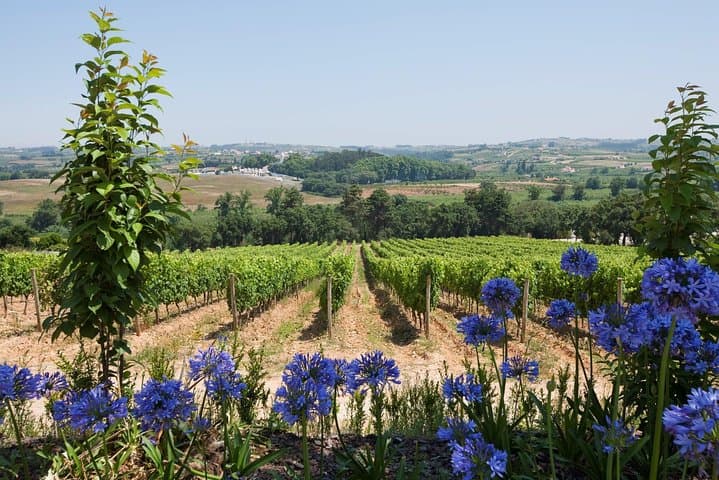
A short drive south of Lisbon drops you into a landscape where sun-creased vineyards slope toward the Sado estuary and the limestone shoulders of the Arrábida hills. The minivan eases through low stone walls and cork oaks; inside, a guide sketches the day’s route and teases the Moscatel Roxo you’ll taste later.
A short drive south of Lisbon drops you into a landscape where sun-creased vineyards slope toward the Sado estuary and the limestone shoulders of the Arrábida hills. The minivan eases through low stone walls and cork oaks; inside, a guide sketches the day’s route and teases the Moscatel Roxo you’ll taste later.
This four-hour tour pairs two contrasting estates—centuries-old family cellars that have shaped Setúbal’s wine identity and a modern facility where glass and geometry house long rows of barrels. The region’s viticulture is rooted in maritime influence and varied soils: clay and limestone pockets give Moscatel and robust reds their texture, while proximity to the estuary tempers summer heat. José Maria da Fonseca, founded in 1834, fixed Moscatel de Setúbal on the map; Bacalhôa later brought contemporary design and large-scale aging techniques to the peninsula.
Culturally, the tour is part tasting, part local history lesson—expect stories of family lines, traditional amphorae practices in nearby Alentejo, and the role of cooperatives like Palmela in sustaining small producers. You’ll sip 6–7 wines, including fortified Moscatel, and get time to buy bottles from cellar shops.
Practically: wear comfortable shoes for brief cellar steps, bring photo ID for tastings, and hydrate before and after sessions. Tours move at a relaxed tourist pace; skip-the-line entry and onboard Wi‑Fi make logistics easy. If you want to extend the day, combine the tour with a short stop at the Arrábida viewpoints or Setúbal’s fish market for a local meal.