THE ADVENTURE COLLECTIVE® · Independent discovery and booking for outdoor travel

Cross the Tagus, taste Setúbal's seafood, then board a catamaran into the Sado Estuary where dolphins routinely approach the boat. This private day trip pairs coastal geology and local cuisine with responsible wildlife viewing and scenic stops at Sesimbra and Arrábida.
Cross the Tagus, taste Setúbal's seafood, then board a catamaran into the Sado Estuary where dolphins routinely approach the boat. This private day trip pairs coastal geology and local cuisine with responsible wildlife viewing and scenic stops at Sesimbra and Arrábida.
You cross the Tagus under the 25th of April Bridge, the city's skyline thinning as the river dares you toward open water. A brief stop at Cristo Rei gives a wide-angle view of Lisbon's river mouth before the road bends south and the scent of frying fish grows stronger in Setúbal's harbor.
Verified experiences and guided adventures in the surrounding area.
Operated by SWINGO by Avenidas · Setúbal, Setúbal District
You cross the Tagus under the 25th of April Bridge, the city's skyline thinning as the river dares you toward open water. A brief stop at Cristo Rei gives a wide-angle view of Lisbon's river mouth before the road bends south and the scent of frying fish grows stronger in Setúbal's harbor.
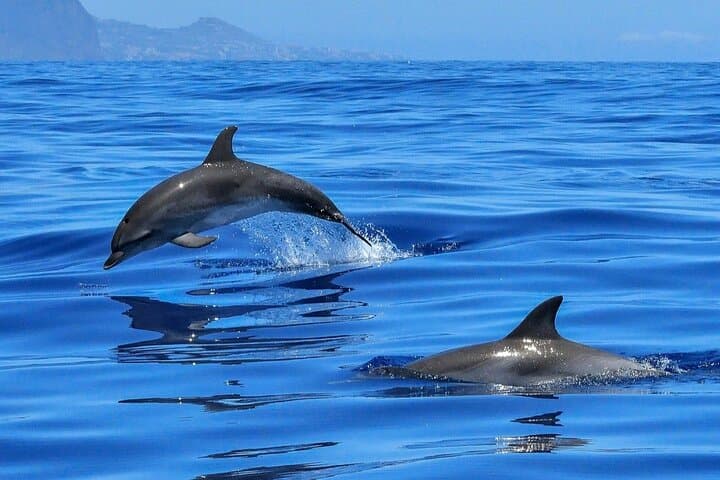
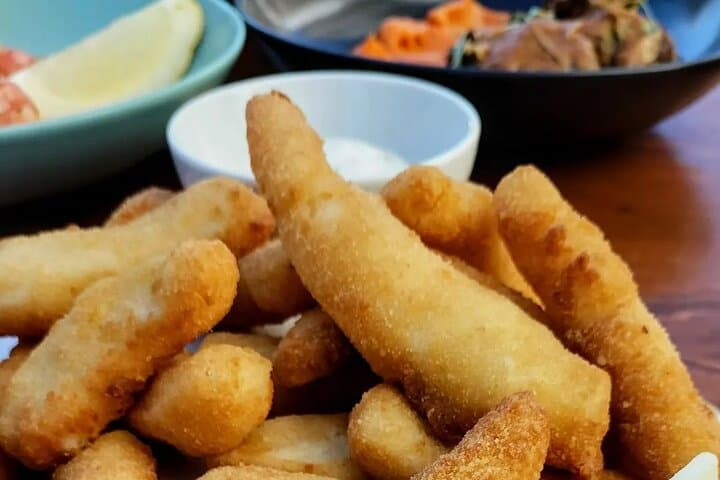
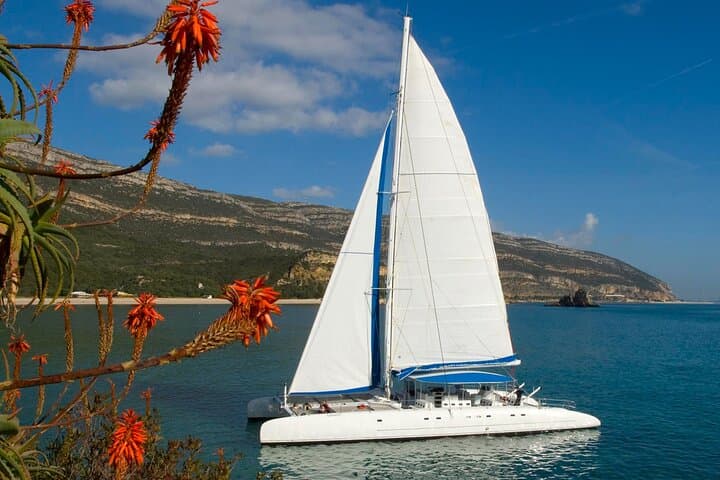
Setúbal's port is a working place: boats, nets, and a long history of fishing that feeds the town's seafood reputation — choco frito (fried cuttlefish) is a local rite. The Sado Estuary itself is shaped by sediment from the river and the limestone cliffs of the Serra da Arrábida; currents funnel through shallow channels where both bottlenose and common dolphins forage. From the catamaran, dolphins often approach the bow, curious and purposeful, while seabirds wheel overhead.
Geology shows in the white cliffs of Arrábida and the promontory of Cabo de Espichel, with medieval defenses like Sesimbra Castle punctuating the coastline. Culture here is maritime and unpretentious: family restaurants, small boatyards, and ferry links to Troia.
Practically, expect an 8–9 hour private day: a short viewpoint stop, a long lunch in Setúbal, and a roughly 3-hour catamaran dolphin cruise with restrooms and bottled water onboard. Bring sun protection, motion-sickness remedies if you're sensitive, and a light jacket for winds on deck. Follow guides' instructions for safe, ethical wildlife viewing — no feeding or chasing — and time your trip for morning light when dolphins and visibility are often best.
moderate.
8–9 hours.
Light to moderate fitness — able to stand and move on a boat for several hours and walk short distances ashore for viewpoints and lunch.
No — sightings are common but not guaranteed; guides choose productive areas and follow seasonal patterns to maximize chances.
Lunch is arranged in Setúbal; you can book your own restaurant or have the guide recommend or reserve a local seafood spot.
Yes — the trip is family-friendly, with infant seats available and stroller access on shore; notify operators when booking.
Catamarans typically have onboard restrooms and stable boarding, but accessibility can vary—ask the operator about specific mobility needs during booking.
Setúbal has been a fishing and salt-production center since Roman times; its maritime culture shaped local dishes like choco frito.
The Sado Estuary is monitored for marine life and many operators follow codes of conduct to minimize disturbance—avoid tossing litter and follow the guide's approach distances.
SWINGO by Avenidas operates guided outdoor trips and adventures with an emphasis on safety, stewardship, and memorable experiences.

You cross the Tagus under the 25th of April Bridge, the city's skyline thinning as the river dares you toward open water. A brief stop at Cristo Rei gives a wide-angle view of Lisbon's river mouth before the road bends south and the scent of frying fish grows stronger in Setúbal's harbor.
You cross the Tagus under the 25th of April Bridge, the city's skyline thinning as the river dares you toward open water. A brief stop at Cristo Rei gives a wide-angle view of Lisbon's river mouth before the road bends south and the scent of frying fish grows stronger in Setúbal's harbor.
Setúbal's port is a working place: boats, nets, and a long history of fishing that feeds the town's seafood reputation — choco frito (fried cuttlefish) is a local rite. The Sado Estuary itself is shaped by sediment from the river and the limestone cliffs of the Serra da Arrábida; currents funnel through shallow channels where both bottlenose and common dolphins forage. From the catamaran, dolphins often approach the bow, curious and purposeful, while seabirds wheel overhead.
Geology shows in the white cliffs of Arrábida and the promontory of Cabo de Espichel, with medieval defenses like Sesimbra Castle punctuating the coastline. Culture here is maritime and unpretentious: family restaurants, small boatyards, and ferry links to Troia.
Practically, expect an 8–9 hour private day: a short viewpoint stop, a long lunch in Setúbal, and a roughly 3-hour catamaran dolphin cruise with restrooms and bottled water onboard. Bring sun protection, motion-sickness remedies if you're sensitive, and a light jacket for winds on deck. Follow guides' instructions for safe, ethical wildlife viewing — no feeding or chasing — and time your trip for morning light when dolphins and visibility are often best.