THE ADVENTURE COLLECTIVE® · Independent discovery and booking for outdoor travel

Explore Setúbal’s Livramento Market, step into a sardine canning factory-turned-museum and tour the Convent of Jesus with a local guide. This three-hour walk brings Portugal’s fishing heritage to life just 40 minutes from Lisbon.
Explore Setúbal’s Livramento Market, step into a sardine canning factory-turned-museum and tour the Convent of Jesus with a local guide. This three-hour walk brings Portugal’s fishing heritage to life just 40 minutes from Lisbon.
You arrive to the clatter of fishmongers and the smell of seawater, walking under the painted tiles of Livramento Market where slabs of fish reflect the late-morning light.
Verified experiences and guided adventures in the surrounding area.
Operated by Follow Me - Portugal Tours · Setúbal, Setúbal District
You arrive to the clatter of fishmongers and the smell of seawater, walking under the painted tiles of Livramento Market where slabs of fish reflect the late-morning light.
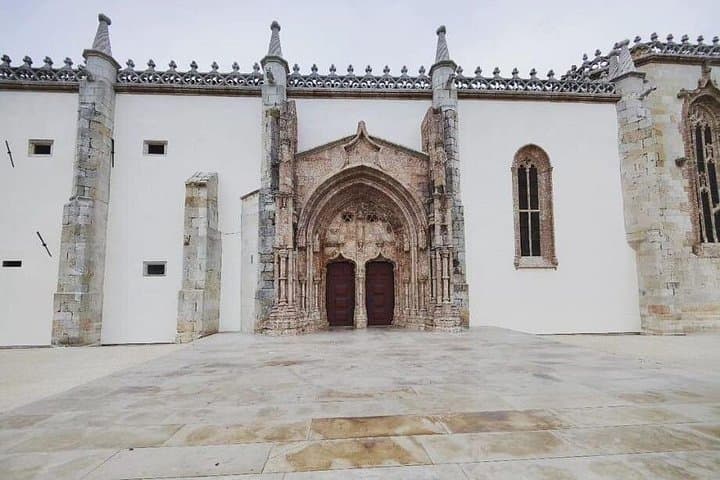
This three-hour walking tour threads through Setúbal’s working streets: a frescoed market hall, a converted sardine factory-turned-museum, and the Gothic-Manueline lines of the Convent of Jesus — built by the same architect associated with Lisbon’s great monastery and older than its more famous sibling.
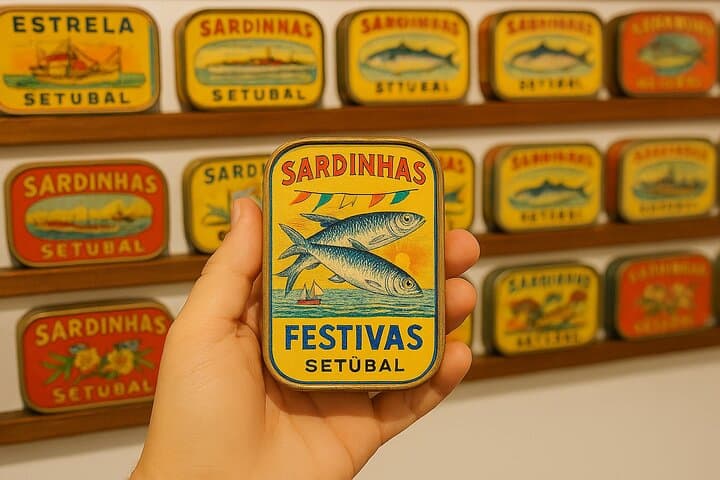
Geology shows itself in the dark cliffs of the Arrábida foothills visible from the waterfront and in the rich estuary mud that has fed generations of fishers. Culturally, Setúbal is defined by its canning heritage: once home to hundreds of plants, the town’s economy and identity were shaped by tins, smokehouses, and the cadence of the docks.
Local guides point out small details — the market’s tile panels, the tools used in preservation, and the neighborhood where dockworkers lived. You’ll pass a labor museum in a former cannery and Roman ruins that hint at the town’s long occupation.
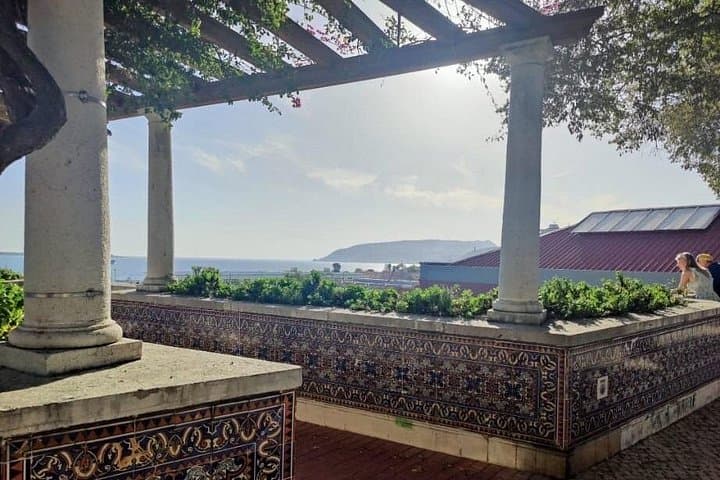
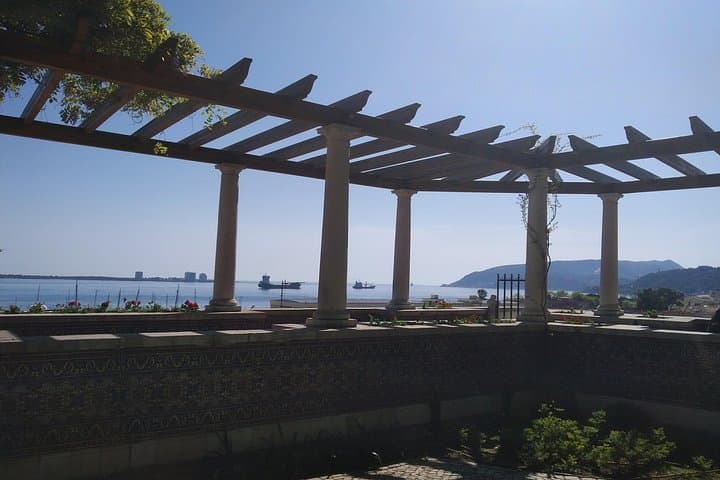
Practical guidance: wear grippy shoes for wet market floors, bring a reusable bottle for taps around town, and arrive with small change for samples and snacks. The route is mostly flat but includes cobbled alleys; pace is gentle and accessible to most visitors. Morning tours avoid the heat and show the market at peak activity. Finish with a tasting of canned sardines and a view over the Sado estuary, where dolphins sometimes break the surface — a compact, sensory-rich slice of Portugal beyond Lisbon.
easy.
3 hours.
Suitable for most visitors; mostly flat walking with short cobbled sections
Setúbal is about 40 minutes by car or 50–60 minutes by regional train from Lisbon’s Sete Rios or Entrecampos stations; the meeting point details are provided at booking.
Yes — the tour is family-friendly, with accessible viewing areas; infants in strollers are accommodated.
Yes — admission to the sardine conservation factory/museum and the Convent of Jesus are included in the tour price.
Tours are led by local guides; language options vary so confirm at booking — many guides speak English and Portuguese.
Setúbal’s economy was built on sardine fishing and canning; the city once hosted hundreds of canneries and the industry shaped its neighborhoods and museums.
Support sustainable seafood by asking vendors about sourcing, avoid single-use plastics at the market, and stick to marked streets to reduce wear on historic surfaces.
Follow Me - Portugal Tours operates guided outdoor trips and adventures with an emphasis on safety, stewardship, and memorable experiences.
You arrive to the clatter of fishmongers and the smell of seawater, walking under the painted tiles of Livramento Market where slabs of fish reflect the late-morning light.
You arrive to the clatter of fishmongers and the smell of seawater, walking under the painted tiles of Livramento Market where slabs of fish reflect the late-morning light.
This three-hour walking tour threads through Setúbal’s working streets: a frescoed market hall, a converted sardine factory-turned-museum, and the Gothic-Manueline lines of the Convent of Jesus — built by the same architect associated with Lisbon’s great monastery and older than its more famous sibling.
Geology shows itself in the dark cliffs of the Arrábida foothills visible from the waterfront and in the rich estuary mud that has fed generations of fishers. Culturally, Setúbal is defined by its canning heritage: once home to hundreds of plants, the town’s economy and identity were shaped by tins, smokehouses, and the cadence of the docks.
Local guides point out small details — the market’s tile panels, the tools used in preservation, and the neighborhood where dockworkers lived. You’ll pass a labor museum in a former cannery and Roman ruins that hint at the town’s long occupation.
Practical guidance: wear grippy shoes for wet market floors, bring a reusable bottle for taps around town, and arrive with small change for samples and snacks. The route is mostly flat but includes cobbled alleys; pace is gentle and accessible to most visitors. Morning tours avoid the heat and show the market at peak activity. Finish with a tasting of canned sardines and a view over the Sado estuary, where dolphins sometimes break the surface — a compact, sensory-rich slice of Portugal beyond Lisbon.