THE ADVENTURE COLLECTIVE® · Independent discovery and booking for outdoor travel

Cross the Tagus and follow the coast to Setúbal for an eco-focused day of dolphin watching, Arrábida cliffs and a beachfront grill-fish lunch. This private eight-hour tour blends wildlife cruising with cultural stops at historic churches, castles and local markets.
Cross the Tagus and follow the coast to Setúbal for an eco-focused day of dolphin watching, Arrábida cliffs and a beachfront grill-fish lunch. This private eight-hour tour blends wildlife cruising with cultural stops at historic churches, castles and local markets.
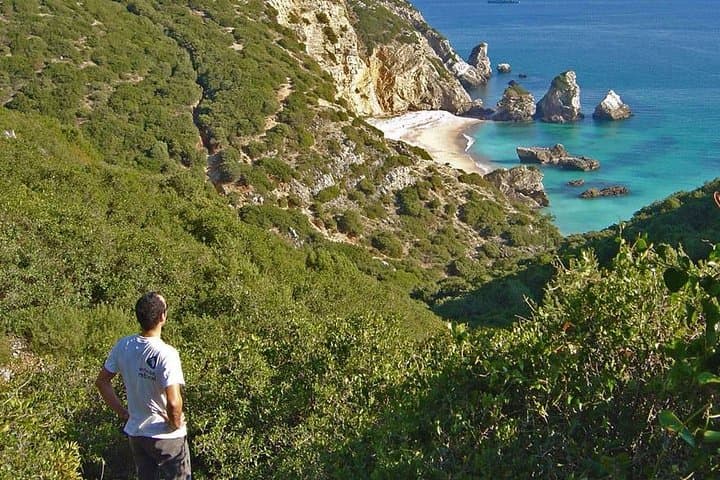
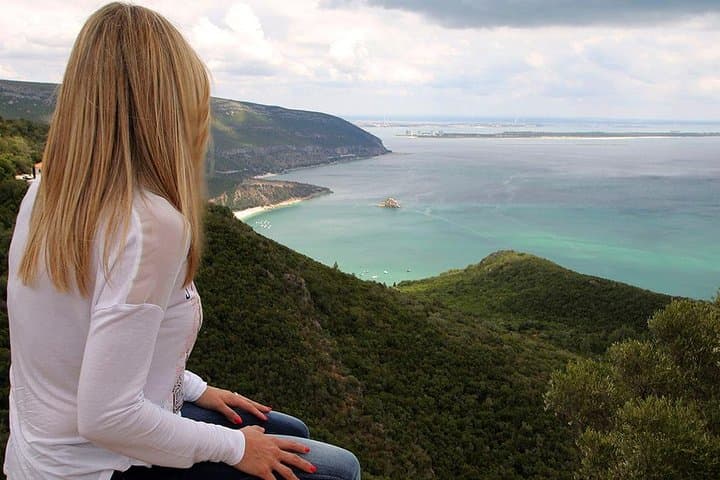
The morning light slices across the Tagus as your minivan crosses the 25th of April bridge, and the city’s silhouette slowly falls behind. By midmorning you stand near the water in Setúbal, the salt air tugging at your jacket, ready for a boat that will push into the Sado estuary where dolphins weave through the surf and cliffs of Arrábida loom like folded limestone ribs.
Verified experiences and guided adventures in the surrounding area.
Operated by Knight Riders Tourism · Setúbal, Setúbal District
The morning light slices across the Tagus as your minivan crosses the 25th of April bridge, and the city’s silhouette slowly falls behind. By midmorning you stand near the water in Setúbal, the salt air tugging at your jacket, ready for a boat that will push into the Sado estuary where dolphins weave through the surf and cliffs of Arrábida loom like folded limestone ribs.
This region wears history visibly: the Manueline details of the Convent of Jesus in Setúbal speak to 16th-century maritime wealth, while Cristo Rei — inspired by Rio’s monument — keeps watch from the south bank, a mid-20th-century devotional landmark. Geologically, Arrábida’s white limestones and marl create steep headlands and sheltered coves; the Sado marshes below are critical wintering grounds for flamingos and spring stork colonies.
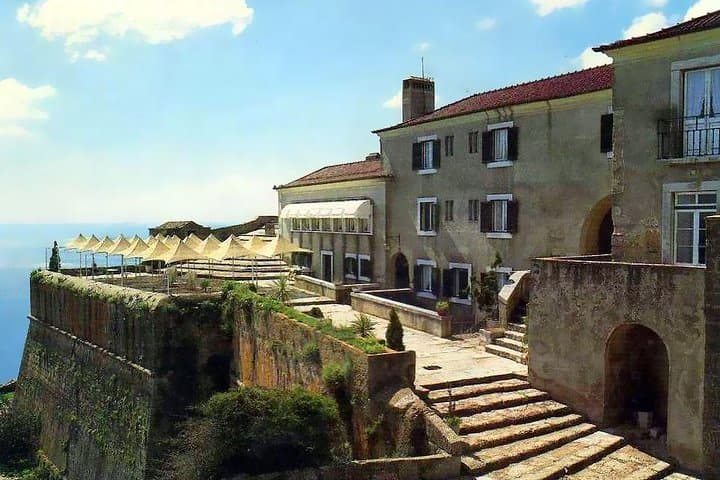
Culture here is coastal and direct: fisher markets brim with fresh catch, and grill-fish lunches eaten at a beachfront restaurant are as much social ritual as meal. The tour pairs short shore stops — Sesimbra’s surf-facing bay, Castelo de São Filipe’s viewpoints — with a wildlife-focused boat run that typically lasts around an hour to two, depending on conditions.
Practical notes: plan for an eight-hour day with mostly easy walking and several on-deck periods; sunscreen, a windproof layer, and motion-sickness preparations will make the boat time more comfortable. Timing favors morning departures for calmer seas and lighter crowds. Respect wildlife by keeping distance and following guide instructions; photography and binoculars are rewarded on every bend of coastline.
easy.
8 hours.
Suitable for most fitness levels; involves short walks and standing on deck during the cruise
No—dolphin sightings are common in the Sado estuary but not guaranteed; sightings depend on weather and animal behavior.
Yes; the provider lists wheelchair-accessible transport and surfaces, but check specific boarding arrangements for the boat in advance.
The tour typically includes pickup/drop-off, private guide/driver, boat cruise, live commentary, tickets and a grill-fish lunch at a beachfront restaurant.
Yes—children are welcome but must be accompanied by an adult; infant seats are available on request.
Setúbal and the Arrábida coast have maritime roots: the Convent of Jesus reflects Manueline age wealth and Cristo Rei was erected in 1959 as a post-war devotional monument.
The Sado estuary and Arrábida are protected habitats; stick to marked paths, avoid disturbing wildlife, and minimize single-use plastics to reduce visitor impact.
Knight Riders Tourism operates guided outdoor trips and adventures with an emphasis on safety, stewardship, and memorable experiences.

The morning light slices across the Tagus as your minivan crosses the 25th of April bridge, and the city’s silhouette slowly falls behind. By midmorning you stand near the water in Setúbal, the salt air tugging at your jacket, ready for a boat that will push into the Sado estuary where dolphins weave through the surf and cliffs of Arrábida loom like folded limestone ribs.
The morning light slices across the Tagus as your minivan crosses the 25th of April bridge, and the city’s silhouette slowly falls behind. By midmorning you stand near the water in Setúbal, the salt air tugging at your jacket, ready for a boat that will push into the Sado estuary where dolphins weave through the surf and cliffs of Arrábida loom like folded limestone ribs.
This region wears history visibly: the Manueline details of the Convent of Jesus in Setúbal speak to 16th-century maritime wealth, while Cristo Rei — inspired by Rio’s monument — keeps watch from the south bank, a mid-20th-century devotional landmark. Geologically, Arrábida’s white limestones and marl create steep headlands and sheltered coves; the Sado marshes below are critical wintering grounds for flamingos and spring stork colonies.
Culture here is coastal and direct: fisher markets brim with fresh catch, and grill-fish lunches eaten at a beachfront restaurant are as much social ritual as meal. The tour pairs short shore stops — Sesimbra’s surf-facing bay, Castelo de São Filipe’s viewpoints — with a wildlife-focused boat run that typically lasts around an hour to two, depending on conditions.
Practical notes: plan for an eight-hour day with mostly easy walking and several on-deck periods; sunscreen, a windproof layer, and motion-sickness preparations will make the boat time more comfortable. Timing favors morning departures for calmer seas and lighter crowds. Respect wildlife by keeping distance and following guide instructions; photography and binoculars are rewarded on every bend of coastline.