THE ADVENTURE COLLECTIVE® · Independent discovery and booking for outdoor travel

Spend a full day south of Lisbon exploring Setúbal, the Arrábida hills and Azeitão’s wineries. This private tour pairs vineyard tastings with coastal viewpoints and a slice of regional history.
Spend a full day south of Lisbon exploring Setúbal, the Arrábida hills and Azeitão’s wineries. This private tour pairs vineyard tastings with coastal viewpoints and a slice of regional history.
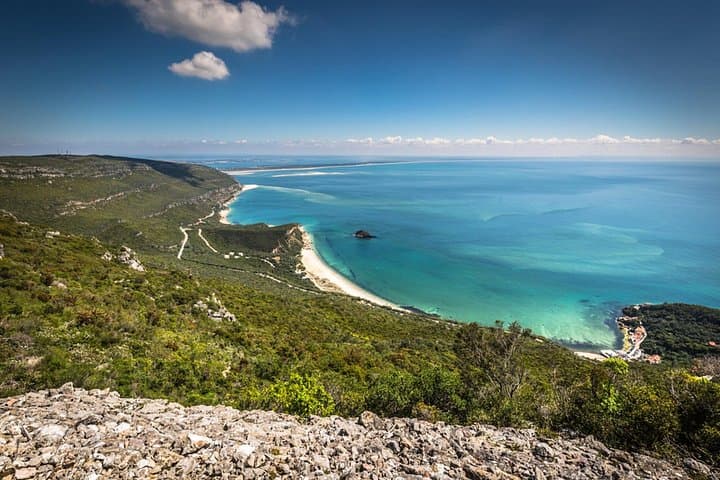
The morning air out of Lisbon tastes of salt and motion as you slide south in a private, air‑conditioned vehicle toward Setúbal. Windows frame the estuary, the hills of Arrábida rising like folded pages of limestone; vineyards unfurl across gentle slopes and the sea keeps time on the horizon.
Verified experiences and guided adventures in the surrounding area.
Operated by Meridian4People - Portugal & Spain · Setúbal, Setúbal District
The morning air out of Lisbon tastes of salt and motion as you slide south in a private, air‑conditioned vehicle toward Setúbal. Windows frame the estuary, the hills of Arrábida rising like folded pages of limestone; vineyards unfurl across gentle slopes and the sea keeps time on the horizon.
Setúbal's port has long linked this coast to trade and fishing; the region’s viticulture stretches back centuries, with Moscatel of Azeitão achieving fame as a concentrated, fortified sweet wine. Geologically Arrábida is a slab of marine limestone and marl shaped by wind and sea—its cliffs drop suddenly to calcareous coves and maquis scrub that carries rosemary and thyme.
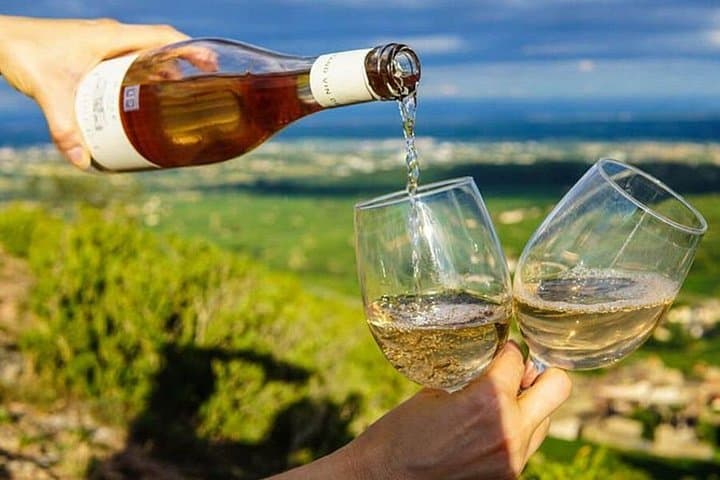
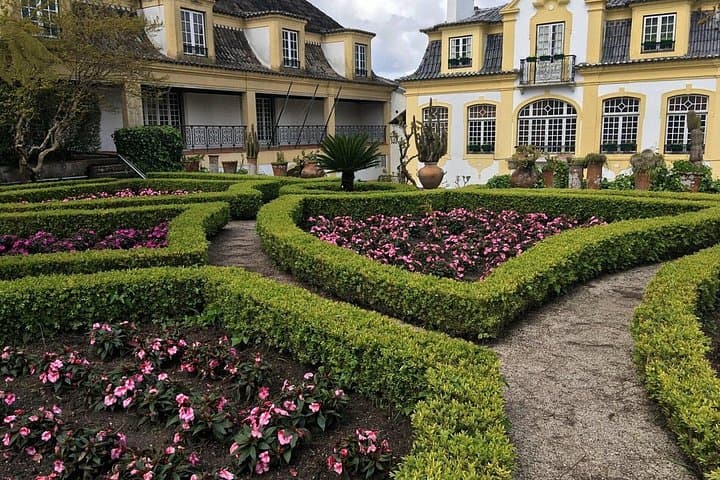
Culturally, Azeitão villages keep old craft skills alive: cheesemaking, pottery and family‑run quinta winemaking. José Maria da Fonseca and Bacalhoa balance tradition with experimental blends, while smaller producers concentrate on hands‑on techniques and local grape varieties.
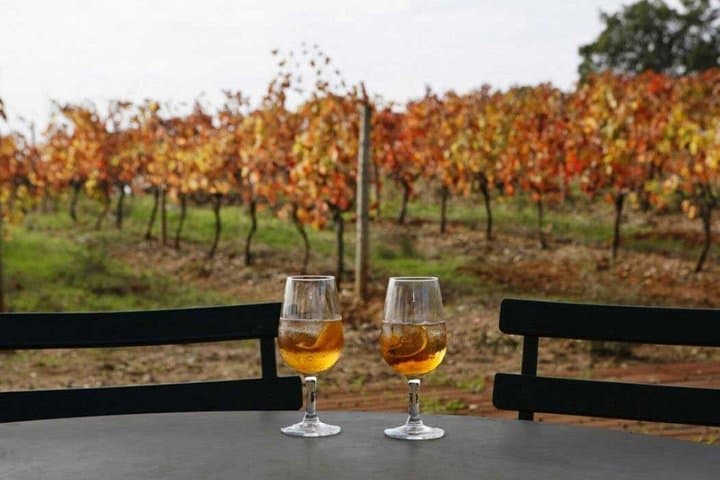
On the ground, expect short guided tastings (some charge a modest fee), a relaxed lunch window in a hill village, and time to walk a vineyard row or peer from a miradouro over the Sado estuary. The Arrábida Natural Park portion is more about views than long hikes—paths are uneven and limestone can be sharp underfoot, so plan stable shoes.
Practical notes: bring sun protection, a refillable water bottle, and a light layer for coastal breezes; tasting fees and lunch are often extra. Pickup and drop‑off from Lisbon make this a full‑day, low‑effort immersion in Atlantic‑facing wines and coastal geology.
easy.
9 hours.
Suitable for most fitness levels; involves short walks and standing during tastings.
The full day is approximately nine hours including pickup and drop‑off in Lisbon.
Some tastings may be included, but smaller quintas often charge a modest tasting fee (around €10–€20).
Yes—the tour is rated easy and stroller accessible, but minors will be offered non‑alcoholic drinks during tastings.
Most operators can handle basic dietary needs if informed at booking; use the special requirements field to specify.
Setúbal grew as a fishing and salt center with human presence dating back to Neolithic times; Azeitão’s winemaking and cheese traditions have deep local roots tied to rural estates.
Arrábida Natural Park protects Mediterranean‑type maquis and limestone habitats; visitors should stick to marked trails and avoid trampling rare coastal scrub to reduce erosion and habitat loss.
Meridian4People - Portugal & Spain operates guided outdoor trips and adventures with an emphasis on safety, stewardship, and memorable experiences.
The morning air out of Lisbon tastes of salt and motion as you slide south in a private, air‑conditioned vehicle toward Setúbal. Windows frame the estuary, the hills of Arrábida rising like folded pages of limestone; vineyards unfurl across gentle slopes and the sea keeps time on the horizon.
The morning air out of Lisbon tastes of salt and motion as you slide south in a private, air‑conditioned vehicle toward Setúbal. Windows frame the estuary, the hills of Arrábida rising like folded pages of limestone; vineyards unfurl across gentle slopes and the sea keeps time on the horizon.
Setúbal's port has long linked this coast to trade and fishing; the region’s viticulture stretches back centuries, with Moscatel of Azeitão achieving fame as a concentrated, fortified sweet wine. Geologically Arrábida is a slab of marine limestone and marl shaped by wind and sea—its cliffs drop suddenly to calcareous coves and maquis scrub that carries rosemary and thyme.
Culturally, Azeitão villages keep old craft skills alive: cheesemaking, pottery and family‑run quinta winemaking. José Maria da Fonseca and Bacalhoa balance tradition with experimental blends, while smaller producers concentrate on hands‑on techniques and local grape varieties.
On the ground, expect short guided tastings (some charge a modest fee), a relaxed lunch window in a hill village, and time to walk a vineyard row or peer from a miradouro over the Sado estuary. The Arrábida Natural Park portion is more about views than long hikes—paths are uneven and limestone can be sharp underfoot, so plan stable shoes.
Practical notes: bring sun protection, a refillable water bottle, and a light layer for coastal breezes; tasting fees and lunch are often extra. Pickup and drop‑off from Lisbon make this a full‑day, low‑effort immersion in Atlantic‑facing wines and coastal geology.