THE ADVENTURE COLLECTIVE® · Independent discovery and booking for outdoor travel

Follow the Ourika River from Marrakech into the High Atlas foothills to Setti Fatma, where a market stroll and a rocky trail lead to seven waterfalls, riverside lunches, and visits to Berber cooperatives.
Follow the Ourika River from Marrakech into the High Atlas foothills to Setti Fatma, where a market stroll and a rocky trail lead to seven waterfalls, riverside lunches, and visits to Berber cooperatives.
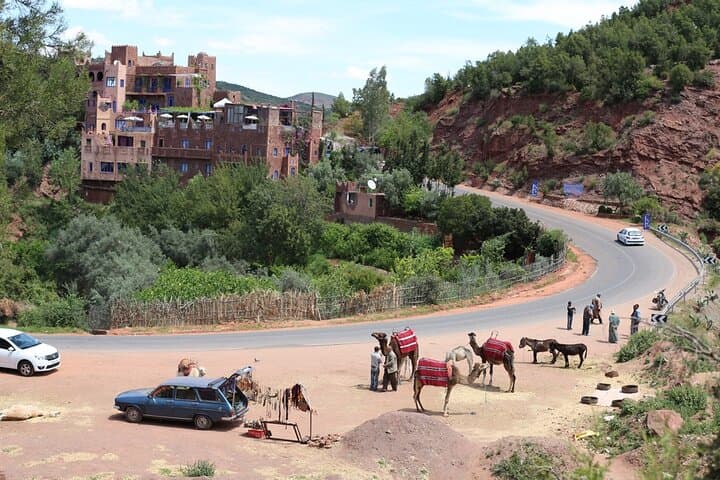
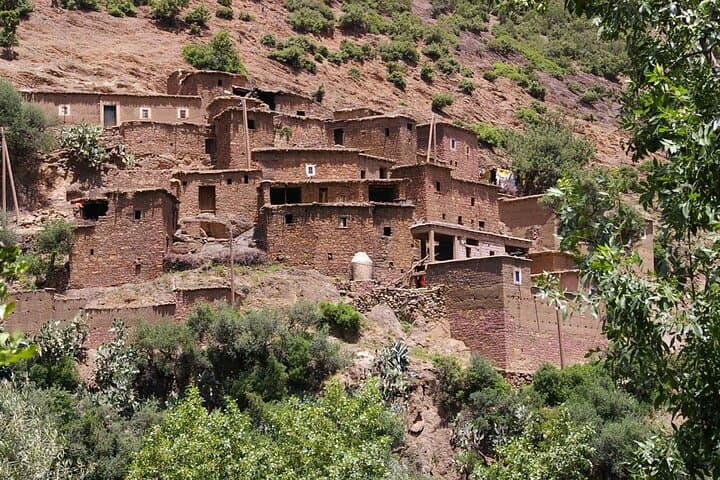
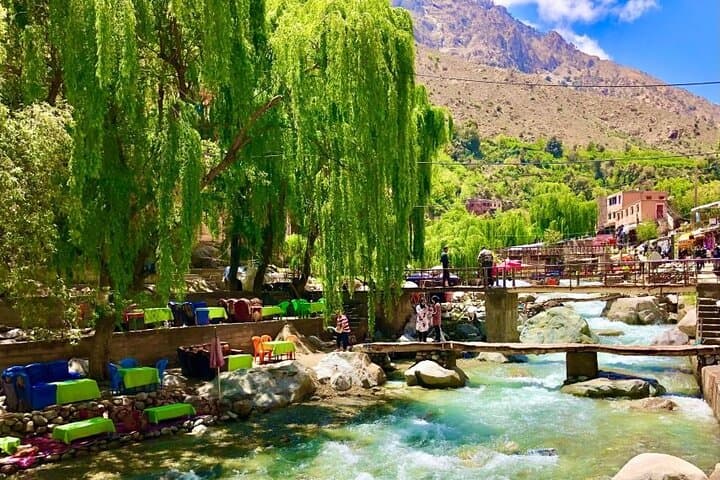
You step out of Marrakech’s heat into the cooler breath of the High Atlas foothills as the road follows the Ourika River, its riffles daring you forward. Villages appear like stacked ochre blocks on the slopes, women heading to cooperative stalls, and roadside stalls selling mint tea and argan oil. The final rise deposits you in Setti Fatma, where a short market browse gives way to a rocky trail that climbs toward seven cascading waterfalls.
Verified experiences and guided adventures in the surrounding area.
Operated by Mamoune travels · Setti Fatma, Marrakech-Safi
You step out of Marrakech’s heat into the cooler breath of the High Atlas foothills as the road follows the Ourika River, its riffles daring you forward. Villages appear like stacked ochre blocks on the slopes, women heading to cooperative stalls, and roadside stalls selling mint tea and argan oil. The final rise deposits you in Setti Fatma, where a short market browse gives way to a rocky trail that climbs toward seven cascading waterfalls.
The Ourika Valley has long been a corridor between Marrakech and the high mountains; Berber communities in the area maintain agricultural terraces and artisanal cooperatives that reflect centuries of mountain life. Geologically, the valley is cut into Mesozoic limestone and shale, fed by Atlas snowmelt and seasonal rains that swell the river and sculpt stepped falls.
Expect varied terrain: from compacted village tracks to steep, rocky switchbacks alongside the stream. Guides often combine cultural stops — a local market or a women’s cooperative — with the hike, and roadside cafés provide a chance to sample tagine and riverbank lunches.
Practical guidance: wear grippy hiking shoes, carry at least 1–2 liters of water, and prepare for sudden temperature shifts between sun-exposed slopes and shaded river gorges. The ascent to the upper falls is moderately strenuous; allow 2–5 hours for exploration including breaks and lunch. Respect local customs when photographing people, support women’s cooperatives if offered, and leave no trace — the valley’s trails are popular but fragile. With an organized driver from Marrakech, the day balances cultural immersion and accessible mountain walking for most travelers.
moderate.
1–7 hours.
Suitable for travelers who can handle uneven, uphill walking for 30–90 minutes; basic stamina required for several hours out.
Walking from Setti Fatma village to the series of falls and back typically takes 2–4 hours depending on how many falls you reach and how long you stop for breaks.
Short sections are family-friendly but the upper falls require sure footing and a moderate level of mobility; consider staying at lower falls if mobility is limited.
There’s no formal national park fee for the waterfalls, but local guides often charge for guiding, and restaurants or cooperative visits cost extra — clarify inclusions when booking.
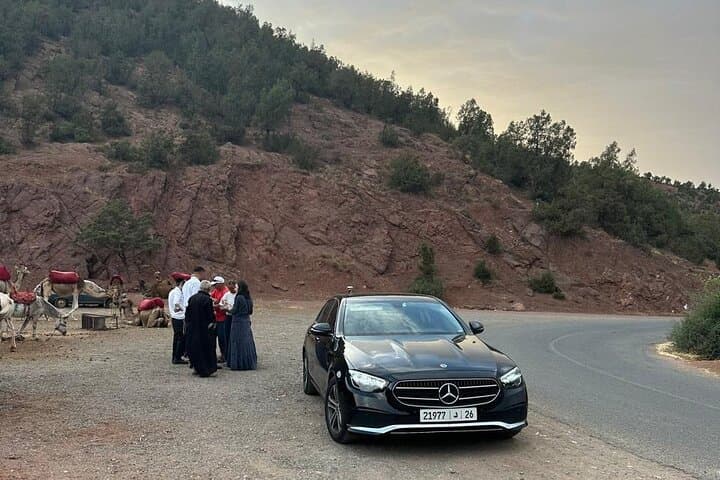
Yes — most operators offer pickup from riads and hotels in Marrakech with private transport and customizable stops along the Ourika Valley.
The Ourika Valley has been inhabited by Amazigh (Berber) communities for centuries; terraces and village architecture reflect traditional mountain agriculture and craft trades.
Visitor pressure can strain trails and riverbanks — stick to established paths, avoid littering, and buy local products from cooperatives to support sustainable livelihoods.
Mamoune travels operates guided outdoor trips and adventures with an emphasis on safety, stewardship, and memorable experiences.
You step out of Marrakech’s heat into the cooler breath of the High Atlas foothills as the road follows the Ourika River, its riffles daring you forward. Villages appear like stacked ochre blocks on the slopes, women heading to cooperative stalls, and roadside stalls selling mint tea and argan oil. The final rise deposits you in Setti Fatma, where a short market browse gives way to a rocky trail that climbs toward seven cascading waterfalls.
You step out of Marrakech’s heat into the cooler breath of the High Atlas foothills as the road follows the Ourika River, its riffles daring you forward. Villages appear like stacked ochre blocks on the slopes, women heading to cooperative stalls, and roadside stalls selling mint tea and argan oil. The final rise deposits you in Setti Fatma, where a short market browse gives way to a rocky trail that climbs toward seven cascading waterfalls.
The Ourika Valley has long been a corridor between Marrakech and the high mountains; Berber communities in the area maintain agricultural terraces and artisanal cooperatives that reflect centuries of mountain life. Geologically, the valley is cut into Mesozoic limestone and shale, fed by Atlas snowmelt and seasonal rains that swell the river and sculpt stepped falls.
Expect varied terrain: from compacted village tracks to steep, rocky switchbacks alongside the stream. Guides often combine cultural stops — a local market or a women’s cooperative — with the hike, and roadside cafés provide a chance to sample tagine and riverbank lunches.
Practical guidance: wear grippy hiking shoes, carry at least 1–2 liters of water, and prepare for sudden temperature shifts between sun-exposed slopes and shaded river gorges. The ascent to the upper falls is moderately strenuous; allow 2–5 hours for exploration including breaks and lunch. Respect local customs when photographing people, support women’s cooperatives if offered, and leave no trace — the valley’s trails are popular but fragile. With an organized driver from Marrakech, the day balances cultural immersion and accessible mountain walking for most travelers.