THE ADVENTURE COLLECTIVE® · Independent discovery and booking for outdoor travel

A lively day trip from Marrakech into the High Atlas that combines a short waterfall hike at Setti Fadma with visits to Berber villages, argan cooperatives and mountain markets. Expect 6–8 hours of cultural encounters, scenic drives and a one-hour village hike.
A lively day trip from Marrakech into the High Atlas that combines a short waterfall hike at Setti Fadma with visits to Berber villages, argan cooperatives and mountain markets. Expect 6–8 hours of cultural encounters, scenic drives and a one-hour village hike.
A thin road peels away from Marrakech and the city’s heat gives way to terraced fields and stark, wind-sculpted ridgelines. By mid-morning the minivan threads into the high valleys; goats pick their way across rock bands and the air smells of dust and mint. At Setti Fadma, the guide leads a short, rough trail to waterfalls where water teases the stones and the valley seems to push back at any hurry.
Verified experiences and guided adventures in the surrounding area.
Operated by Agoudal Travel · Marrakech, Marrakech-Safi
A thin road peels away from Marrakech and the city’s heat gives way to terraced fields and stark, wind-sculpted ridgelines. By mid-morning the minivan threads into the high valleys; goats pick their way across rock bands and the air smells of dust and mint. At Setti Fadma, the guide leads a short, rough trail to waterfalls where water teases the stones and the valley seems to push back at any hurry.
The High Atlas is young, uplifted by tectonic plates and carved by seasonal rivers; villages here trace Berber settlement patterns that predate modern Morocco. Terraced agriculture, stone kasbahs and argan cooperatives tell a cultural story: resilience, barter, and a living craft economy centered on olive, almond and argan harvests.
Travelers can expect a mix of paved driving, village strolls and a roughly one-hour uphill walk over rocky paths with modest steps. Markets—souk days vary by village—offer fresh seasonal produce and local crafts; mint tea is both ritual and welcome. Conservation-minded guides point out erosion-control terraces and small cooperative projects that channel tourism revenue to villages.
Practical notes: start early to avoid midday heat, wear grippy footwear for uneven stone and riverbed sections, and bring at least 1.5 liters of water per person. Cash in small denominations is essential for buying snacks, tipping guides or supporting argan co-ops. Expect 6–8 hours total including transport from Marrakech; restful pauses in a Berber house provide shade and a homemade lunch overlooking the valleys.
moderate.
6–8 hours.
Suitable for travelers with moderate fitness: able to walk uneven terrain for up to an hour and handle several hours in a vehicle.
The guided walk is about one hour over uneven, sometimes steep trail sections leading to waterfalls—suitable for most people with steady footing.
Yes; the tour includes lunch at a Berber house in a village overlooking the Atlas Mountains, typically local dishes and tea.
Children can participate, but infants should be kept on laps in vehicles and parents should assess younger kids’ ability to handle rocky paths.
Yes; bring Moroccan dirham in small denominations for market purchases, argan cooperative items and tips—cards are not widely accepted in small villages.
The High Atlas villages reflect centuries of Berber habitation, with stone-built homes and terraced farming adapted to steep slopes and seasonal water flow.
Increased visitor numbers strain fragile terraces and water sources; support local cooperatives and stay on trails to reduce erosion and economic leakage from villages.
Agoudal Travel operates guided outdoor trips and adventures with an emphasis on safety, stewardship, and memorable experiences.
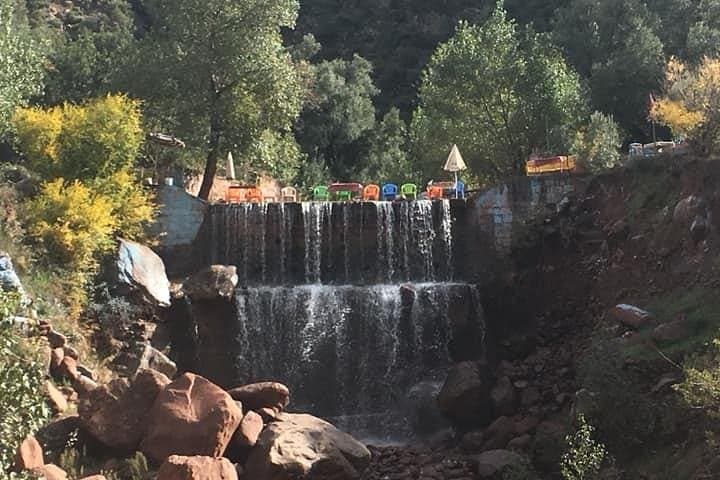
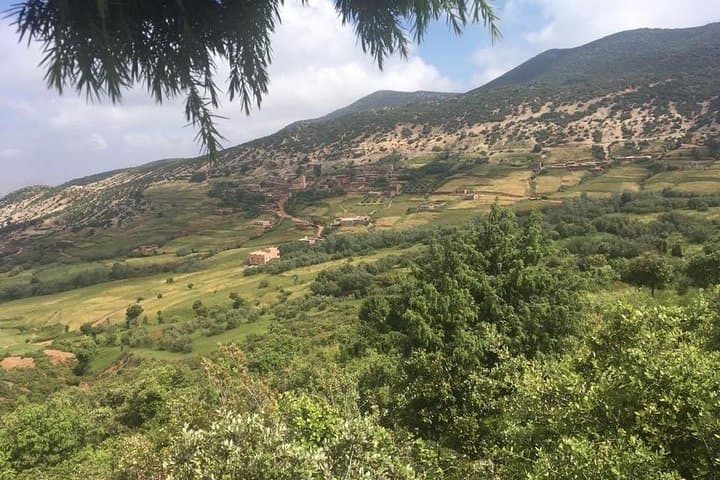
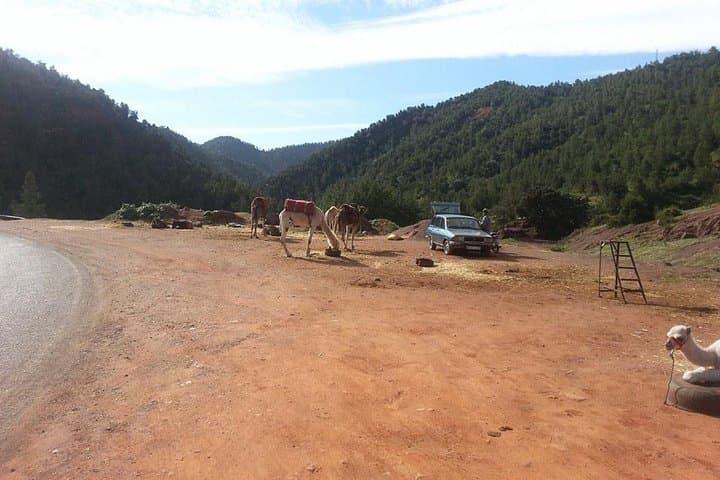
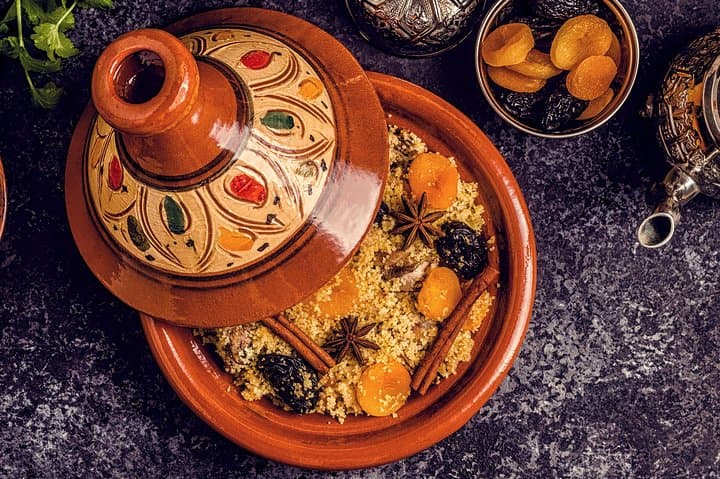
A thin road peels away from Marrakech and the city’s heat gives way to terraced fields and stark, wind-sculpted ridgelines. By mid-morning the minivan threads into the high valleys; goats pick their way across rock bands and the air smells of dust and mint. At Setti Fadma, the guide leads a short, rough trail to waterfalls where water teases the stones and the valley seems to push back at any hurry.
A thin road peels away from Marrakech and the city’s heat gives way to terraced fields and stark, wind-sculpted ridgelines. By mid-morning the minivan threads into the high valleys; goats pick their way across rock bands and the air smells of dust and mint. At Setti Fadma, the guide leads a short, rough trail to waterfalls where water teases the stones and the valley seems to push back at any hurry.
The High Atlas is young, uplifted by tectonic plates and carved by seasonal rivers; villages here trace Berber settlement patterns that predate modern Morocco. Terraced agriculture, stone kasbahs and argan cooperatives tell a cultural story: resilience, barter, and a living craft economy centered on olive, almond and argan harvests.
Travelers can expect a mix of paved driving, village strolls and a roughly one-hour uphill walk over rocky paths with modest steps. Markets—souk days vary by village—offer fresh seasonal produce and local crafts; mint tea is both ritual and welcome. Conservation-minded guides point out erosion-control terraces and small cooperative projects that channel tourism revenue to villages.
Practical notes: start early to avoid midday heat, wear grippy footwear for uneven stone and riverbed sections, and bring at least 1.5 liters of water per person. Cash in small denominations is essential for buying snacks, tipping guides or supporting argan co-ops. Expect 6–8 hours total including transport from Marrakech; restful pauses in a Berber house provide shade and a homemade lunch overlooking the valleys.