THE ADVENTURE COLLECTIVE® · Independent discovery and booking for outdoor travel

Explore Seto’s living ceramic tradition with a focused 90-minute visit to the Seto-gura Museum and a local pottery shop. Learn how centuries of kiln innovation shaped everyday Japanese tableware and see contemporary makers at work.
Explore Seto’s living ceramic tradition with a focused 90-minute visit to the Seto-gura Museum and a local pottery shop. Learn how centuries of kiln innovation shaped everyday Japanese tableware and see contemporary makers at work.
You arrive on a cool tiled street where clay dust still clings to shop thresholds and the low hum of kiln fans threads the air.
Verified experiences and guided adventures in the surrounding area.
Operated by DeepExperience · Seto, Aichi Prefecture
You arrive on a cool tiled street where clay dust still clings to shop thresholds and the low hum of kiln fans threads the air.
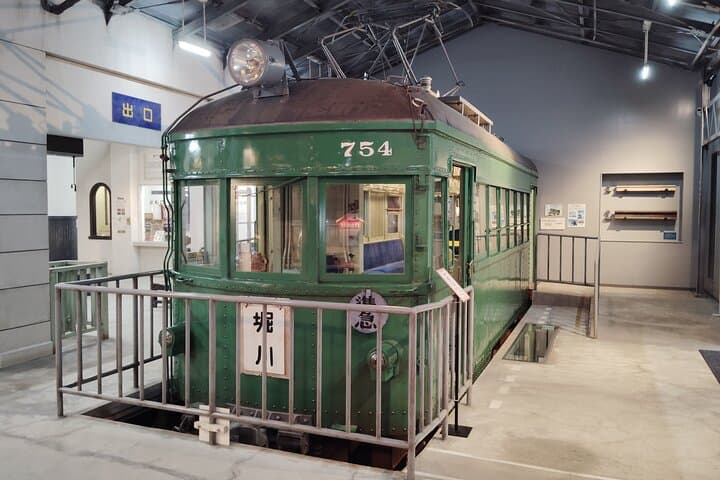
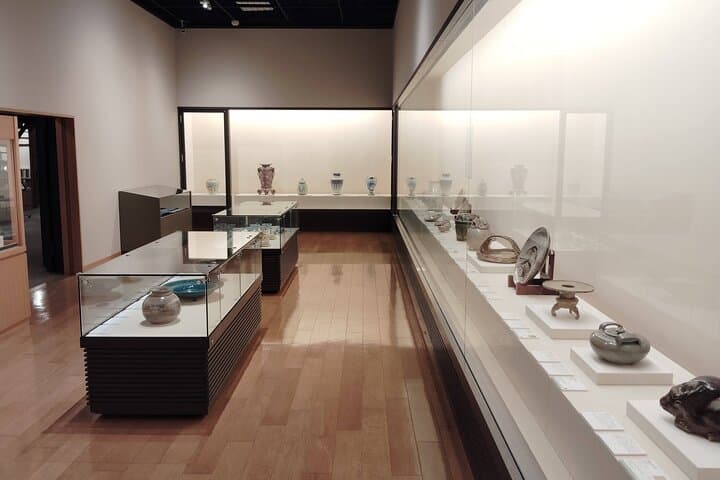
Inside the Seto-gura Museum, rows of vessels—tea bowls, storage jars, everyday plates—stand like practical monuments. The narrative here is hands-on: Seto ware began in the Heian period and expanded into mass production techniques that shaped Japanese domestic life. The museum traces changes in form, firing, and glazing alongside the town’s shift from village kilns to organized workshops.
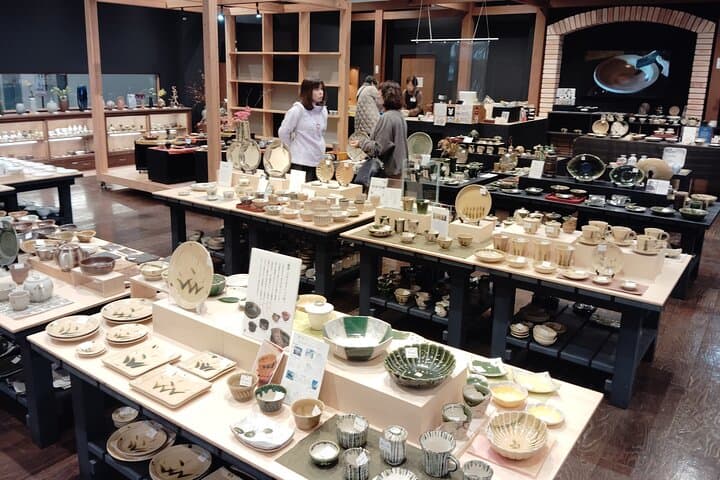
Geologically, Seto sits on workable clays deposited in the Chita Peninsula plain; those local clays and accessible fuel made the area ideal for pottery for centuries. Culturally, Seto’s potters balanced utility and experimentation, creating glazes and kiln designs that allowed goods to travel across the archipelago. Outside the museum, small retail shops sell contemporary wares—functional pieces designed for daily use rather than display.
Practical guidance: the tour runs about 90 minutes and is mostly flat walking inside and around a small museum and shop. Trains connect Seto to Nagoya in under an hour; bring a carry bag if you plan to buy fragile items. Wear comfortable shoes, allow time to browse individual studios, and budget extra for shipping larger purchases. Photographs are usually allowed in public areas but always ask when in a working studio. For a concentrated cultural stopover, this short tour gives clear context and direct contact with the living craft that made Seto famous.
easy.
1–2 hours.
Suitable for most fitness levels; involves short periods of standing and flat, easy walking
The guided visit is approximately 90 minutes, typically split between the Seto-gura Museum and a local pottery shop.
Yes—this tour is rated easy with minimal walking and is appropriate for most ages; strollers and mobility aids can generally be accommodated.
Yes—shops often offer shipping services for fragile items; bring your passport or contact info for customs forms when necessary.
Yes—Seto is reachable by local train from Nagoya Station in roughly 40–60 minutes depending on connections.
Seto grew as a ceramic center from the Heian period onward, becoming a national supplier by standardizing forms and glazes that fit everyday Japanese life.
Local groups work to preserve historic kiln sites and support makers through festivals and museum education; when buying, choose pieces that support working studios to sustain the craft.
DeepExperience operates guided outdoor trips and adventures with an emphasis on safety, stewardship, and memorable experiences.
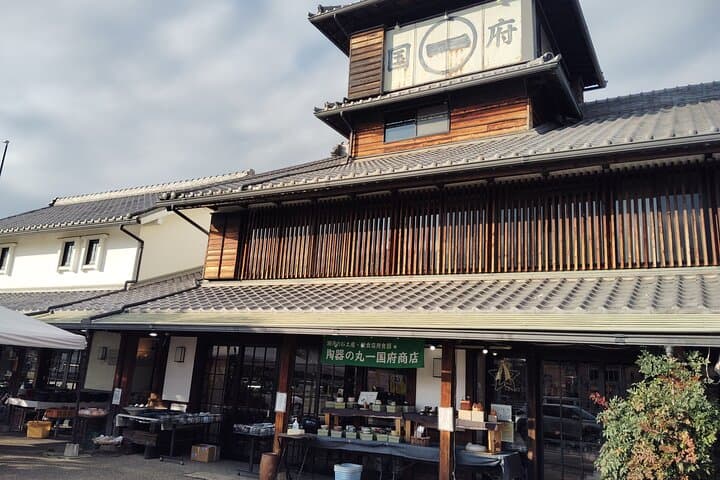
You arrive on a cool tiled street where clay dust still clings to shop thresholds and the low hum of kiln fans threads the air.
You arrive on a cool tiled street where clay dust still clings to shop thresholds and the low hum of kiln fans threads the air.
Inside the Seto-gura Museum, rows of vessels—tea bowls, storage jars, everyday plates—stand like practical monuments. The narrative here is hands-on: Seto ware began in the Heian period and expanded into mass production techniques that shaped Japanese domestic life. The museum traces changes in form, firing, and glazing alongside the town’s shift from village kilns to organized workshops.
Geologically, Seto sits on workable clays deposited in the Chita Peninsula plain; those local clays and accessible fuel made the area ideal for pottery for centuries. Culturally, Seto’s potters balanced utility and experimentation, creating glazes and kiln designs that allowed goods to travel across the archipelago. Outside the museum, small retail shops sell contemporary wares—functional pieces designed for daily use rather than display.
Practical guidance: the tour runs about 90 minutes and is mostly flat walking inside and around a small museum and shop. Trains connect Seto to Nagoya in under an hour; bring a carry bag if you plan to buy fragile items. Wear comfortable shoes, allow time to browse individual studios, and budget extra for shipping larger purchases. Photographs are usually allowed in public areas but always ask when in a working studio. For a concentrated cultural stopover, this short tour gives clear context and direct contact with the living craft that made Seto famous.